
Top Reasons Caribbean Locals Love Fried Plantains
Fried plantains hold a warm place in Caribbean kitchens. They appear at breakfast, as a snack, and beside hearty meals. This post highlights the cultural value and culinary significance of fried plantains. It shines a light on how a simple fruit becomes a Beloved Dish.
Plantains: A Gentle Star in Caribbean Pantries
Plantains are staples across the Caribbean. They are larger and starchier than dessert bananas. When green, they bring gentle firmness. When ripe, they glow with sweetness. Frying transforms both stages into a tasty, comforting dish. Locals choose green or ripe plantains based on what they crave that day. Either way, the method honors the ingredient’s natural character.
Textures That Tell a Story
Texture is the Heart of fried plantains. Green plantains yield a crisp edge with a soft center. Ripe plantains offer a caramelized crust and a tender bite. The contrast makes each mouthful exciting. The aroma of hot oil and fried fruit draws people to the kitchen. This sensory moment connects daily meals to shared memories.
A Culinary Language Across Islands
Across the Caribbean, fried plantains speak a common culinary language. The dish travels from family kitchens to street stalls with ease. It accompanies beans, rice, stews, and fish. At celebrations, it sits beside sweeter treats and savory choices alike. The dish acts as a bridge between humble ingredients and joyful meals. In every island, cooks adapt the method to local tastes and tools, discovering new textures and flavors while staying true to the essence of fried plantains.
Common Preparations: Tostones and Maduros
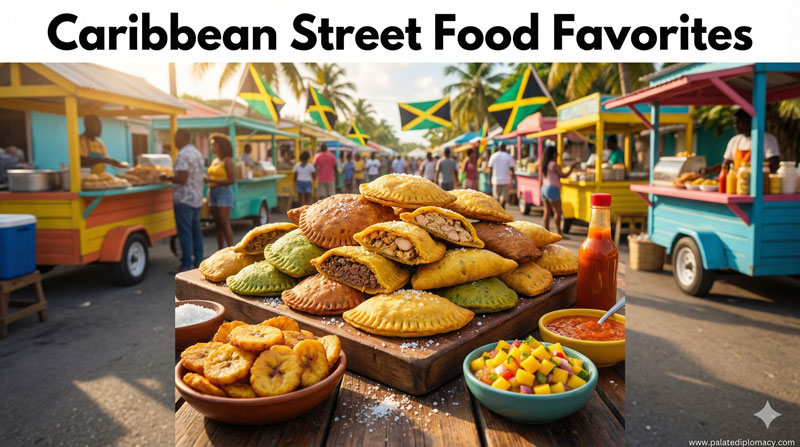
Two classic approaches showcase the versatility of fried plantains. Tostones use green plantains cut into thick rounds. They are fried twice for extra crunch. Maduros use ripe plantains sliced into diagonal pieces. They fry to a soft, caramelized interior. Both styles celebrate the plantain’s natural sweetness and starch. They share a simple elegance that fits into everyday menus and special occasions alike.
Serving Traditions and Everyday Moments
Serving fried plantains is an act of hospitality. In homes, it arrives warm from the skillet, ready to share. In markets, vendors offer fragrant pieces with dips and sauces. The dish pairs beautifully with eggs for a satisfying breakfast. It sits beside stews for a comforting lunch or dinner. The serving ritual is gentle and unhurried, inviting conversation and lingered meals. This calm pace is part of the dish’s cultural appeal.
Pairings and Menu Context
Fried plantains pair with many flavors. They balance salty and acidic notes in beans, stews, and seafood. A squeeze of lime brightens the dish. A touch of salt enhances the natural sweetness. Some enjoy a sprinkle of garlic powder or a light dusting of spice for depth. These simple pairings show how flexible fried plantains are within a Caribbean menu. They adapt to family favorites and modern twists alike.
Practical Tips for Perfect Frying
- Choose the stage of ripeness you prefer: green for a firmer bite or ripe for sweetness.
- Cut size matters: thicker pieces stay soft inside; thinner pieces crisp more easily.
- Maintain the oil temperature around 350°F (175°C) for a steady fry.
- Don’t overcrowd the pan; air and space help achieve even browning.
- Drain briefly on paper towels to keep them crisp rather than soggy.
- Season soon after frying to let salt and spices cling to the surface.
The Joy of Shared Tables
Ultimately, fried plantains celebrate togetherness. The dish invites people to taste, smile, and share. It anchors meals in memory and creates moments of comfort. The beauty lies not only in flavor but in how quickly a simple treat becomes a sign of care. In every bite, locals honor both the plantain’s vitality and the warmth of Caribbean hospitality.
Closing Thoughts: A Dish That Feels Like Home
Fried plantains embody a gentle, enduring charm. They fit a busy day and a leisurely gathering alike. The dish honors tradition while inviting new readers to enjoy a time-honored snack. For Caribbean locals, fried plantains are more than food; they are a daily celebration of flavor, texture, and community.