
Introduction
Ital Stew is a cherished dish in Caribbean kitchens. Locals prize it for its vibrant ingredients, comforting aroma, and the sense of belonging it brings to a table. This stew embodies everyday creativity, seasonal harvests, and the joy of cooking with nature’s best flavors. In this post, we explore the cultural value and culinary significance of Ital Stew. You’ll discover why families prepare it with care, how the flavors tell a story, and why the dish remains a favorite across island communities.
What makes Ital Stew special
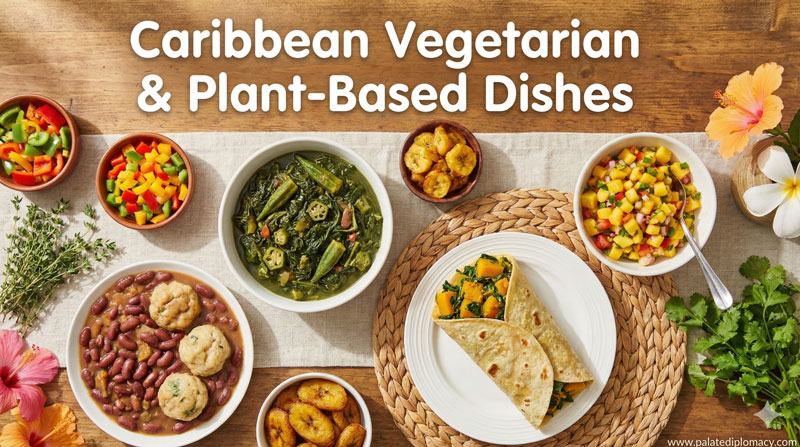
Ital Stew centers on fresh vegetables, legumes, and coconut or plant-based milk. The goal is to celebrate natural taste, not to overpower it with heavy sauces. A bright mix of root vegetables, leafy greens, okra, peppers, and herbs creates a harmonious, nourishing broth. The cooking method—gentle simmering—preserves color, texture, and nutrition. This approach reflects a respectful bond with the land and a tradition of making the most of each ingredient.
Cultural value in everyday life
In many homes, Ital Stew is a weekly ritual. It marks care for family, friends, and neighbors who share a meal. The dish invites conversation, laughter, and connection. It also demonstrates hospitality, a core facet of Caribbean Food Culture. When guests arrive, a hot pot of Ital Stew signals welcome and generosity. The act of cooking becomes a quiet form of storytelling, passing down knowledge about produce, flavor, and seasonality.
Flavor, texture, and technique
The flavor profile blends sweetness from ripe vegetables with bright notes from herbs and lime. Coconut milk adds creaminess without heaviness. The texture range—soft potatoes, tender greens, and crisp peppers—creates a satisfying bite in every spoonful. Simple techniques, such as layering vegetables in stages and finishing with a fresh squeeze of citrus, reveal technique without complexity. The result is a dish that feels vibrant, wholesome, and doable for home cooks.
Regional twists and shared heritage
Across Caribbean islands, Ital Stew adapts to local produce and taste preferences. Some versions lean more on leafy greens, others highlight root vegetables or legumes. Spices and herbs vary with regional gardens, giving each stew a distinct character while keeping the core idea intact: a plant-forward, nourishing stew rooted in the land. This variety showcases the unity and diversity of Caribbean culinary practice.
Serving and social dining
Ital Stew shines when shared with others. It pairs beautifully with simple sides like rice, dumplings, or plantain. The dish invites slower dining, where patience in cooking translates to richer flavors. A communal pot reinforces a sense of togetherness and care. In every serving, you taste not only ingredients but a cultural rhythm that invites gratitude and good conversation.
Sustainability and mindful cooking
Choosing seasonal produce and plant-based ingredients supports sustainable kitchen practice. Ital Stew emphasizes waste reduction, precise use of leftovers, and respect for fresh flavors. The dish demonstrates how everyday cooking can be both delicious and mindful. This focus resonates with many cooks who value balance, nourishment, and responsibility toward the land.
Conclusion: A dish with heart and place
Ital Stew is more than a meal. It is a daily celebration of plant-based abundance, skillful technique, and shared hospitality. The recipe travels through kitchens with warmth, adapting to each home while preserving its core spirit: nourishment, color, and community. For Caribbean locals, Ital Stew remains a touchstone of culinary pride and cultural joy, inviting us all to savor the beauty of simple ingredients brought to life with care.