
Introduction
Top Reasons Caribbean Locals Love Ital Stew invite readers into a kitchen full of color, aroma, and heart. This dish Stands Out in Caribbean cuisine for its plant-forward warmth and its everyday joy. It celebrates fresh produce, steady simmering, and generous bowls shared among family and neighbors. The stew shines with bright vegetables, gentle spices, and a creamy depth that comes from coconut milk or seasoned water. It feels both familiar and adventurous, a comforting staple that invites you to slow down and savor.
What is Ital Stew?
Ital Stew is a hearty, plant-based stew rooted in vibrant Caribbean cooking. It centers on fresh vegetables, roots, beans, and leafy greens. The aim is simple: let natural flavors speak. You’ll often find sweet potatoes, yams, plantains, cassava, and squash softening with every simmer. The broth stays bright with herbs like thyme and scallions, and a touch of coconut milk adds a mellow richness. Spices and peppers wake the dish without overpowering it. The result is a nourishing pot that feels sunny and satisfying in every bite.
Core Ingredients and Techniques
The heart of Ital Stew lies in quality produce and careful technique. Start with aromatic basics: onions, garlic, and a bit of ginger for warmth. Add sturdy vegetables first, then softer ones to keep a pleasing texture. Include legumes or beans for protein and heartiness. Seasonal greens, such as callaloo or spinach, brighten the mix. Flavor comes from thyme, pimento berries, and a light salt balance. A splash of coconut milk or a clear vegetable broth keeps the stew silky. Simmer slowly to merge flavors while preserving color and bite.
Cultural Significance and Social Value
Caribbean locals often make Ital Stew as a weekly ritual, a meal that anchors family time and friendly gatherings. The dish travels from kitchen to table with care, turning cooking into a shared act. It invites helpers to chop, stir, and taste, building a sense of community. The stew also reflects a practical ethic: it uses locally grown produce, minimizes waste, and adapts to what is available. In markets and homes, the aroma draws people in, sparking conversations about ingredients, method, and favorites. In this way, Ital Stew becomes a living record of taste, memory, and togetherness.
Regional Variations and Serving
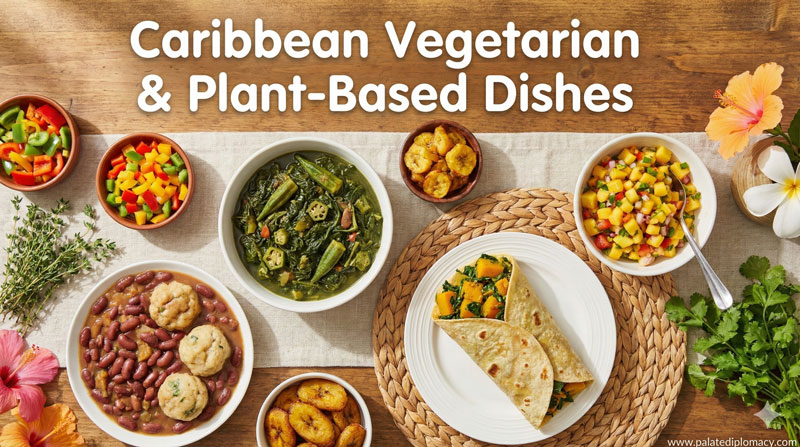
Across the Caribbean, Ital Stew shows welcoming variety. In some kitchens, coconut milk adds a mellow sweetness and creaminess. In others, the broth leans lighter, relying on bright herbs and pepper heat. You may see different root vegetables or greens appear, depending on what grows nearby. The dish is commonly served with sides that emphasize balance—steamed rice, fried plantains, or simple dumplings—creating a complete, colorful plate. Each variation honors local produce while keeping the core idea: a plant-forward, comforting stew that nourishes body and spirit.
How to Cook Ital Stew at Home
Begin by heating a pot with a small amount of oil. Sauté onions, garlic, and a hint of ginger until fragrant. Add sturdier vegetables first, followed by softer ones. Stir in greens, beans, and your chosen liquid—coconut milk for richness or water for a lighter tone. Season with thyme, scallions, and pimento or allspice to taste. Simmer gently until vegetables are tender and flavors meld. Finish with a quick taste and adjust salt or heat. Serve hot, with sides that complement the stew’s gentle depth.
Pairings and Presentation
Ital Stew shines in a bright bowl, its colors reflecting fresh produce. Pair it with fluffy rice or brown rice for substance, and add a side of fried plantains or a light dumpling. A wedge of lime or a scatter of chopped herbs can lift the aroma just before serving. The dish’s natural hues—orange sweet potatoes, green greens, golden potatotes—make a compelling, inviting presentation that speaks to the kitchen’s craft.
Conclusion
Ital Stew stands as a vivid testament to Caribbean culinary culture. It blends seasonal produce, respectful techniques, and generous hospitality into a single, comforting dish. The result is a meal that feels both rooted in home and wide in its appeal—something you can share with friends and savor as a point of pride in the kitchen. In every simmer, it celebrates flavor, community, and the beauty of plant-forward cooking.