
What is Vegetable Roti?
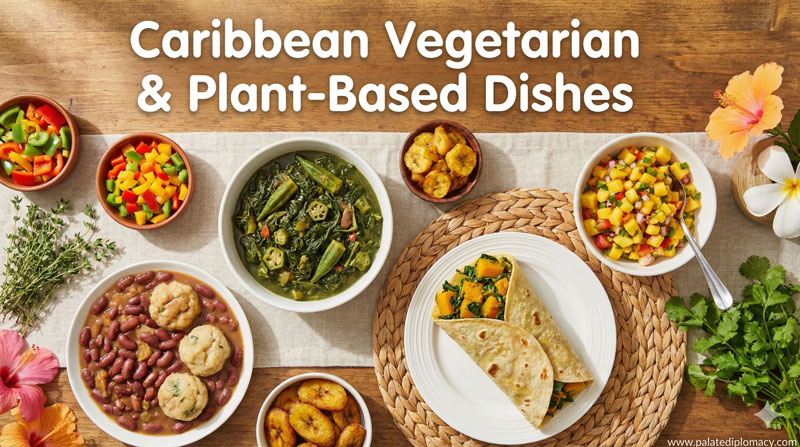
Vegetable roti is a soft, round bread filled with fragrant vegetables. The bread is rolled thin, cooked on a hot surface, and then served with a savory vegetable curry. It is known for its balance of warm spices, bright vegetables, and a comforting, chewy pastry. In Caribbean kitchens, this dish shines on weeknights and special occasions alike.
Flavor and Texture
Vegetable roti offers a lively arome from spices like curry, cumin, and turmeric. The filling typically features potatoes, peas, carrots, and peppers, all cooked until tender and glossy. The bread brings a gentle, fluffy contrast to the savory vegetables. Each bite blends smooth pastry and chunky vegetables, with a hint of heat and a touch of creaminess from coconut milk or yogurt in some versions.
The Making Process
First, a simple dough forms with flour, water, salt, and a splash of oil. The dough rests briefly, then each ball becomes a thin circle. Next, a curry of vegetables simmers with spices until the vegetables are just tender. The filling is placed on the dough circle, which is folded and rolled into a convenient parcel. Finally, the roti cooks on a hot griddle, turning golden with lightly charred edges. It is ready when the bread is soft and the vegetables are rich in sauce.
Cultural Significance in the Caribbean
Vegetable roti is a beloved staple in many Caribbean households. It brings families to the table with warmth and care. The dish is flexible, welcoming varying vegetables and spice levels to suit the season or taste. It plays a central role in everyday meals as well as festive gatherings, where sharing a few rotis fosters connection. Its gentle complexity invites friends and neighbors to taste and talk about flavors, techniques, and memories. The dish celebrates home cooking, generosity, and the joy of good, nourishing food.
Regional Variations
Across the Caribbean, you’ll find small twists that reflect local preferences. In some places, the filling leans on chickpeas or spinach, while others favor potato curry with sweet peppers. The bread may be slightly thicker or thinner, and the use of coconut milk can vary. Chutneys, pepper sauces, or fresh cucumber relish often accompany roti, adding brightness and spice. These variations honor regional palate preferences while keeping the core idea intact: a hand-held meal that harmonizes bread and vegetables.
Pairings and Occasions
Vegetable roti pairs well with cooling yogurt or a light chutney for balance. A bright cucumber salad can refresh the palate between bites. For drinks, a citrus-infused water or a mild, refreshing juice works nicely. This dish shines at family dinners, casual lunches, and neighborhood gatherings. It also makes a satisfying option for busy days when you want A Complete, tasty meal with simple ingredients.
Quick Tips to Make Perfect Vegetable Roti
- Let the dough rest for at least 15 minutes to improve texture.
- Keep the rolling surface lightly floured to prevent sticking.
- Don’t overfill the roti; a moderate amount keeps the bread tender.
- Roll evenly to avoid thick edges that cook unevenly.
- Cook on medium-high heat and press gently for even contact with the surface.
- Finish with a light brush of oil for a soft sheen and extra flavor.
Final Thoughts
Vegetable roti stands out for its comforting texture and bright, homey flavors. It embodies the Caribbean love of fresh vegetables, balanced spices, and thoughtful preparation. With its approachable method and adaptable fillings, it invites cooks of all levels to celebrate the beauty of everyday cooking. This dish remains a warm, inviting centerpiece in kitchens and on tables across the region.