
What Makes Contemporary Island Cuisine So Special in Caribbean Cuisine
Caribbean island cuisine dazzles with color, aroma, and rhythm. Contemporary island cuisine blends vivid local flavors with modern techniques, creating dishes that feel both familiar and new. It honors what grows in the land and what is caught from the sea, while inviting fresh ideas and approachable plating. The result is a culinary language that speaks to both longtime island residents and curious guests. This post explores the cultural value and culinary significance of this dynamic style.
Understanding Contemporary Island Cuisine in Caribbean Context
Contemporary island cuisine in the Caribbean stands at a lively crossroads. It centers on ingredients that thrive in tropical climates—tender herbs, bright citrus, rich coconut, and a lively assortment of root vegetables—yet it also embraces creative methods. Chefs blend traditional flavors with modern techniques, such as precise temperature control, quick pickling, or refined plating. The goal is clear: to highlight local produce, honor time-tested methods, and present the dish in a way that feels inviting today. In this approach, cooking becomes a bridge between the past and the present, a way to share a sense of place with every bite. The outcome is food that tastes deeply Caribbean while still speaking to contemporary tastes and dining sensibilities. In short, it is cultural expression you can savor.
Flavor Philosophy: Freshness, Balance, and Brightness
At the heart of contemporary island cuisine is a commitment to freshness. Chefs seek ingredients at their peak and balance bold flavors with subtle notes. Expect citrus brightness, creamy coconut, warm spices, and a touch of heat that dances across the palate. Fresh herbs, ripe fruits, and sea-salt seasoning come together in ways that feel bright and clean. The philosophy favors contrast: crisp textures beside soft, silky sauces; a smoky note beside a tangy finish. Clear transitions guide the palate from one moment to the next, letting each element shine. This thoughtful balance makes dishes feel honest and vibrant, a true reflection of the island environment.
Core Ingredients and Techniques
Local produce is the backbone of these dishes. You’ll encounter plantain, breadfruit, yams, callaloo greens, okra, and a spectrum of peppers that lend warmth and character. Proteins come from the sea and land alike, prepared in ways that emphasize natural flavors. Techniques range from wood-fire grilling and gentle smoking to quick braises and bright, citrus-driven reductions. Coconut milk or cream adds silk and depth, while spices such as thyme, allspice, and scotch bonnet pepper provide warmth and liveliness. The cooking often stays simple at its core, allowing craftsmanship and ingredient quality to carry the dish. The result is a menu of textures and tones that feels both comforting and inventive.
The Plate and Dining Experience
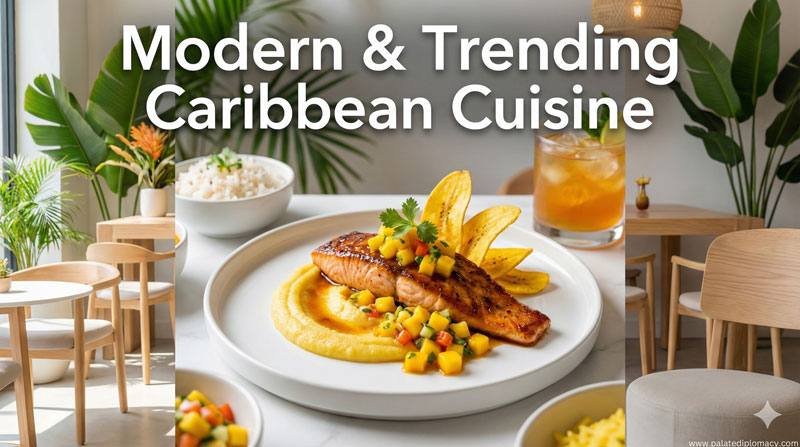
Presentation mirrors the island’s joyful spirit. Dishes are plated with care, yet retain a casual, welcoming feel. Colorful vegetables, glossy sauces, and crisp accents create an appetizing, visible harmony. Plating emphasizes accessibility: a shared plate or a set of bowls that invite conversation and discovery. The dining experience often pairs well with the social rhythm of island life—laughter, music, and the clink of glasses—making food a social event as much as a meal. In this context, the plate becomes a story, inviting guests to explore layers of flavor, texture, and scent with every bite.
Cultural Value: Community, Craft, and Continuity
Contemporary island cuisine holds significant cultural value by strengthening community and celebrating craft. Market days, home kitchens, and neighborhood eateries form a network where knowledge is shared across generations. Recipes pass from grandmothers to grandsons, from market cooks to aspiring chefs, each transfer preserving technique and memory. The food scene also thrives on collaboration: farmers, fishers, foragers, and cooks join in a living cycle that sustains local livelihoods. This shared practice creates a sense of belonging and pride. Moreover, the style invites experimentation while honoring tradition, allowing cooks to express personal identity through flavor and technique. The result is cuisine that feels rooted, yet open to influenced and new ideas.
Looking Ahead: The Future of Caribbean Island Cuisine
The future of Caribbean island cuisine lies in continued respect for local ingredients and open collaboration. Chefs will likely expand the palette of available produce by nurturing small farms and sustainable fisheries. Innovation may come through new pairings, seasonal menus, and thoughtful storytelling around each dish. Digital platforms can help chefs reach audiences who crave authentic flavors and well-crafted plates, while still prioritizing accessibility and hospitality. As culinary voices diversify, the cuisine will reflect a broader range of island experiences, all while preserving the kindness and warmth that define Caribbean Food Culture. Above all, contemporary island cuisine will remain a celebration of place, craft, and communal dining—an inviting invitation to savor the beauty of Caribbean flavors and the stories they tell.