
Top Reasons Ethiopians Love Ethiopian Sweet Pastries
Ethiopian Sweet Pastries enrich daily life with warmth and texture. They connect moments of kindness to everyday meals. The dish blends care, craft, and cultural memory in every bite. People savor the balance of sweetness, spice, and nutty aroma. This introduction invites you to taste a piece of Ethiopian food culture through pastry.
A Celebration of Texture and Aroma
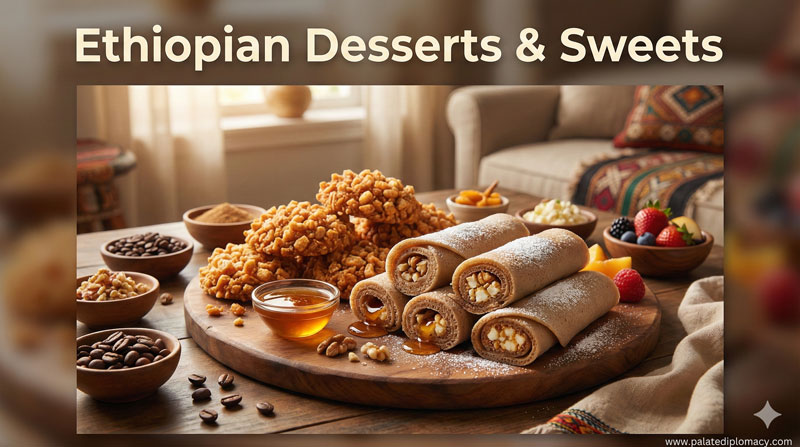
These pastries often feature delicate layers, a gentle crisp, and a soft center. Toasted nuts add a nutty depth, while honey or sugar glaze provides a kiss of sweetness. Spices like cardamom or cinnamon lift the aroma and brighten the finish. The result is a dance of textures: flaky edges, a tender core, and a light glaze that glistens in the light. Each bite carries careful technique and patient baking. The fragrance alone invites conversation and curiosity.
Hospitality in Every Bite
in Ethiopian culture, food is a sign of welcome. Sweet pastries appear when guests arrive, during family gatherings, and at friendly market chats. Sharing pastries expresses respect and generosity. Hosts present pastries with pride, offering a moment of calm and shared pleasure. Guests respond with gratitude, and small talk flows easily around the plate. The pastry becomes a bridge between people, a ritual of kindness.
Coffee and Pastry: A Harmonious Pairing
The Ethiopian coffee ceremony is a festival of scent and fellowship. Sweet pastries pair beautifully with bold, aromatic coffee. The contrast between strong coffee and a light, honeyed pastry creates a balanced experience. The moment invites pause, conversation, and careful tasting. Together, they highlight how flavors support one another and how tradition can feel immediate and welcoming.
Everyday Moments and Special Occasions
Sweet pastries appear in markets and bakeries, where neighbors greet one another with a shared scent. They brighten ordinary days and mark celebrations. Birthdays, engagements, and religious festivals gain a sweeter note when pastries join the table. In every setting, the pastry adds a gentle sense of ceremony without beingformal. It is a reliable companion for both quiet afternoons and festive gatherings.
Craft and Family Tradition
Baking Ethiopian Sweet Pastries is often a family craft. Recipes pass from one generation to the next with care. Bakers teach youngsters How to roll dough, layer pastry, and apply glaze with even hands. The methods honor patience and precision. Each batch reflects a family’s memory and pride. The practice keeps cultural knowledge alive and accessible.
Regional Flavor Notes
Across regions, pastry styles vary. Some versions lean into sesame seeds, others highlight pistachio or almond. Glazes range from light honey coats to richer sugar glazes. Spices may shift with family preferences, giving each version a distinct character. Yet all share a common heart: a welcoming treat that honors craft and community.
Present-Day Expressions
Modern bakeries and cafes softly remix Ethiopian Sweet Pastries. Chefs explore new shapes, fillings, and presentations while preserving core flavors. The result is a respectful blend of tradition and invention. Diners appreciate both the familiar comfort and the occasional surprise in each pastry.
In Closing
Top Reasons Ethiopians Love Ethiopian Sweet Pastries stem from aroma, texture, and hospitality. The pastries celebrate community, craft, and daily joy. They offer a tangible link between home kitchens, markets, and shared tables. When you taste them, you experience a small, sweet portal into Ethiopian food culture.