
Welcome to the Top Reasons Ethiopians Love Injera
Injera sits at the center of Ethiopian meals. It is a soft, sour flatbread made from teff flour. This bread is more than food; it is culture in motion. It shapes How Families gather, share, and celebrate good cooking. In this post, we explore why Ethiopians treasure injera. We focus on cultural value and culinary significance. We keep the tone welcoming, clear, and respectful.
Reason 1: A Table That Feels Like Home
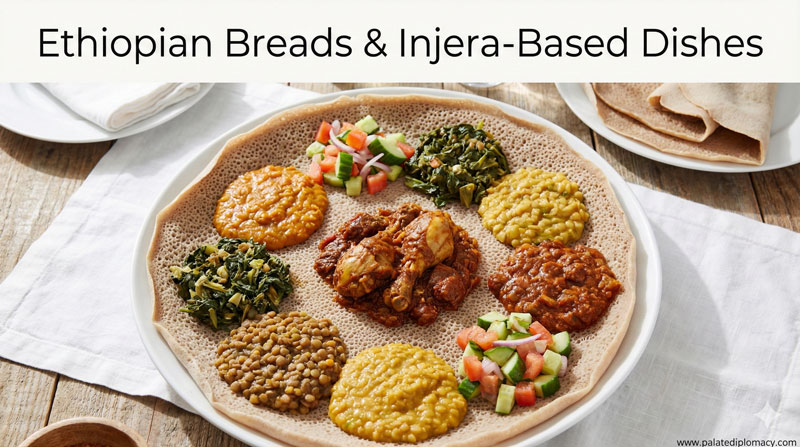
Injera doubles as a plate and a meal. People lay it out on a low table or a woven mat. Dishes of wat, shiro, or vegetables sit on top. Everyone uses pieces of injera to scoop up bites. This practice invites conversation and care. The table becomes a shared canvas, and everyone belongs.
Reason 2: Texture and Flavor That Tell a Story
Injera has a soft, bubbly surface and a gentle tang. The sour note comes from fermentation, giving depth to every bite. The texture is spongy, yet sturdy enough to hold stews. Each bite carries a mild sweetness and a bright aroma. The flavor invites you to try another taste, and another.
Reason 3: Fermentation, Teff, and a Grain with History
Teff, the tiny grain, is the star ingredient. It gives injera Its Unique color and nutrition. The flour is mixed with water and left to ferment. This slow process creates the lactic tang and the airy holes. Fermentation connects daily cooking to generations of practice. Ethiopian cooks refine the batter with care, season by season.
Reason 4: Versatility on the Plate
Injera adapts to many dishes. It pairs with spicy stews, milder vegetables, and hearty lentils. It soaks up sauces, so flavors blend naturally. You can wrap small bites or tear a corner to scoop. The bread never overwhelms the food; it complements it. That balance makes injera a versatile culinary partner.
Reason 5: Gursha and Shared Nourishment
Gursha is the act of feeding someone with injera or other bites. It is a warm gesture that signals care and hospitality. Sharing a plate of injera strengthens bonds. This simple custom elevates meals into moments of connection. It teaches generosity and attentiveness at the heart of service.
Reason 6: Everyday Comfort and Special Moments
Injera fits into daily meals and festive occasions alike. It travels from home kitchens to markets, gatherings, and celebrations. The bread carries a sense of everyday comfort. Yet it also shines when guests arrive, adding a touch of grace to every table. Its presence makes meals feel welcoming and complete.
Reason 7: Regional Variations and Local Pride
Ethiopia hosts many regional styles of injera. Some variations use different grain blends or modest color shifts. Local kitchens celebrate these differences with pride. Yet the shared joy remains: injera unites diverse flavors under one common bread. This regional diversity enriches the national cooking culture.
How to Experience Injera at Home
Choose genuine teff flour when you can. Mix with water and a pinch of salt, then let the batter ferment. Cook on a hot, wide griddle until bubbles form and the surface dries just right. Serve with a selection of stews and vegetables. Tear off a piece of injera to scoop, and enjoy the ritual of sharing. You will taste a culture in every bite.
Conclusion: The Enduring Love for Injera
Injera is a thread that weaves culture, family, and flavor together. Its role as a plate, a palate, and a symbol of hospitality shines in everyday meals. The dish invites warmth, conversation, and togetherness. By celebrating injera, we honor a rich culinary tradition and the people who keep it alive.