
Top Reasons Ethiopians Love Sambusa
Sambusa is more than a snack. It is a small celebration of texture, aroma, and shared moments. Ethiopians treasure its balance of light pastry and bold fillings. This post explores why sambusa holds a special place in Ethiopian cooking. It highlights cultural value and culinary significance with warmth and clarity.
Texture and Dough: The Triangle of Crispness
The pastry starts with a simple dough. Flour, water, a pinch of salt, and a touch of oil come together. The dough rests, then is rolled very thin. It lands in hot oil and puffs into a crisp shell. The triangle shape helps edges stay invitingly crunchy. The result is a light bite that contrasts with a soft, flavorful center. The mouthfeel invites another bite, and another, in a casual rhythm.
Filling Traditions: Meat, Lentils, and Veggies
Filling options honor variety. A classic meat filling blends minced beef or lamb with onions, garlic, and warming spices. Some kitchens add berbere for a gentle kick. Lentil versions bring comfort with aromatic onions, cumin, and herbs. Vegetable fillings mix peas or potatoes with fresh herbs. Each filling tells a story of local markets and family preferences. The common thread is balance: a savory core wrapped in a crisp veil.
Social Heart: Sambusa in Gatherings and Markets
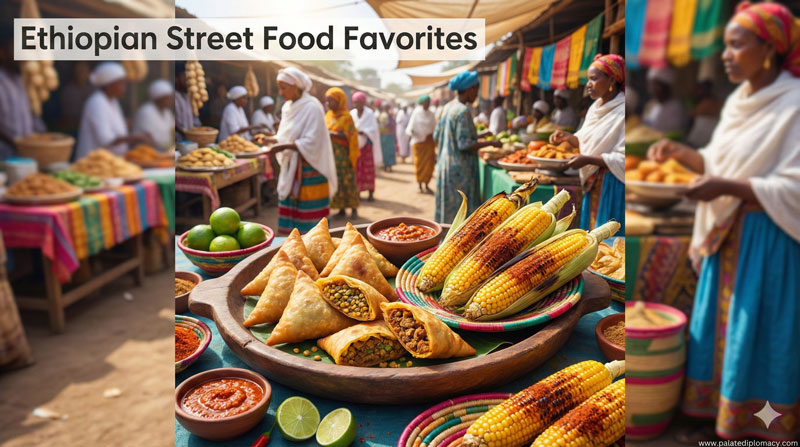
Sambusa shines in social spaces. It appears in busy market stalls, roadside cafés, and family gatherings. It often pairs with the ritual of coffee or tea, inviting conversation and sharing. In festivals and everyday moments, sambusa brings people together. Its presence signals welcome, hospitality, and care. The dish becomes a small bridge that connects neighbors and friends.
Craft and Skill: Making Sambusa by Hand
The beauty of sambusa grows from careful technique. Home cooks craft delicate wrappers and seal each triangular edge with a simple paste. Street vendors master quick frying to achieve a uniform golden color. This craft supports evenings of practice, family memory, and pride in a job well done. The skill is approachable, yet it rewards patience and pride in workmanship.
Regional Twists: Local Flavors, Shared Joy
Across Ethiopia, sambusa carries regional twists. Some kitchens favor sesame on the finished pastry for a nutty sheen. Others blend regional herbs into the filling for bright, fresh notes. A few places emphasize lighter fillings during warm seasons, while richer blends appear in cooler months. These variations celebrate local harvests and tastes while preserving the core of the dish: a triangular, tasty pocket of warmth.
Pairings and Serving: Tea, Coffee, and More
Sambusa pairs beautifully with tea or coffee, helping balance the drink’s aromatic strength. A simple tomato sauce or a light chili chutney can amplify the filling’s personality. Fresh lemon or lime wedges brighten the palate between bites. Serving sambusa with a small salad adds freshness and contrast. These pairings enhance the dish’s everyday elegance.
Try It at Home: A Gentle Guide to the Experience
If you want to taste the culture at Home, start with a basic dough and a simple filling. Roll very thin sheets, cut into triangles, and seal edges with a paste. Fry until crisp and golden. For filling, sauté onions, garlic, and spices, then add your choice of minced meat or lentils. Let flavors mingle, then wrap and fry. The result mirrors the spirit of Ethiopian markets and family kitchens—warm, welcoming, and flavorful.
Conclusion: A Dish That Celebrates Culture and Cuisine
Sambusa embodies flavor, craft, and community. Its crisp pastry, beloved fillings, and social moments create a timeless thread in Ethiopian food culture. The dish invites hands to work, minds to share, and mouths to smile. In every bite, sambusa celebrates daily life, hospitality, and the joy of good food enjoyed together.