
Top Reasons Ethiopians Love Vegan Ethiopian Bowls
Vegan Ethiopian bowls celebrate a friendship between tradition and taste. They bring together humble pantry staples, bright spices, and the inviting ritual of sharing. In every bowl, you taste a region’s love for fresh vegetables, legume sustenance, and the sour depth of injera. This dish is more than food; it is a daily expression of care, hospitality, and memorable meals with family and friends.
Injera as the Edible Plate and Guide
Injera, the sourflatbread made from teff, is the natural foundation of these bowls. It acts as an edible plate and a bread-like scoop. The bowl’s ingredients rise on top of this soft, spongy base. As people tear pieces from the injera and wrap them around beans, lentils, and vegetables, they create a gentle, interactive dining rhythm. The texture of injera bridges warm stews with crisp vegetables, tying the dish together.
A Palette of Legumes and Vegetables
A core appeal lies in the variety of plant-based stars. Lentils (misir wot) offer a hearty, creamy bite. Chickpeas and chickpea flour sauces (shiro) add velvet smoothness. Split peas, beans, potatoes, cabbage, carrots, and spinach provide color and contrast. Each component contributes fiber, protein, and vibrant flavor. The bowl becomes a living mosaic of textures, from silky to chunky, always balanced and satisfying.
Spice, Aroma, and Balance
A well-made vegan Ethiopian bowl sings with spice. Berbere, garlic, onions, ginger, and turmeric create warmth and depth. The spices are layered, not overpowering, so you taste sweetness here, brightness there, and a light heat elsewhere. The aromas rise as the bowls simmer, inviting people to gather, share, and savor. This balance between heat and comfort is a hallmark of Ethiopian Vegetarian cooking.
Color as a Cultural Language
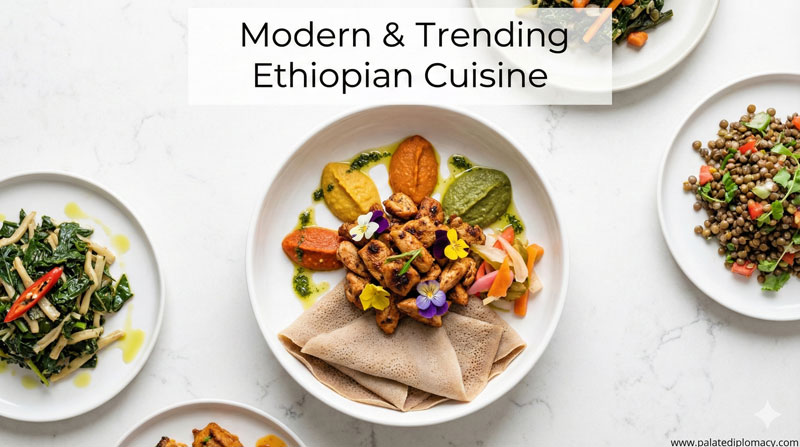
Colors matter in these bowls. Deep reds from tomatoes and peppers mingle with greens from spinach or collard greens. Golden potatoes or carrots glow beside beige chickpeas and brown lentils. The vivid presentation makes the dish inviting, and the eye naturally guides a gentle, mealtime pace. Visual variety supports a sense of abundance and care at every table.
Simplicity, Accessibility, and Sustainability
The ingredients are approachable. Lentils, beans, lentils, vegetables, and injera are pantry-friendly. Vegan bowls emphasize plant-based cooking that is nourishing and approachable. Preparation remains practical for everyday meals, yet the result feels special enough for gatherings. The approach also embraces sustainable cooking by highlighting legumes and vegetables that thrive with simple seasonings.
Hospitality, Sharing, and the Social Meal
Hospitality shines in Ethiopian food culture. Meals arrive at the table as a shared experience. A bowl is passed, ingredients are added, and everyone tastes together. This practice reinforces connection and gratitude. The vegan bowl aligns perfectly with this spirit, inviting guests to participate in assembling their own bites and to savor the moment of communal eating.
Regional Flavors and Seasonal Flair
Across regions, bowls reflect local produce and seasonal harvests. Some versions emphasize green leafy vegetables, others showcase root vegetables seasoned with lemon or lime juice. Fresh herbs, such as cilantro or berbere-tinged oil, may brighten the dish. This regional and seasonal variety keeps the bowl lively and deeply rooted in local foodways.
How to Enjoy and Share a Vegan Ethiopian Bowl
Begin with injera on the bottom. Layer softened lentils, simmered vegetables, and a smear of shiro or kik wot. Add a pinch of spice, lemon juice, and fresh herbs. Tear pieces of injera to scoop, wrap, and dip. Eat slowly, appreciating aroma, texture, and color. Share the bowl with others, and notice how conversation and appetite flow together.
A Taste of Culture and Culinary Significance
Vegan Ethiopian bowls capture a culture that loves thoughtful preparation, balance, and generosity. They honor plant-based abundance while preserving the region’s distinctive spice philosophy. The bowls stand as a welcoming expression of everyday life, celebrating nourishment, craft, and community. In this way, the dish remains a beautiful, enduring part of Ethiopian food culture.