
Introduction
Top Reasons Ethiopians Love Vegan Ethiopian Bowls highlights a dish that brings color, aroma, and balance to the table. This bowl blends bright vegetables, protein-rich pulses, and the soft tang of teff-based elements. It is a celebration of everyday cooking that feels both timeless and fresh. Your senses meet in a plate that invites sharing, savor, and appreciation for careful technique and seasonal produce.
A Dish Rooted in Shared Meals
in Ethiopian homes, meals are often a warm, communal moment. The Vegan Ethiopian Bowl mirrors that spirit, offering a generous, ingredient-forward experience. First, portions are generous; next, everyone gathers around a single spread of flavors. This setup makes the bowl more than sustenance—it becomes a social ritual that honors hospitality and care.
Core Ingredients and Their Cultural Significance
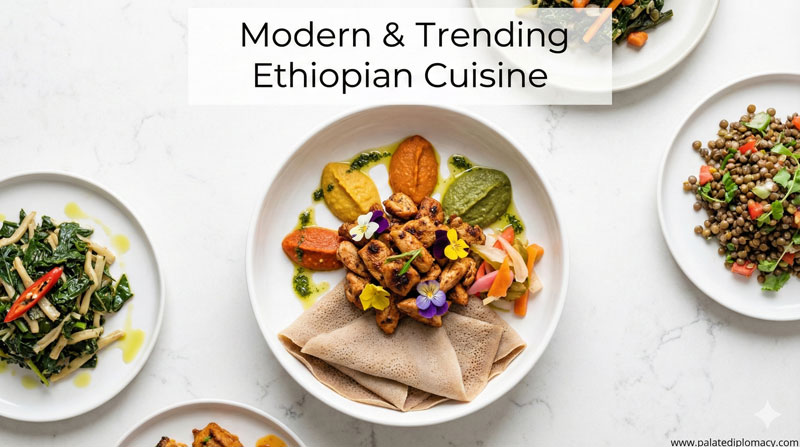
The bowl centers on plant-based staples that Ethiopians have celebrated for generations. Lentils and chickpeas provide hearty protein and a comforting depth. Fresh vegetables—carrots, cabbage, greens, tomatoes, and peppers—bring brightness and balance. Teff-based elements offer a gentle tartness and a nutty backdrop that ties the dish to its origins. Together, these components reflect a culinary philosophy that favors wholesome, vibrant food.
Injera: The Plate, the Utensil, and the Tradition
Injera often anchors the experience. This spongy, sour-fermented bread can be placed on the plate or shaped into a base for the bowl. It soaks up sauces without becoming overwhelmed, creating a harmonious texture. The tang of injera complements the spices and lentils, elevating every bite. Practically, injera also acts as a natural utensil, guiding sauces to the mouth with ease.
Spice and Harmony: Berbere, Blends, and Balance
Flavor in these bowls tends to be bright and balanced. Berbere—a blend of chili peppers, garlic, ginger, and aromatic spices—adds warmth and depth. Other blends, such as chili and spice pastes, contribute tangy and smoky notes. The goal is a clear, vibrant palate where vegetables shine and pulses provide comfort. In vegan bowls, spices do the heavy lifting, marrying heat with sweetness and a touch of earth.
Textures and Techniques: Crafting the Bowl
Texture plays a starring role. Tender lentils contrast with crisp vegetables, while smooth, creamy sauces mingle with toothsome grains. The technique is gentle: soak and simmer pulses to release their sweetness, chop vegetables for bite, and layer flavors to ensure every mouthful carries multiple notes. Fresh herbs or citrus zest can finish the dish with a bright lift, enhancing aroma and taste without overpowering the core ingredients.
Regional Flair and Seasonal Pride
Different regions bring subtle twists to the Vegan Ethiopian Bowl. Some versions showcase cabbage and carrots in a slightly sweet glaze; others lean into greens that wilt softly alongside bright tomatoes. Seasonal produce—summer peppers, autumn greens, or citrusy hints in herbs—keeps the bowls lively and relevant year-round. This flexibility celebrates local harvests while honoring traditional flavor profiles.
The Social Moment: Hospitality in a Bowl
Beyond the plate, the bowl embodies a spirit of welcome. Sharing a richly prepared bowl invites conversation, gratitude, and mutual appreciation. The act of serving and tasting together strengthens connections, making the meal a memorable social moment. In this way, the dish supports a culture that values generosity and careful hosting.
A Friendly Invitation to Enjoy at Home
If you are new to Ethiopian flavors, start with a simple arrangement: a base of injera, a bed of lentil or chickpea stew, and a colorful array of vegetables on top. First, season the pulses carefully; next, sauté vegetables to keep their brightness; finally, assemble and finish with a fresh herb sprinkle and a squeeze of lemon or lime. This approach preserves the dish’s core balance while inviting home cooks to experiment with local produce and personal preferences.
Conclusion
Vegan Ethiopian Bowls offer a vivid glimpse into Ethiopian culinary values: harmony between plant-forward ingredients, respect for technique, and joy in shared meals. They celebrate teff, lentils, berbere, and injera in a way that honors tradition while inviting contemporary home cooks to participate. With every bowl, you taste care, culture, and the enduring beauty of Ethiopian food.