
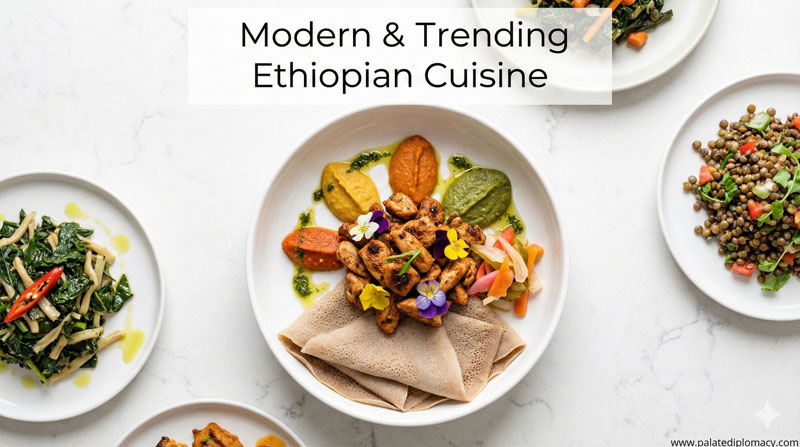
Why Fusion Injera Dishes Is One of Ethiopia’s Most Loved Dishes
Fusion injera dishes blend a time-honored Ethiopian staple with new flavors and ideas. This approach honors tradition while inviting curiosity. The result is a table that feels both comforting and adventurous. In many homes and eateries, fusion injera is a celebration of skill, balance, and hospitality. The dish serves as a bridge between familiar textures and exciting tastes. It invites everyone to explore how ingredients meet technique on a single, shared flatbread.
Injera itself is the star of the show. When chefs introduce fusion elements, they do so with care. They protect the sour, airy character of injera while adding compatible layers of flavor. The effect is a dish that tastes like home, yet sparks new conversations at the table. People gather to witness the evolution of a beloved staple. The experience feels inclusive, joyful, and deeply respectful of its origins. Through fusion, the kitchen honors both memory and invention.
What Makes Injera the Foundation of Ethiopian Flavor
Injera is more than bread. It is a living canvas that carries texture, aroma, and history. Made from teff flour, the batter ferments slowly, creating a delicate tang and a soft, porous lattice. The unique holes in injera trap sauces and stews in a satisfying way. This makes every bite a harmony of chew and soak. The flatbread’s aroma signals fermentation’s gentle work, a sign of patience and care in the kitchen.
The texture is versatile. It can cradle spicy stews, scoop up vegetables, or wrap around savory fillings. Its tang stabilizes bold flavors, so even daring combinations feel balanced. When injera meets new ingredients, the dish gains depth without losing its essential Ethiopian identity. This balance is at the Heart of fusion injera dishes.
Fusion in Cooking: What Fusion Injera Means
Fusion injera means inviting ideas from other culinary traditions while staying faithful to Ethiopian techniques. It often features toppings, fillings, or accompaniments that originate outside the traditional repertoire. Yet the approach keeps injera central. The result is a plate where textures mingle—soft, crisp, chewy—with bright spice, fresh herbs, or smoky glaze.
Chefs choose partners that harmonize with teff’s earthiness and the sour note of fermentation. They emphasize clarity of flavor, so no single element overwhelms the others. The fusion element is thoughtful and purposeful. It invites guests to notice how cultures can converse through taste, aroma, and technique. In this way, fusion injera dishes become more than meals—they become shared experiences.
The Craft: Fermenting Teff Batter and Texture
The craft behind fusion injera is patient and precise. Teff flour provides the base, but many cooks blend grains to vary texture and aroma. Fermentation levels are tailored to the desired tang and airiness. A longer rise yields a more pronounced sour note and larger holes. Shorter fermentation produces a milder, quicker bread.
Temperature, hydration, and resting time all influence the final bite. Skilled hands care for the batter, watching for bubbles and aroma. Once cooked on a flat, hot surface, injera forms a delicate edge and a soft center. The result is pliable enough to fold, yet sturdy enough to hold a generous topping or sauce. This versatility makes fused options shine in every bite.
Flavor Profiles and Pairings
Fusion injera dishes often pair the bottle-green brightness of herbs with the warm spice of traditional Ethiopian seasonings. Berbere and mitmita add depth and heat, while cumin, coriander, or garlic bring familiar warmth. The sour tang of injera ties the plate together, acting as a natural counterpoint to richer ingredients.
Pairings can range from smoky mushrooms to sesame-lentil blends, citrus zest to roasted peppers. Fresh herbs like cilantro or parsley lift the dish, while citrus notes brighten the finish. The best fusion injera dishes achieve a chorus of flavors: tangy, earthy, spicy, and fresh all at once. Each bite feels balanced and inviting.
Cultural Values: Hospitality, Sharing, and the Plate
At the heart of fusion injera is hospitality. The shared bread becomes a symbol of welcome, inviting guests to partake in the meal. Dishes are crafted to be enjoyed together, with pieces of injera torn and handed around the table. This communal act reinforces connection, conversation, and care for one another.
The plate becomes a stage for generosity. Generous portions, colorful toppings, and generous aroma signal that guests are valued. Even in Modern kitchens, the practice of passing dishes and portioning small bites remains a sign of respect. Fusion injera honors these values while highlighting the creative energy of the cook.
Everyday Moments: A Table of Joy
Fusion injera shines in everyday meals, not just during special occasions. A weeknight dinner can feel festive when injera supports a simple blend of vegetables and spices. The dish adapts to what’s on hand, offering comfort with a contemporary twist. This accessibility helps people celebrate food as a daily source of joy and connection.
The beauty of the dish lies in its ability to make a shared moment feel special. The sight of a plate spread with vibrant toppings, the aroma of spices, and the soft sway of injera on the tongue all contribute to a welcoming atmosphere. The table becomes a place where tradition and curiosity meet.
Regional Variations and Modern Interpretations
Across regions, injera’s base may vary slightly. Some cooks favor different grain blends for the batter, altering texture and aroma. Local herbs, vegetables, and spices influence fusion choices, creating regional flavors with the same underlying technique. This diversity showcases the adaptability of injera while preserving its essential character.
Modern interpreters experiment with healthy twists, plant-forward fillings, and seasonally available produce. They honor Ethiopian roots by keeping teff’s presence prominent while inviting global flavors. The result is a family of dishes that feel familiar, fresh, and respectful of the culture that created them.
Tips for Enjoying Fusion Injera at Home
- Start with a classic injera base. A mild, well-fermented injera provides a reliable canvas for fusion toppings.
- Choose a few bold toppings. Pair a savory filling with a bright herb or citrus zing to keep balance.
- Use gentle heat. Avoid overpowering sauces that mask injera’s tang. Let it carry the dish.
- Practice timing. If you ferment longer, adjust toppings to avoid overwhelming sour notes.
- Share and savor. Present a plate that invites friends and family to tear, dip, and enjoy together.
Fusion injera dishes offer a thoughtful way to celebrate Ethiopian culinary artistry. They honor time-honored techniques while inviting fresh ideas to the table. The result is a living, delicious tradition—one that invites generosity, curiosity, and shared meals.