
Why Injera Is One of Ethiopia’s Most Loved Dishes
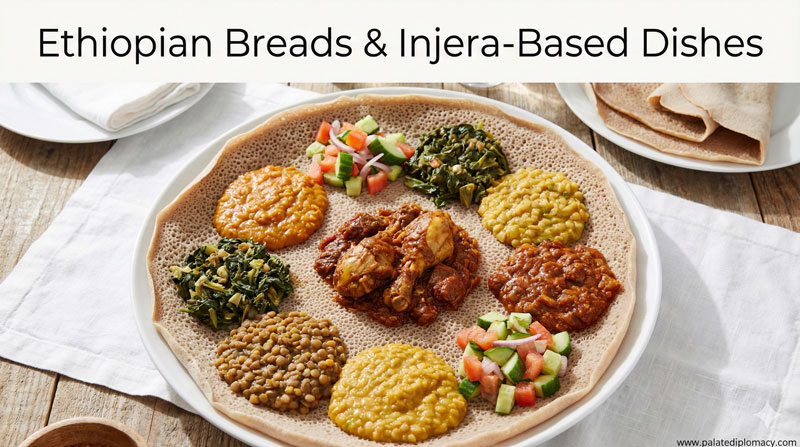
Injera sits at the heart of Ethiopian meals. This round, spongy flatbread welcomes guests and ties a table together. Made from teff flour, water, and time for fermentation, injera carries a bright, tangy note that signals a kitchen well-practiced in patience and craft. The bread is more than food; it is a vessel, a tablecloth, a shared ritual that invites conversation and connection. Its distinctive texture—soft on top with tiny holes that drink up sauces—creates a playful, interactive eating experience. When a platter arrives, injera instantly defines the rhythm of the meal: tear, scoop, savor, repeat.
The Craft of Fermentation and Texture
The magic of injera begins long before the first bite. The batter rests, breathes, and bubbles with natural yeasts. Teff, the tiny, protein-rich grain, lends a gentle tang and a light, airy crumb. Fermentation develops depth, balancing sweetness and acidity in a way that feels elevating yet familiar. The cook pours the batter onto a large clay pan called a mitad and watches the surface form countless dimples as steam rises. The result is a layer that is sturdy enough to hold sauces yet delicate enough to melt into a bite. The texture is a daily celebration of technique, timing, and respect for the grain. Each injera carries the mark of its maker and the moment in which it was prepared.
A Social Thread in Every Meal
Injera is a social thread that weaves people together. Meals are often shared from a single platter, with pieces of injera pulled apart and used to scoop stews, vegetables, and legumes. The act of tearing bread and gathering sauce becomes a silent conversation—an exchange of glances, smiles, and hospitality. In many households, offering the first bite to a guest signals warmth and welcome. The pattern of serving, eating, and cleaning up reinforces a sense of community that transcends a single dish. Injera thus becomes a daily ritual, affirming friendship, care, and mutual enjoyment in a quiet, unspoken way.
Culinary Significance: Pairings that Speak
Injera shines through its companions. It plays the role of plate, utensil, and flavor carrier. Classic pairings include various wots—rich meat or legume stews—alongside lentil or chickpea sauces. Vegetables and fresh herbs balance the sour tang, while condiments and spicy pastes add brightness and heat. The bread’s absorbent quality lets sauces linger on the palate, creating a long, evolving taste experience with every bite. This edible support system highlights how Ethiopian cooks orchestrate balance: acidity with savor, softness with substance, daily need with seasonal charm. The result is a cuisine that feels both rooted and radiant, always ready to welcome a new palate.
Regional Variety and Everyday Joy
Though injera is a unifying symbol, regional differences bring subtle variety. Some injera are large and pliable, perfect for feeding a crowd or for a festive spread. Others are thinner and sharper in tang, reflecting local fermentation times and grain choices. Teff may be mixed with barley or millet in some homes, producing slightly different textures and flavors while preserving the characteristic sour aroma. These nuances reveal a culture that honors tradition while welcoming gentle change. Across kitchens and communities, injera remains a joyful constant—an everyday treasure that travels easily from morning tea to the evening feast.
Caring for and Celebrating Injera
The life of injera extends beyond the plate. Fresh injera brings immediate aroma, warmth, and a sense of welcome. When stored, it stays soft and pliable for a day or two, often rehydrated gently before serving. Reheating on a dry pan or warming over gentle heat helps revive its texture and aroma. The best injera invites guests to linger over conversation and savor the harmony of simple ingredients transformed through time and technique. In homes and restaurants alike, cooks take pride in the craftsmanship of the batter, the consistency of the bake, and the generosity of the shared meal.
A Dish That Speaks of Culture and Craft
Injera’s appeal rests on more than taste. It embodies hospitality, skill, and a daily celebration of nourishment. The bread’s tang, its welcoming sponginess, and its role as a social centerpiece remind us that food can unite people through simple acts—sharing, passing a piece of bread, dipping into a neighbor’s sauce, and smiling at the result. Injera is not merely eaten; it is experienced. It honors tradition while inviting curiosity, making Ethiopia’s culinary landscape feel intimate, warm, and alive with texture and purpose.