
Why Injera Is One of Ethiopia’s Most Loved Dishes
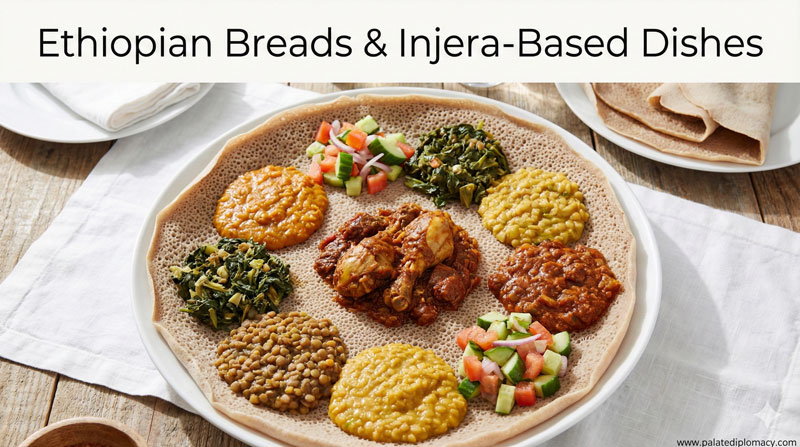
Injera sits at the center of Ethiopian meals. This tangy, spongy flatbread is cooked on a large, round surface and shared among family and friends. Its Unique texture helps flavors shine, and its bright sour note adds depth to every bite. More than bread, injera acts as a natural plate and a versatile utensil. When stews arrive, people break off pieces of injera to scoop and dip, guiding the flavors with care. The result is a meal that feels welcoming, intimate, and carefully prepared. The dish embodies the warmth of Ethiopian dining, where food is a bridge between flavors, generations, and daily life.
The Foundation: Teff, Fermentation, and Flavor
Teff, the tiny grain behind injera, is prized for its nutty taste and nutrient profile. When ground into flour and mixed with water, the batter begins to ferment. This slow fermentation builds a gentle tang and creates a light, porous surface as the bread cooks. The fermentation is a quiet art, often learned through family practice and daily rhythm. The resulting injera carries a lively balance: mild acidity with a soft, springy bite. It is gluten-free by nature, which makes it accessible to many diners and adds to its adventurous yet comforting character. The final product is a canvas for sauces, lentils, and vegetables, while retaining a character all its own.
The Texture That Makes it Stand Out
The surface of injera is full of tiny holes, produced by the fermentation and the cooking method. This texture is not a flaw; it is functional elegance. Each hole invites sauces to settle in, carrying flavors as you bite. The outer edge remains supple and slightly chewy, while the center stays tender and moist. This contrast makes every mouthful interesting. When folded or torn, injera forms a natural pocket around stews, allowing a single bite to deliver a mosaic of tang, steam, and spice. in Ethiopian cuisine, texture is a language, and injera speaks with warmth and clarity.
The Shared Table: Hospitality and Culture
Injera is inseparable from hospitality. Meals often begin with the host presenting a fresh loaf of injera, signaling welcome and the invitation to share. Diners take pieces from the large sheet, tearing to create portions for everyone at the table. Stews such as lentil, chickpea, and vegetable dishes are spooned onto the injera, then mixed in as everyone eats together. This practice reinforces harmony and togetherness, turning a meal into a social event rather than a simple sustenance moment. The act of sharing injera emphasizes care, attentiveness, and mutual enjoyment, values that define Ethiopian dining rituals.
Regional Varieties and Modern Flair
Across regions and kitchens, injera adapts in subtle ways. Some versions use pure teff flour, while others blend teff with barley or wheat to adjust texture or availability. The batter’s fermentation time varies, yielding a slightly different tang and porosity. in Modern kitchens, chefs explore inventive pairings, using injera as a base for contemporary stews or as a creative wrap for seasonal fillings. Yet, even in creative adaptations, injera remains faithful to its roots: a living bread that carries tradition, flavor, and a sense of place.
Injera in Ethiopian Cuisine Today
Today, injera is a daily companion to a wide array of dishes. It acts as a versatile plate, a soft wrap, and a palate cleanser between bites of rich, spiced stews. Its presence signals hospitality, patience, and a deep respect for shared meals. As cooks refine techniques and families pass down recipes, injera continues to unify flavors and communities around the table. The dish stands as a testament to thoughtful fermentation, careful cooking, and the beauty of simple ingredients transformed through time and care.
If you are new to Ethiopian cuisine, begin with plain injera and a couple of classic stews. Notice how the bread’s tang brightens the flavors and how its texture invites you to slow down and savor. Injera invites curiosity, invites conversation, and invites everyone at the table to participate in a rich culinary ritual. In every bite, you taste a tradition that celebrates warmth, craft, and the joy of sharing.