
What Makes Injera with Wat So Special in Ethiopia
Injera with wat sits at the heart of Ethiopian dining. This pairing is more than a meal; it is a living expression of hospitality, shared history, and everyday artistry. The tang of injera meets the warmth of wat, and the result is a dish that feels both ancient and immediate. It invites conversation, praise, and quiet appreciation for craft and flavor alike.
The Craft Behind Injera
Injera begins with flour, water, and patience. Teff flour gives the bread its distinctive color and delicate aroma. The batter rests and ferments, often for a day or two. During this time, tiny bubbles form and the batter grows lighter. This fermentation is the quiet heartbeat of the dish, shaping its sour note and airy texture.
The cooking process is precise and inviting. A large, round clay griddle called a mitad heats until ready. The batter is poured in a circle, spreads quickly, and forms a soft, sponge-like surface with many tiny holes. The result is injera that is crisp at the edges yet tender in the center. Each piece carries a bright tang and a soft, porous bite that soaks up flavors from what is served atop it. Skill here lies in timing, temperature, and patience, and the cook’s touch turns simple ingredients into something celebratory.
The Flavor Palette of Wat
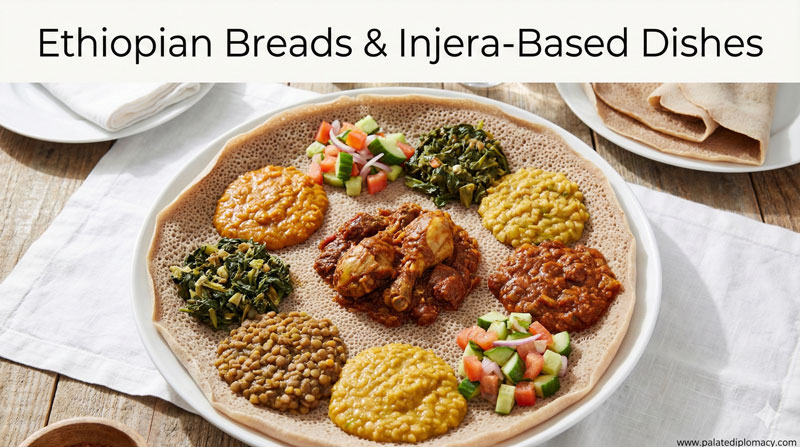
Wat is the heart of the dish’s depth. Ethiopian cooks season it with a blend of spices that can include berbere, turmeric, and paprika, then enrich it with niter kibbeh—clarified butter infused with spices. The result is a stew that mingles heat, savor, and aroma in a single spoonful. Variations abound: misir wat (lentil), Doro Wat (chicken with hard-boiled egg), tibs (sautéed meat), shiro wat (ground chickpeas), and many others each tell a regional voice within the same culinary family.
What sets wat apart is balance. The spice foundation brings warmth without overpowering. The butter adds velvet and shine, while slow simmering deepens sweetness and complexity. Every bite offers a subtle kick, a comforting richness, and a lingering fragrance that makes the meal feel ceremonial yet completely approachable. The pairing with injera is not incidental—injera soaks up the sauce, distributing its flavors evenly across the plate and across the table.
The Social Fabric of the Meal
Ethiopian meals often unfold around a shared platter. Injera serves as both bread and plate, a practical and symbolic base for the feast. People tear off a portion of injera and use it to scoop up bits of wat. The act of tearing and handing pieces to one another becomes a small ritual of care and connection.
Hospitality shines in every gesture. Guests are welcomed with generous portions and warm smiles. The flat, communal spread invites conversation, storytelling, and quiet reflection. The meal is a celebration of togetherness, where the focus rests on nourishment and mutual enjoyment. In this spirit, the table becomes a bridge between generations, flavors, and memories.
Regional Voices and Variations
Teff comes in colors from white to brown to purple, and home kitchens adapt its use with pride. Some households blend teff with other grains to adjust texture or fermentation pace, while others stick to 100% teff for its pure tang and light bite. In and around Addis Ababa, Shiro or Misir Wat may accompany the Main Dishes, offering gentle contrasts in texture and sweetness.
Injera itself can vary by region and family. The batter may rise a bit more on sunny days or slow down in cooler weather, producing slightly different holes and crumb. Yet across these differences, the cultural message remains the same: this bread is a living canvas for the stew, and the stew is a living melody to be enjoyed together.
How to Enjoy Injera with Wat
For visitors, the experience is both simple and meaningful. Start by tearing a small piece of injera. Use it to scoop a portion of wat, letting the sauce linger between bites. Eat slowly, savoring the balance of tang, spice, and richness. If offered, pair with a light salad or a side dish to cleanse the palate between bites.
Tradition often suggests using the right hand to eat and share, a sign of respect and ease. Keep the table kind and generous; pass dishes around with a smile. This creates a circle of warmth that makes the meal feel welcoming to all who join.
Nourishment and Tradition
Injera with wat nourishes the body and binds people through ritual and care. Teff offers fiber, minerals, and a gentle grain that suits many diets. The stew components provide protein and depth, making the meal robust yet harmonious. The combination highlights a philosophy of balance: simplicity in technique, richness in flavor, and generosity in sharing.
The dish also reflects the agricultural cycle. Teff grows in highland soils, and the care given to its cultivation appears in each bite. When families gather to prepare and serve injera and wat, they honor farmers, artisans, and cooks who have kept this tradition alive for generations. The result is a living culture, rolling forward with every shared bite.
Conclusion
Injera with wat stands as a beacon of Ethiopian culinary culture. Its beauty lies in the union of craft, taste, and human connection. The tang of injera and the depth of wat invite us to slow down, share, and celebrate the everyday artistry of food. This dish teaches that nourishment can be a communal act, a moment of hospitality, and a gateway to memory. In every plate, we glimpse not just flavor, but a rich tapestry of tradition that continues to welcome the curious and honor the old ways.