
What Makes Injera with Wat So Special in Ethiopia
Injera with wat is more than a meal in Ethiopia. It is a living expression of kindness, community, and careful craft. The soft sourness of injera frames a chorus of wat stews, turning a simple plate into a festive table. Families gather around a round mesob or a shared platter, inviting conversations as much as bites. This dish speaks of hospitality, where food is a language of welcome and warmth. The experience blends ritual and taste, inviting everyone to slow down and savor the moment.
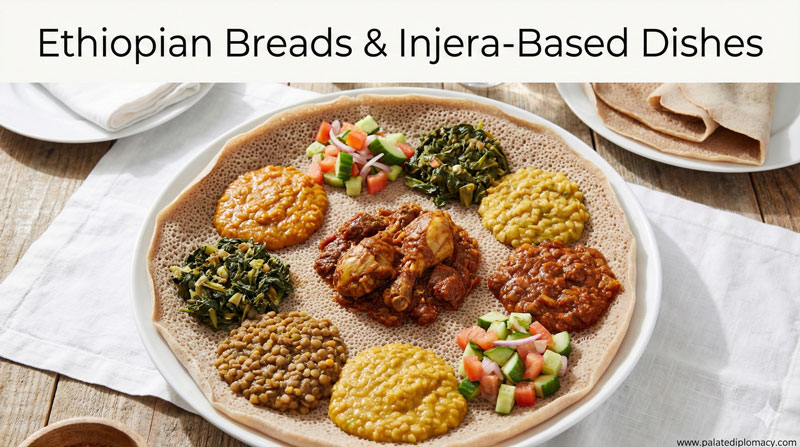
Injera sits at the center like edible art. It is a large, spongy flatbread made from teff, water, and time. The batter ferments slowly, developing a bright tang that heightens the flavors of the stews it accompanies. Each bite carries a hint of ancestral know-how, handed down through generations. The texture is airy yet sturdy, capable of carrying bits of wat without tearing. This balance—flavorful, soft, and practical—defines the cultural value of the dish.
The Craft of Injera: Fermentation, Texture, and Teff
The heart of injera is its fermentation. Teff flour, water, and patience transform into a lively batter. The fermentation bubbles quietly for one or two days, depending on the kitchen and the weather. When cooked, the batter forms many tiny holes that contribute to its light, cushiony feel. This texture invites diners to use fingers to pick up morsels, turning eating into a tactile ritual.
Teff is the star grain. It is naturally nutritious and lends a delicate sweetness to the bread. Teff’s tiny grains and the fermentation chemistry create a color and aroma that are unmistakably Ethiopian. Injera is often cooked on a large clay griddle called a mitad. The griddle heat, air, and timing shape the final round—bright at the edges and soft in the center. The result is a bread that is both practical as a utensil and delightful as a component of flavor.
Wat: A Palette of Flavors on One Plate
Wat, or stew, offers a spectrum of flavors on a single platter. Each variety carries its own character, yet they share a unifying depth. Doro Wat, a chicken stew with berbere and garlic, glows with warmth and spice. Misir wat, made from lentils, brings hearty earthiness and comfort. Shiro wat uses ground chickpeas to create a creamy, comforting layer. These stews mingle with the sour injera, creating a dance of contrasts—richness against tang, spice against softness.
Berbere spice, niter kibbeh (spiced clarified butter), onions, garlic, and chili form the backbone of many wat recipes. The result is layered flavor: a gentle heat, a hint of sweetness, and a lingering aroma that makes the meal inviting. Each scoop of wat on injera carries a history of cooking methods, regional variations, and family recipes. The platter becomes a canvas where many tastes coexist, inviting guests to explore and compare.
Sharing and Etiquette: The Social Heart of the Meal
Eating injera with wat is a social act as much as a culinary one. Food is shared from a single communal platter, and guests tear pieces of injera with their hands. Right-hand eating is common, with the bread serving as a convenient utensil to scoop up wat. There is a rhythm to the service: elders and guests are honored with generous portions, and the host ensures everyone has a bite to savor.
The order of courses often reflects care and hospitality. The host may start with a small amount of injera and then extend the plate as conversations unfold. Conversation flows easily around the table, and smiles accompany every bite. Cleanness and order matter; hands are washed, and care is taken to keep the platter inviting for all. This etiquette fosters a sense of belonging and shared respect around the table.
Everyday and Celebratory Moments
Injera with wat appears in daily life as a comforting staple and in festive moments as a centerpiece. On ordinary days, a family meal centers on familiar combos of wat and injera, reinforcing routine and comfort. In celebrations, the platter expands to include a variety of wat, fresh greens, and small sides that elevate the occasion. The dish marks milestones, welcomes guests, and accompanies rituals with meaningful flavor.
Beyond meals, injera and wat symbolize hospitality in many settings. A visitor is offered warmth through tea, coffee, and the generous plate before them. The act of eating together becomes a memory shared among family and friends. in Ethiopian culture, food is a bridge between generations, a way to honor hands that have prepared it, and a reminder of the beauty found in simple, well-made food.
A Simple Guide to Savoring Injera with Wat
- Look for balance: Injera should be soft with a gentle tang, supporting rather than competing with the wat.
- Listen to the aroma: Berbere and spices release inviting scents that signal a well-made stew.
- Eat with intention: Tear a piece of injera, scoop a portion of wat, and let textures mingle on the tongue.
- Appreciate the craft: Notice the texture of the bread, the shine of the oil, and the depth of the stews.
- Share generously: Enjoy the communal nature of the meal and the warmth that comes with hospitality.
Injera with wat is a celebration of Ethiopian food culture. It embodies hospitality, craftsmanship, and the joy of shared meals. By savoring it, you taste not only flavor but a culture that treasures community, tradition, and the beauty of a dish prepared with care.