
Introduction
Why Jollof Rice Is One of Nigeria’s Most Loved Dishes is a celebration of color, aroma, and shared moments. In many Nigerian homes, this dish is more than food; it is a signal that guests are welcome and that time together matters. The base is simple—rice in a rich, tomato-forward sauce—but the magic lives in how each kitchen shapes the recipe. Bright red hues, a gentle glow of oil, and the scent of herbs fill the room. Jollof rice invites people to pause, taste, and tell a story with every bite. This post looks at its cultural value and culinary significance, focusing on beauty, craft, and community.
Cultural Roots and Culinary Significance
Jollof rice sits at The Heart of everyday meals and festive occasions alike. It is a dish that travels through households, changing with every cook, every region, and every season. Families borrow ideas from one another, swapping tomatoes for peppers or adjusting heat to suit the evening. The recipe becomes a shared language—one that says, “We value flavor, patience, and togetherness.” In practice, a pot of Jollof becomes a focal point for conversations, laughter, and warmth. The dish is a dependable canvas for personal touches: a preferred balance of sweetness and tang, a Favorite spice blend, or a unique finish with fresh herbs. In this way, Jollof rice embodies the care that goes into daily life, as well as the joy of coming together around food.
The Cooking Craft: Ingredients and Techniques
The craft of Jollof rice blends technique with tradition. A typical pot starts with heat, oil, and a foundation of onions. Then comes the tomato base: ripe tomatoes or tomato paste, sometimes blended with red peppers or fresh chilies to achieve a vibrant, smoky depth. The flavors deepen as garlic, ginger, and a sprinkle of spice are added. Rice is tucked into the simmering sauce and cooked slowly, soaking up the color and aroma while remaining tender and distinct. The texture matters, and many cooks aim for grains that are fluffy yet cohesive, not mushy. Stock or broth can be included to enrich the sauce, along with herbs such as thyme and bay leaf to provide a gentle herbal note. Salt and pepper adjust the balance, while occasionally a dash of curry powder or paprika introduces a subtle warmth. The result is a one-pot dish that carries layers of flavor and a glossy, inviting finish.
The Table as Stage: Serving Traditions and Social Value
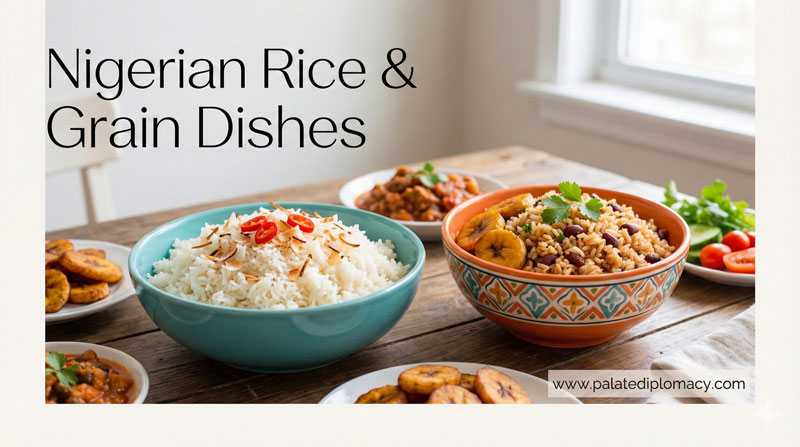
Jollof rice shines most brightly when shared. It appears at family dinners, weekend gatherings, and celebratory meals, where it pairs with fried plantains, fried fish, or a simple side of vegetables. The dish invites conversation about taste and technique, from “how long did you simmer?” to “does yours have a little more heat?” The act of serving Jollof is as meaningful as its flavor. Laughter, stories, and encouragement often accompany the first scoop, turning a routine meal into a cherished memory. In many homes, a pot of Jollof sits at the center of the table, surrounded by sauces and accompaniments, signaling hospitality and a readiness to share. This social dimension—how the dish unites people around a single pot—defines much of its cultural value.
Regional Twists Across Nigeria
Within Nigeria, cooks add personal notes that reflect local ingredients and family preferences. Some kitchens lean toward a deeper, smokier base with slightly charred edges from a steady simmer. Others favor a brighter, tangier profile by using a higher tomato ratio or fresher peppers. The choice of rice also matters: some cooks prefer long-grain varieties that hold their shape, while others opt for a softer texture that blends more into the sauce. Spices and aromatics vary as well, creating gentle differences that celebrate regional character without losing the harmony of the overall dish. These twists coexist and complement one another, underscoring the idea that Jollof rice is a living tradition—one that grows and adapts while staying rooted in shared practice.
Jollof Rice and Everyday Celebrations
Beyond grand occasions, Jollof rice enriches everyday moments. A weekend meal becomes special when a pot of Jollof is on the stove, inviting relatives and neighbors to gather. Street vendors and home kitchens alike contribute to a steady stream of aroma that greets passersby with comfort and familiarity. The dish supports a rhythm of life that honors nourishment, generosity, and good company. It is a reliable choice for birthdays, school events, or simply a peaceful evening at home. By turning ordinary meals into memorable experiences, Jollof rice deepens appreciation for cooking as a daily act of caring and connection.
Practical Tips for Home Cooks
- Start with a solid tomato base. If using fresh tomatoes, simmer them to soften and deepen before adding rice. Tomato paste can intensify color and flavor quickly.
- Choose rice that suits your texture preference. Long-grain varieties tend to stay distinct; shorter grains can create a silkier sauce when cooked carefully.
- Balance the heat and tang. Use a measured hand with peppers and chili, then adjust with salt and a touch of sugar or seasoning to suit your palate.
- Build flavor in layers. Sauté onions, then add garlic and ginger, followed by the tomato base. Let each stage meld before adding rice and stock.
- Control the simmer. Keep a gentle simmer and avoid vigorous boiling, which can cause uneven cooking or stickiness.
- Rest briefly after cooking. A short rest helps the grains settle and the flavors meld, producing a cohesive final dish.
- Pair thoughtfully. Add sides that complement the richness—fried plantains, a light salad, or a simple relish can enhance the experience.
Final Reflections
Jollof rice stands as a vivid portrait of Nigerian kitchen life: a beloved centerpiece that brings people together, a canvas for personal and regional expression, and a testament to the care that goes into daily cooking. Its beauty lies not only in the promise of great taste but also in the moments it creates—smiles around a shared pot, the glow of a table filled with color, and the steady rhythm of a family’s cooking tradition. When you cook or savor Jollof rice, you participate in a warm, enduring practice that honors flavor, family, and community. That is why it remains one of Nigeria’s most loved dishes: a simple pot that holds a generous share of culture, craft, and connection.