
What Makes Karahi So Special in Pakistan
Karahi, a dish named for the wide, rounded pan it waits in, holds a special place in Pakistani kitchens and gatherings. It is more than a meal; it is a daily ritual of warmth and welcome. The flavors are bold and direct, yet balanced by freshness. When the pan sizzles, the home fills with a comforting aroma that says, “Come in, stay a while.” This is the heart of karahi: a simple recipe that forms lasting memories.
The Pan That Holds a Nation’s Favorites
Karahi pans are wide at the bottom with tall, curved sides. This shape lets heat kiss the meat quickly and helps the sauce emulsify. Cooks start with a light drizzle of oil or ghee, then add garlic, ginger, and a chorus of spices. Fresh tomatoes soften and release brightness, turning the sauce a ruby-orange hue. The dish finishes with a final toss of chopped cilantro and a squeeze of lemon. The result is a glossy, fragrant curry that glows with color and character.
Simple Ingredients, Bold Flavors
The beauty of karahi lies in its honesty. A lean cut of meat—chicken, mutton, or beef—takes center stage, but the pan welcomes variety. Tomatoes provide brightness and a gentle tang, while green chilies lend a signature warmth. Garlic and ginger infuse the dish with sharp aroma, and fresh herbs lift every bite. Ground spices—cumin, coriander, turmeric, and a touch of garam masala—build warmth without heaviness. The trick is timing: add ingredients in stages, let flavors bloom, then finish with a bright flick of herbs. The result is a dish that feels both rustic and refined, a testament to everyday cooking done well.
A Dish of Hospitality: Shared Meals and Gatherings
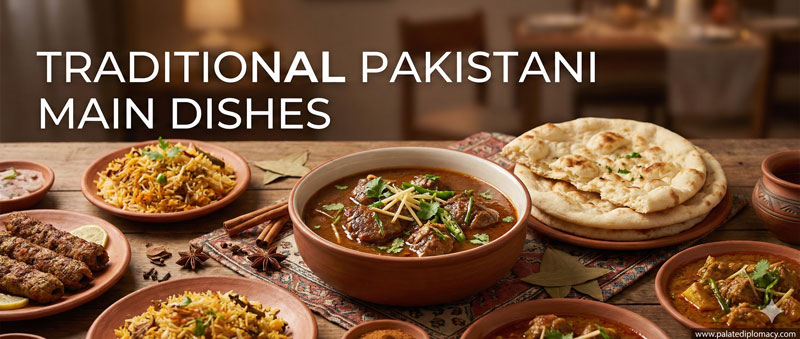
In Pakistani homes, karahi is a dish of hospitality. Hosts prepare it as a centerpiece for friends and family, a signal that guests are cherished. Tables are set with naan or roti, a cool raita, and crisp onions with lemon wedges. The aroma greets everyone as they enter, inviting conversation and smiles. Sharing karahi turns a meal into a moment of connection, where stories unfold as easily as the sauce thickens. This is why karahi feels so welcoming: it is built for togetherness.
Regional Echoes: Variations Across the Country
Punjab gives karahi its most robust, sun-lit brightness. Here, ginger and garam masala are pronounced, and the tomato base carries a lively bite. Sindh brings a tangy edge, often with bright acidity and a touch more heat. In the north, flavors mingle with sharper chilies and a hint of mountain air in the spices. Balochistan offers a smoky depth, sometimes from a touch of char or a slower simmer that concentrates flavor. Across all regions, the core idea remains the same: A Quick, high-heat cook that preserves tenderness and reveals the soul of the ingredients. These regional touches connect families to place, making karahi a personal map of taste.
The Table Experience: Serving, Sides, and Sips
Karahi shines when it arrives at the table hot and glossy. It pairs beautifully with fresh naan or tandoori roti that perfects the sauce for every bite. A crisp onion salad and a cooling yogurt-based raita balance the heat. Fresh lime wedges offer a bright finish, while a mint chutney can add a refreshing lift. Some households finish with a sprinkle of chopped cilantro and julienned ginger, a small flourish that elevates aroma and color. The experience is sensory: you see the glaze, hear the hiss, feel the heat, and taste the layered warmth in every mouthful.
Keeping the Flame Alive: Home Kitchens and Modern Takes
Even as kitchens evolve, karahi remains a touchstone of home cooking. Many families keep the traditional method alive, honoring shared methods and familiar flavors. At the same time, cooks experiment with leaner oils, alternative proteins like paneer or mushrooms, or modern twists that preserve the dish’s spirit. The beauty of karahi is its flexibility: it welcomes adaptation without losing its essential character. In restaurants and home kitchens alike, the dish travels from stove to table with a sense of ceremony and comfort.
A Celebration of Craft and Comfort
Karahi is more than its bold taste. It is a celebration of craft—the careful balance of heat, timing, and ingredient quality. It is a portrait of hospitality, inviting guests to sit, share, and savor together. It is a record of regional flavors, carried in a single, shimmering pan. And it is a reminder that everyday cooking can carry dignity, joy, and a sense of belonging.
If you have never cooked karahi, start with a simple version: a handful of fresh tomatoes, garlic, ginger, and a lean cut of chicken or mutton. Add spices you trust, keep the flame lively, and watch the sauce come together in a few short minutes. Serve with warm bread, a cool side, and the company of good friends or family. In this way, karahi reveals Pakistan’s culinary heart: honest ingredients, clear flavors, and a shared table where everyone is welcome.