
Top Reasons Locals Love Eating Kiełbasa Polska
Kiełbasa Polska, or Polish sausage, holds a warm spot in the heart of Polish dining. This dish is more than a snack or a meal; it is a simple expression of regional craft, family warmth, and seasonal flavors. Locals praise its versatility, its comforting aroma, and the way it brings people together around a shared table. In this post, we explore the cultural value and culinary significance that make Kiełbasa Polska beloved in everyday life.
Craft and ingredients that tell a story
The soul of Kiełbasa Polska lies in careful preparation. Makers select quality pork as the base, sometimes blending in beef or veal for richness. Garlic, marjoram, black pepper, and a touch of peppercorns show up as the defining aromatics. Salt acts as both a seasoning and a guardian of texture. The mixture rests briefly to mingle flavors, then fills natural casings with a steady hand. Smoking completes the signature profile. Beech or oak woods lend a gentle, wholesome smoke that rounds the spices rather than overpowering them.
What locals value most is not a single recipe but a living craft. In towns and villages, smokehouses still dot the landscape, and small shops showcase traditional methods alongside newer facilities. This blend of time-honored technique with careful modern care keeps the offering both authentic and accessible. The result is a sausage that carries its ingredients with clarity: meat, fat, and a balanced spice blend, all wrapped in a taut, flavorful casing.
A moment at the table: shared meals and everyday rituals
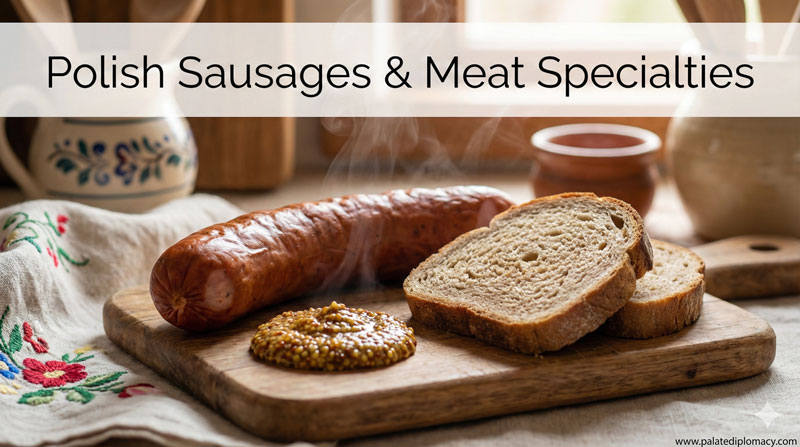
Kiełbasa Polska shines at the table because it accompanies everyday rituals as well as festive occasions. It is a natural centerpiece for a casual lunch, sliced thick and laid out with sturdy rye bread, sharp mustard, and crunchy pickles. It appears at family gatherings where conversations flow as easily as warm tea and bread. A weekend grill becomes a small ceremony: the sausage sizzles, the kitchen fills with a comforting aroma, and chatter grows livelier as plates pass from hand to hand.
Markets and street stalls also celebrate its presence. Vendors fire up grills, offering hot, freshly sliced rounds that invite passersby to slow down and enjoy a moment of savor. In these scenes, Kiełbasa Polska becomes a bridge between generations. Grandparents share tips on the best way to slice and grill, while younger cooks learn to balance smoke, heat, and timing. The dish thus anchors a sense of continuity in daily life, connecting past flavors with present moments.
Flavor, texture, and the signature pairings
The taste of Kiełbasa Polska is comforting and unmistakable. It offers a savory backbone with gentle garlic, a herbal lift from marjoram, and a subtle smokiness that lingers pleasantly. The texture is firm yet yielding: a clean snap when bitten, followed by juicy notes that reflect the meat’s quality. This combination makes the sausage endlessly adaptable.
Locals pair Kiełbasa Polska with foods that lift its character without overpowering it. Rye bread gives a hearty counterpoint to the sausage’s richness. Sharp mustard adds a zesty contrast that cleanses the palate between bites. Pickled cucumbers and sauerkraut provide bright acidity to balance fat and salt. Potatoes—roasted, boiled, or mashed—offer a comforting starch that rounds out the plate. For drinks, a crisp lager or a light apple cider often accompanies a casual meal, while a cooler evening might welcome a smooth, gentle beer or a glass of creamy dairy to contrast flavor.
In preparation, many households favor simple cooking methods that preserve the sausage’s personality. A quick pan-sear or let-the-grill do the work keeps the snap intact and preserves the aroma. The goal is to reveal the sausage’s natural warmth rather than masking it. This approach elevates humble ingredients into a memorable dining moment.
Regional voices: styles and makers across Poland
Across Poland, regional styles and family recipes color the landscape of Kiełbasa Polska. Some varieties lean milder and sweeter, letting garlic and marjoram shine through; others lean bolder with pepper or smoky undertones. A few well-known regional names—such as Cracovian-inspired sausages or country-style blends—display distinct spice profiles and textures, yet all share a common thread: pride in a craft that many families have practiced for generations.
Makers of Kiełbasa Polska range from longtime family smokehouses to contemporary producers who honor traditional methods while ensuring consistent quality. This blend of old and new sustains trust among shoppers and diners. Local shops often tell a story with their products—how the meat is sourced, how long the sausage rests before smoking, and how the smokehouse maintains steady heat. Those small stories enrich the meal and deepen cultural appreciation for a dish that travels from farm to table with care.
Modern life, timeless flavor: everyday enjoyment and adaptation
Today, Kiełbasa Polska remains relevant by fitting neatly into modern routines. It travels well, whether enjoyed at a riverside picnic or a city apartment dinner. It adapts to contemporary kitchens without losing its core identity. You can find it sliced for quick lunches, or prepared in more elaborate platters that highlight seasonality—paired with seasonal vegetables or a fresh herb salad.
The dish also inspires chefs to explore new pairings and presentations while staying faithful to tradition. Some cooks experiment with plating techniques, balancing vibrant greens and rustic bread with the sausage’s smoky profile. Others invite it into today’s comfort-food trend, layering it into soups, stews, or hearty bean dishes for extra depth. In every case, the essence remains the same: a straightforward, flavorful sausage that honors craft and common joys at the table.
Embracing a simple, enduring tradition
Kiełbasa Polska embodies more than flavor; it embodies a way of eating that centers warmth, community, and seasonal pride. Its cultural value lies in how it invites people to gather, share, and savor. Its culinary significance rests in its balance of quality ingredients, traditional technique, and adaptable preparation. Locals celebrate its versatility—how it can be a quick weekday meal or a centerpiece for a slower weekend feast—without losing its essential character.
If you’re curious to experience this dish, start with a simple plate: a few slices of Kiełbasa Polska on rye bread, a dab of mustard, and a crisp pickle on the side. Listen for the sizzle, inhale the inviting aroma, and let the flavors guide you through a small lesson in Polish comfort and hospitality. The dish is a friendly ambassador of Polish food culture, inviting both newcomers and locals to pause, enjoy, and share.