
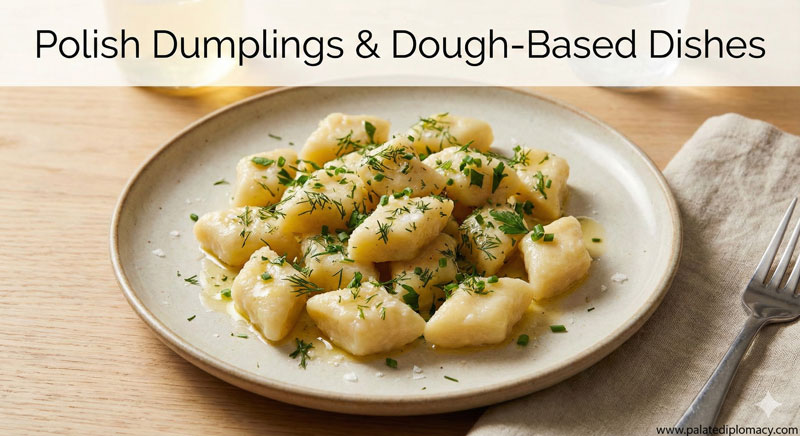
Pierogi: A Gentle Introduction
Pierogi are small, soft dough pockets that hold a world of flavor. They are boiled until tender and then sometimes bathed in a light fry for added texture. Locals prize them for their inviting shape, their comforting bite, and the way they bring a sense of home to the table. Each pierogi is a tiny canvas, ready to shine with a simple filling or a bright seasonal note. This dish sits at the heart of everyday meals and festive gatherings alike, celebrated for its approachable joy and dependable taste.
Dough Craft: The Foundation of Texture
First, the dough sets the stage for every bite. A simple blend of flour, water, a pinch of salt, and sometimes eggs yields a supple sheet. The dough rests briefly, then relaxes as hands roll it to a thin, even layer. The key is balance: it should be sturdy enough to hold a filling, yet tender enough to melt on the tongue. Next, rounds are cut, filled, and sealed with care. Each edge is pressed to form a gentle pleat, a small mark of craftsmanship. When boiled, the pockets show their strength by floating to the surface, a signal of perfect texture. Finally, a light fry in butter or oil adds a subtle gloss and a kiss of extra flavor.
Fillings: Stories in Each Bite
Next, the fillings tell stories of season and kitchen wisdom. The classic potato and cheese (Pierogi Ruskie) celebrates earthy comfort and creamy balance. Mushroom with onion honors the forest’s generosity, while sauerkraut offers a crisp tang that brightens the palate. Sweet fillings—berries, sweet cheese, or fruit compotes—mirror the harvest and the pleasures of dessert in a single bite. In every region and home, small adjustments create distinct personalities. This variety keeps pierogi versatile and endlessly inviting, able to pair with light dairy, a savory sauce, or a touch of caramelized onion.
Cooking and Serving: A Simple Ceremony
In practice, pierogi begin as a gentle boil—delicate bubbles, careful timing. They are finished by a quick, warm kiss in a skillet with butter or oil. The result is a slightly crisp edge that contrasts with the tender center. When served, they meet a range of accompaniments: a dollop of sour cream, a scattering of chives, or a handful of crispy bacon bits for those who enjoy a richer finish. The serving ceremony is simple and welcoming, designed to bring people together with minimal fuss and maximum aroma.
Regional Tastes: Variations at a Glance
Across towns and countryside, small differences shape A Unique regional character. Some regions favor smaller, plumper rounds, while others prefer a longer, boat-shaped form. The dough may be a touch thicker in cooler climates or when dates call for heartier meals, and fillings shift with local staples. These nuances celebrate local identity while remaining instantly recognizable as pierogi. The result is a shared culinary language that travels easily from kitchen to table, from market to feast.
Social and Family Traditions: Pierogi in Everyday Life
In many homes, making pierogi is a social affair. Families gather, hands work in harmony, and stories flow as dough yields to filling. Children learn from grandparents, copying the careful pleats and counting the rounds. The process teaches patience, teamwork, and pride in a finished plate. This ritual turns a meal into a memory, a dish into tradition. It is in these moments that pierogi gain their lasting cultural value: they connect generations through shared effort and shared flavor.
Modern Twists: Pierogi in Contemporary Kitchens
Today, cooks explore fresh fillings and healthier approaches without losing the dish’s soul. Lightweight doughs, whole-grain flours, and plant-based fillings expand the menu while preserving the familiar comfort. Quick weeknight versions pair well with simple greens and a bright sauce. Creative toppings—herbs, lemon zest, or a yogurt drizzle—offer new lights while keeping the pierogi’s essence intact. The dish adapts gracefully to modern kitchens, inviting new audiences to discover its charm.
Pierogi in Seasons: Seasonal Favorites
Seasonal produce guides filling choices. Autumn brings pumpkin, squash, and apples, offering gentle sweetness that pairs with spices. Winter asks for savory warmth: mushrooms, cabbage, and onion create hearty combinations. Spring and summer invite fresh herbs, soft cheeses, and bright vegetables. These seasonal shifts keep pierogi lively, ensuring every serving feels timely and thoughtful. They remind us that cooking is a living tradition, ever-evolving with the year’s rhythm.
A Gentle Conclusion: Taste, Craft, and Culture
Pierogi stand out for their balance of texture, taste, and technique. They invite cooks to practice dough, to respect filling harmony, and to share meals with care. The dish’s cultural value lies in its simplicity, its adaptability, and its ability to bring people together around a table. In every bite, locals celebrate a tradition that is approachable, generous, and quietly profound. Pierogi remain a testament to how thoughtful cooking can honor place, craft, and communal joy.