
How Makowiec Became a Must-Try Dish in Poland
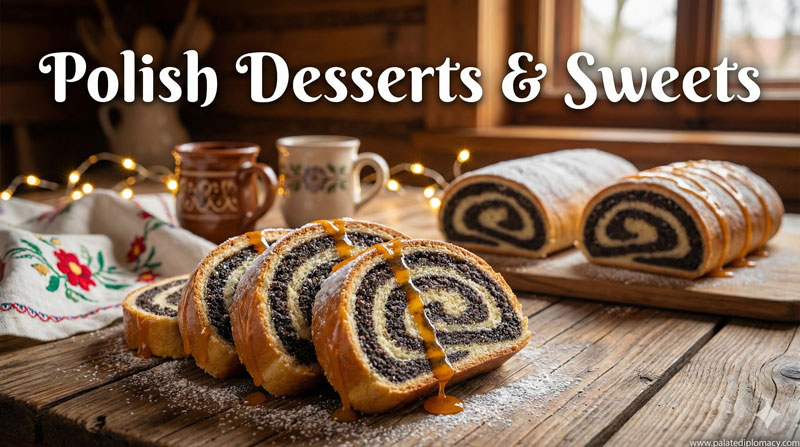
Makowiec is more than a pastry. It is a quiet celebration of craft, season, and shared tables. The name Makowiec translates to a poppy seed cake in Polish, and the dish has long lived in homes and bakeries alike. Its charm starts with a soft, fragrant dough and ends with a glossy, nutty filling. The filling blends ground poppy seeds with honey or sugar, a hint of citrus, and sometimes chopped nuts. The dough, usually yeasted, becomes a tender, pale crumb. When the two meet in a careful roll, a cinnamon-hinted spiral appears. This balance of texture and aroma invites a deeper appreciation. Across Poland, families and local bakers welcome Makowiec to festive meals and everyday moments alike. The dish travels gently through the year, gathering meaning with every shared slice. In many towns, shop windows and pastry displays feature Makowiec, inviting locals and visitors to taste a piece of Polish food culture. The result is simple, enduring, and quietly beautiful—a must-try for those exploring Poland’s culinary landscape.
The Craft Behind Makowiec
The magic of Makowiec lives in method as much as in flavor. First, the dough is prepared with flour, yeast, milk, butter, and eggs. The dough rests and rises, developing softness. Next, the poppy seed filling comes together. Ground poppy seeds meet honey or sugar, a splash of milk, and sometimes lemon zest or orange zest. Some cooks fold in chopped nuts or raisins for extra texture. Then the dough is rolled out thin, the seed paste spread evenly, and the dough carefully rolled into a log. The shape is baked until the exterior holds a light sheen and the interior remains moist. After cooling, a simple glaze or a dusting of sugar completes the finish. The whole process emphasizes patience, balance, and time. Each step honors careful hands and a sense of kitchen calm. The result is a cake that is elegant in its simplicity and generous in its aroma.
Regional Twists and Family Traditions
Polish regions offer gentle twists that celebrate local flavors while keeping the core idea intact. In some areas, almonds or walnuts join the poppy seeds for added depth. A few kitchens prefer citrus zest to brighten the filling, while others favor extra honey for a sweeter, more honey-forward profile. The dough can be enriched with a touch more butter or milk in cooler months, yielding a richer crumb. Shapes vary too: a long rolled log is common, but you may also see Makowiec formed as a ring or a rectangular loaf in certain bakeries. These variations reflect local tastes and seasonal ingredients, yet the familiar swirl of poppy seed filling inside continues to signal a shared Polish pastry heritage. The family tables that pass Makowiec from one generation to the next become quiet classrooms of flavor, technique, and care.
Makowiec on the Table: Celebrations and Everyday Moments
This pastry shines at gatherings and quiet afternoons alike. During Christmas Eve, Makowiec often graces the plate alongside other sweets, offering a symbol of warmth and sweetness for the season. At Easter and other special occasions, it appears as a centerpiece that invites conversations and shared bites. In cafés and markets, Makowiec represents Polish pastry craftsmanship and a moment of indulgence that is approachable and familiar. It pairs beautifully with coffee, tea, or a small dessert wine, inviting slow savoring rather than a rushed bite. Even in daily life, a slice can mark simple rituals—a family chat after dinner, a friendly visit, or a moment of pause before the day ends. The dish’s presence on the table signals comfort, generosity, and a quiet celebration of everyday life.
The Senses: Texture, Aroma, and Finish
Makowiec delights the senses in multiple ways. The dough offers a tender, airy bite that yields to the dense, slightly grainy poppy seed filling. The aroma blends the warm scent of yeast with the earthy sweetness of poppy seeds and honey. A light glaze or a dusting of sugar adds a gentle sweetness and a polished finish. Each slice reveals a spiral pattern that hints at careful handwork and celebration. The combination of creamy filling and soft dough creates balance: earthy, sweet, and comforting all at once. This harmony is a key reason the dish endures in Polish homes and bakeries, inviting repeat tastings and shared memories.
A Gentle Guide to Enjoy Makowiec at Home
If you wish to welcome Makowiec into your kitchen, start with a calm plan. First, choose a good filling balance—ground poppy seeds with honey, a touch of citrus, and optional nuts. Next, roll the dough evenly and avoid a thick layer of filling near the edge. Then, roll tightly to form a neat log and seal the seam. Bake until the exterior is lightly browned and the center remains moist. Finally, glaze or dust with sugar to finish. For serving, slice gently to reveal the spiral and serve with coffee or tea. If you enjoy a lighter version, you can reduce the honey slightly or use a thinner layer of filling. The key is patience during rolling and care in baking. Makowiec invites you to slow down, savor flavors, and share a moment of warmth with others.
Conclusion
Makowiec remains a cherished symbol of Polish pastry craft. Its appeal lies in the effortless harmony of dough and filling, the care shown in every roll, and the way it brings people together. Whether in a bustling bakery, a family kitchen, or a café corner, Makowiec speaks of tradition, skill, and a love of sweetness that is generous without being rushed. As a must-try dish in Poland, it offers a window into a culture that celebrates artful baking, seasonal ingredients, and the joy of sharing food with friends and loved ones.