
Why Naan Is One of Pakistan’s Most Loved Dishes
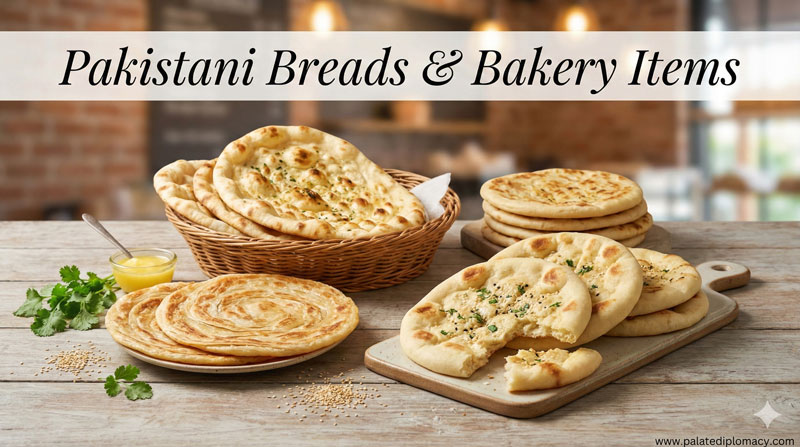
Naan holds a warm, central place in Pakistani dining. This soft, leavened bread is baked in a clay tandoor, where flames and heat shape a crisp edge and a tender, airy center. At the table, naan becomes more than a side; it acts as a natural utensil, a blanket for curries, lentils, and kebabs, and a welcome to shared flavors. Its charm lies in how easily it carries the day’s meals from kitchen to table, inviting conversation and connection.
The Craft Behind Naan
The magic begins with simple ingredients: flour, water, yeast or a bit of yogurt, and salt. The dough rests, then is rolled and stretched with care. A skilled baker or home cook slips the dough onto the hot oven walls, where the naan cooks quickly, developing dark blisters and a smoky aroma. The result is a bread that balances structure with softness. A brush of ghee or butter adds shine and a gentle richness, enhancing both aroma and mouthfeel. The craft of naan—its kneading, its timing, its quick, precise baking—speaks to a tradition that values patience, touch, and attention.
Texture, Flavor, and Aroma
Naan delights with contrast. The outer crust is lightly crisp, while the interior remains pillowy and plush. The aroma tells The Story: a warm, toasty scent with hints of dairy and smoke. Garlic naan offers a savory perfume, while butter naan brings a glossy richness. Nigella or sesame seeds on top add a gentle crunch and a final flourish. This versatility lets naan complement a wide range of dishes, from hearty lentil curries to roasted meats, without ever overpowering them.
Regional Varieties and Daily Life
Across regions, naan adapts while keeping its core identity. In many homes, plain naan leads the way, while garlic and butter varieties are frequent favorites at meals that showcase shared plates and family-style dining. In restaurants and homes alike, naan echoes the local palate, sometimes taking on subtle regional notes through toppings or slight dough tweaks. Yet the essence remains the same: a warm, pliable bread that invites dipping, scooping, and tearing, a companion that travels from platter to plate with ease.
Social Moments and Culinary Significance
Naan centers moments of gathering. Families pull a loaf from the basket, tear it open, and use it to scoop dal, curry, or chutneys. The act of sharing naan reinforces warmth and hospitality, turning a meal into a shared ritual. Its presence marks everyday meals as occasions for comfort and care, whether at a quiet supper at Home or a festive spread that brings relatives together. Naan’s simplicity paired with its versatility creates a bridge between flavors and conversations, making the dining experience more intimate and enjoyable.
Pairings, Uses, and Everyday Elegance
Naan pairs beautifully with legume dishes, vegetable curries, and grilled meats. It soaks up sauces gracefully, allowing each bite to combine textures and tastes. A dollop of yogurt on the side or a sprinkle of fresh herbs can elevate the plate, while a touch of ghee adds a final layer of depth. Whether torn into bite-sized pieces for a shared plate or used to wrap a skewer, naan supports a balanced, satisfying meal with elegance and ease.
A Closing Note on Culture and Craft
Naan embodies a culinary philosophy that celebrates simplicity, shared meals, and skilled craft. It invites cooks to honor technique—kneading, resting, and baking with care—while granting diners the joy of communal dining. In every bite, naan reveals a story of hospitality, daily life, and the beauty of a bread perfected through generations. This is why naan remains one of Pakistan’s most loved dishes: a humble loaf that elevates ordinary meals into memorable occasions, always ready to accompany, enrich, and unite the table.