
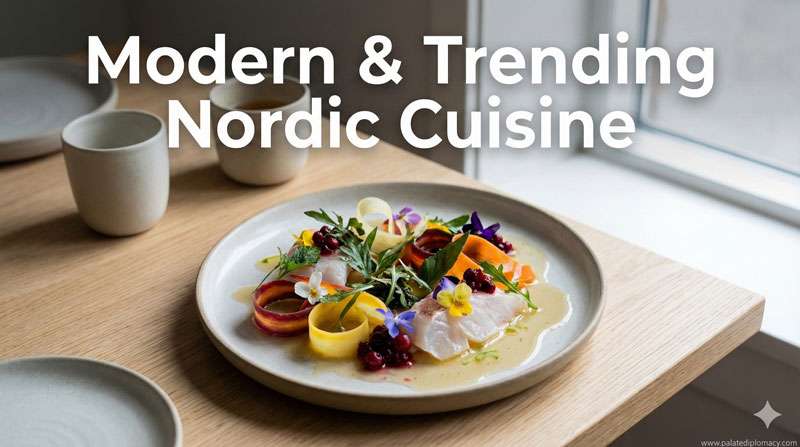
In this post, we explore why “Why New Nordic Cuisine Plates Is One of the Most Loved Nordic Dishes” Stands Out for its cultural value and culinary significance. This dish embodies a deep respect for place, season, and craft. It invites diners to notice how a plate can tell a story about land, sea, and hands that shape food with care.
The Heartbeat of Place on a Plate
New Nordic cuisine plates celebrate the seasonal cycle with clarity. They highlight the moment when crops are ripe, fish arrive fresh from nearby waters, and foraged greens peek from hedges and forests. Each plate becomes a small map of a region’s climate, soil, and harvest. In this way, the dish acts as a seasonal ritual, inviting guests to honor the food’s origin and the people who gathered it. This strong sense of place creates a shared cultural memory, shaping how Nordic diners perceive their own landscape.
A Dialogue Between Tradition and Innovation
The dish sits at the intersection of tradition and modern technique. It honors time-tested methods like preservation, fermentation, and smoke, while embracing contemporary culinary methods that showcase precision and balance. Chefs transform humble ingredients through careful temperatures, textures, and contrasts. The result is a plate that feels familiar yet fresh. This dialogue between old and new keeps Nordic cuisine dynamic, inviting both longtime fans and curious visitors to experience a living culinary culture.
Simplicity with Striking Clarity
What makes New Nordic cuisine plates so loved is their clarity. The flavors are clean, bright, and true to their sources. There is no excess ornament; instead, each component earns its place. Plate design emphasizes color, line, and form, guiding the eye to the heart of the ingredient. The simplicity is not plain; it is purposeful. This restraint reflects a cultural value that quality and honesty in ingredients matter more than showmanship.
The Craft of Texture and Balance
Texture plays a central role in these dishes. Crunch meets tenderness, warmth contrasts with cool notes, and a gentle acidity elevates the whole experience. Nordic cooks experiment with light pickling, subtle fermentation, and delicate foams or emulsions to heighten interest without overpowering the ingredient’s natural character. The care given to texture mirrors a broader respect for balance in Nordic life—where harmony among elements yields a satisfying, memorable bite.
Foraging, Farming, and the Local Pantry
A key cultural thread is the emphasis on local abundance. Foraging brings forest greens, sea herbs, and wild berries into the kitchen, connecting diners with nearby ecosystems. Farmers’ markets supply roots, grains, and dairy that anchor plates in regional abundance. This focus cultivates a sense of stewardship and pride in local producers. The dish thus becomes a celebration of regional pantry treasures and the daily work behind them.
Storytelling Without Words
Each plate communicates a story of place and season without heavy narration. The ingredients themselves tell the tale: where they grow, how they are harvested, and the relationship between land and sea. Diners engage in a moment of storytelling through taste, aroma, and presentation. This form of culinary storytelling strengthens social rituals around meals, turning eating into a shared cultural experience rather than a simple act of nourishment.
A Philosophy of Sustainability
The culinary philosophy behind these plates includes mindful sourcing, minimal waste, and respectful use of resources. Chefs design menus to honor what is abundant in the moment, while preserving options for the future. This sustainability ethos resonates beyond the kitchen, influencing restaurant culture and dining expectations. It reinforces a cultural pride in responsible stewardship of the natural world.
The Social Joy of Nordic Dining
New Nordic plates are often enjoyed in settings that emphasize conversation and connection. The pacing of courses invites reflection and dialogue, turning meals into social events that strengthen community ties. The focus on seasonal ingredients invites guests to share knowledge about harvests, recipes, and regional customs. This social cohesion is a bright cultural thread that many diners value highly.
A Bridge Between Land and Sea
The dishes frequently blend land and sea elements in harmonious ways. This balance mirrors a long-standing Nordic respect for both rivers and coastlines. By pairing vegetables with seafood, the plate showcases how diverse ecosystems can coexist on a single table. The result is a versatile cuisine that speaks to a broad audience while staying true to its Nordic roots.
A Model for Global Palates
Though rooted in Nordic soil, these plates speak a universal language of clarity, generosity, and balance. They welcome open minds and curious palates, inviting people around the world to discover how simple, well-sourced ingredients can create complex joy. This global appeal strengthens the dish’s cultural significance by sharing a Nordic approach to eating that feels welcoming and accessible.
The Quiet Beauty of Plating
Finally, the aesthetic of the dish deserves praise. Plating is thoughtful and restrained, letting the ingredients shine. The visual arrangement invites slow appreciation, encouraging diners to notice color, form, and texture. This quiet beauty mirrors a broader Nordic appreciation for nature’s elegance and the belief that beauty on the plate enhances the dining experience.
In closing, why New Nordic cuisine plates are among the most loved Nordic dishes lies in their ability to fuse place, craft, and humility. They honor season and local producers, tell stories through taste, and celebrate the shared joy of dining. The dish becomes more than a meal; it is a cultural practice that invites respect for nature, gratitude for skill, and delight in thoughtful flavors.