
Introduction
What Makes rice and beans so special in Nigeria? It is a dish that speaks softly but clearly of home, hospitality, and everyday joy. In kitchens across the country, this pairing appears at breakfast tables, lunch buffets, and comforting dinners alike. It is a staple that travels through families and neighborhoods, carrying color, aroma, and shared memories. The dish blends humble ingredients into something bright, nourishing, and memorable. Its beauty lies not only in taste but in How It anchors social moments, rituals, and daily life.
The Core Combination: Rice and Beans
At its most basic, rice and beans pairs fluffy, cooked rice with tender beans. Yet the real magic happens in the way flavors mingle. Beans—often cowpeas, also called black-eyed peas in Nigeria—provide gentle creaminess and a protein-rich backbone. Rice offers a neutral, forgiving canvas that soaks up spice, heat, and sweetness. The result is a balanced, satisfying plate that can lean savory, smoky, or bright with fresh herbs and tomatoes. This harmony makes the dish endlessly adaptable: one pot, two simple ingredients, countless expressions. The dish invites cooks to improvise, which is a hallmark of its enduring appeal.
The Soul of the Kitchen: Cultural Value
Rice and beans embodies the heart of Nigerian cooking: resourcefulness, warmth, and shared abundance. It is a food that travels easily from humble homes to larger gatherings, always with the same welcoming spirit. The aroma alone signals care and affection. In many households, the dish is prepared when family comes together after a long day, or when friends drop by for a quick visit. It stands as a quiet celebration of everyday life—no ceremony required, just good food and good company. The dish also teaches the value of balance: a simple, affordable base can deliver comfort, nutrition, and delight in every bite. This balance mirrors the daily rhythms of Nigerian life, where family, work, and community converge around a shared table.
Regional Voices: How Nigerians Make It Their Own
Across regions and communities, cooks put a personal stamp on rice and beans. In the south, palm oil often lends a warm, reddish hue and a gentle, fruity depth that lingers on the palate. Onions and tomatoes bring brightness, while peppers add a comforting kick. In other parts of the country, spices and seasonings are adjusted to reflect local tastes, with herbs, crayfish, or dried fish added to deepen umami. Some kitchens favor a one-pot method, where rice and beans simmer together with stock and spices. Others prepare the beans separately and fold them into the seasoned rice at the end. The result is a mosaic of textures and flavors, each plate echoing a region’s preferences without losing the dish’s unifying character. This flexibility makes rice and beans both a shared symbol and a personal expression, as unique as the cook who prepares it.
Techniques That Elevate Flavor
Attention to technique helps rice and beans shine. Start with good beans and rice choices; cowpeas are favored for texture and nutrition, and long-grain rice is widely used for its separate, fluffy grains. Soaking beans briefly can shorten cooking time and improve texture. Some cooks parboil rice to reduce stickiness, then finish it with a gentle simmer. In many kitchens, the base uses palm oil for a rich, reddish sauce, gently sautéed onions, and a glaze of tomatoes or pepper sauce. Crayfish or dried fish can be added for a subtle sea scent and extra depth. Salt, stock, and a touch of sweetness from tomato or bell pepper balance the savoriness. The final step often involves layering the flavors: a pot of seasoned beans held warm, a pot of rice cooked to light fluffiness, and a peppery, tomato-rich sauce that ties them together. The beauty of these techniques lies in their simplicity and their ability to bring out the natural goodness of each ingredient.
Pairings, Garnishes, and Serving Traditions
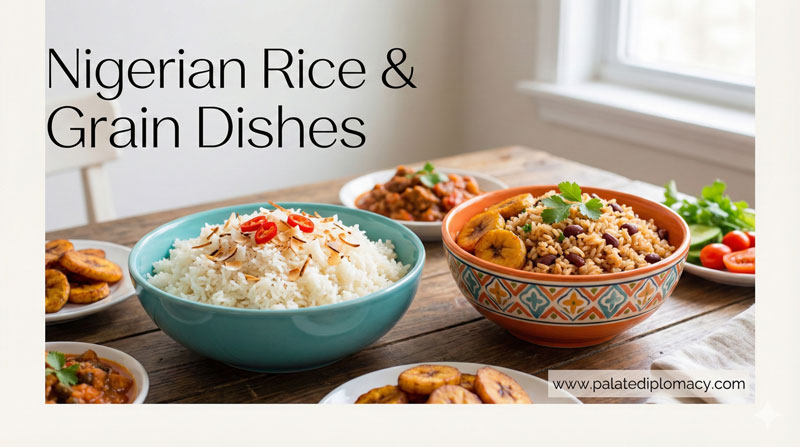
Rice and beans is a canvas for accompaniments that elevate the meal. Fried plantains, known as dodo, offer a sweet contrast to the savory base. A crisp cabbage or carrot salad adds a fresh counterpoint and color. Fried fish or a simple doughnut of plantain can appear as a protein partner on busier days. A side of shredded vegetables or a light tomato relish adds brightness and texture. Garnishes like chopped fresh herbs, sliced chili, or lime wedges bring a finishing lift that makes each mouthful feel intentional. The dish also shines with a touch of crunch from fried onions or toasted nuts, giving it a layered texture that delights the palate. In homes and markets alike, rice and beans is an adaptable dish that invites cooks to pair it with what’s at hand, enhancing both flavor and presentation.
Everyday Moments and Special Occasions
This dish lives in the heart of daily life and in moments of celebration. On ordinary days, it is a reliable, comforting meal for busy households. On weekends or during family gatherings, it becomes a larger pot shared among neighbors and friends, turning a simple dinner into a social event. The beauty of rice and beans is that it fits both ends of the spectrum: modest enough for a quick weeknight supper, yet generous enough to shine at a larger table. Its role in Nigerian food culture is rooted in hospitality and practicality, two values that sustain communities. Whether served with a light sauce or a robust stew, rice and beans always invites conversation, laughter, and connection around the table.
Keeping the Dish Accessible: Simpler and Richer Versions
One of the dish’s greatest strengths is its accessibility. With pantry-friendly ingredients, it can be prepared on a tight budget or dressed up for a festive meal. For a simple version, cook rice and gently simmer seasoned beans, then mix with a light pepper sauce. For a richer version, sauté onions in palm oil, add tomatoes and peppers, fold in the beans, and finish with a splash of stock and a pinch of crayfish for depth. Regional tweaks might include adding smoked fish, scallions, or fresh herbs. The core idea remains the same: a harmonious pairing that is easy to pull together, yet endlessly adaptable. By keeping the dish approachable, it remains a reliable centerpiece for many Nigerian kitchens.
The Experience: Flavor, Texture, and Memory
In every bite, rice and beans offers texture and memory. The rice provides a soft, slightly fluffy bite, while the beans contribute a creamy tenderness. Spices and oils weave warmth through the plate, creating a comforting and inviting aroma that lingers. The memory of watching steam rise from the pot, the clink of spoons on a shared plate, and the smile of family members as they take their first bite—these are the intangible flavors that make the dish beloved. It is dessert for the soul as well as nourishment for the body. The dish teaches patience, care, and the joy of improvisation—values that resonate beyond the dinner table.
Conclusion
Rice and beans stands out in Nigerian food culture because it embodies accessibility, warmth, and adaptability. It is a dish that welcomes everyone to the table and invites them to linger a little longer in conversation and comfort. Its cultural value grows with every family recipe, festival gathering, and everyday meal that honors two simple ingredients turned into something memorable. If you want to experience the heart of Nigerian home cooking, start with rice and beans: a dish that is humble in origin, rich in flavor, and endlessly gracious.