
Top Reasons Nigerians Love Eating Egusi Soup
Egusi soup sits at the heart of Nigerian Food Culture. It is more than a meal; it is a gesture of welcome, care, and shared joy. People reach for egusi soup because it speaks to warmth, connection, and daily celebration. The Top Reasons highlight how the dish blends culture with craft, creating a dining experience that most Nigerians recognize and treasure. First, egusi is a symbol of hospitality. When a pot is placed on the table, it signals that guests are valued and meals are for togetherness. Second, the soup offers a comforting richness. The ground melon seeds give body and creaminess that feels satisfying, even on a simple weekday. Third, egusi adapts easily. Home cooks tailor it with meat, fish, greens, or pepper to fit the occasion and pantry. Fourth, it honors technique. The gradual simmer and careful stirring reward patience and skill, two traits celebrated in kitchens across the region. Finally, egusi connects generations. Recipes travel through families, with each cook adding a personal touch while preserving a shared culinary language.
What is Egusi Soup?
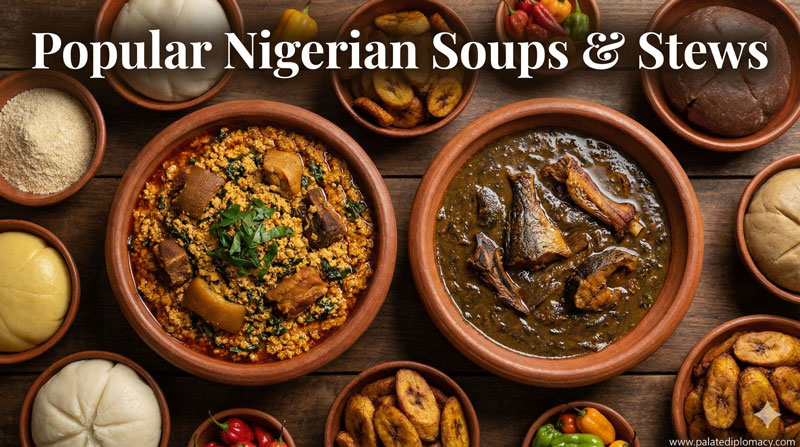
Egusi soup is a thick, flavorful dish made from ground melon seeds (egusi) blended with palm oil, leafy greens, and a mix of proteins such as meat or fish. The seeds lend a nutty, creamy texture that anchors the soup’s body. Palm oil gives depth and a bright hue, while peppers add warmth and brightness. Greens like ugwu (pumpkin leaves) or spinach brighten the bowl and add a fresh, slightly bitter contrast. The result is a versatile, hearty soup that can stand alone with a starchy side. This combination makes egusi a go-to for quick weeknight dinners and for more elaborate meals alike. The method is approachable: simmer, stir, and adjust until the flavors balance, then serve with fufu, pounded yam, or garri. The dish invites you to taste layers in every bite.
The Textures and Aromas That Define It
Egusi soup delights the senses through texture and aroma. The seeds create a creamy, slightly granular mouthfeel that coats the tongue in a rich layer. Palm oil adds a velvet gloss and a savory finish, while peppers deliver a gentle heat and brightness. The greens contribute a fresh bite that cuts through the richness, keeping the dish lively rather than heavy. Aromas rise as the pot simmers: roasted seeds, simmering meat, sizzling oil, and the scent of greens wilting into the broth. Each element supports the others, producing a balanced flavor profile. Clear transitions happen from first spoonful to last, as the dish advances from mellow to vibrant with the infusion of spices and greens. The result is comforting yet bright, inviting another bite.
Shared Tables, Warm Hospitality, and Community
Egusi soup is woven into the daily and ceremonial fabric of Nigerian life through meals shared with family and friends. The act of gathering around a pot signals care and inclusion. It is common for relatives to contribute ingredients, join in the cooking, and discuss the day while the soup simmers. The serving style reinforces community, as people eat together, using fingers or spoons to scoop the soup over a mound of fufu or pounded yam. This communal eating reinforces social bonds and creates memory. The dish travels across households, with hosts often adding their signature touches to welcome guests. In this way, egusi is not just food; it is a social ritual that preserves a sense of belonging and shared tradition.
Regional Variations and Techniques
Across Nigeria, egusi soup reflects local flavors and techniques. Some cooks enrich the dish with okra for a velvety texture, while others rely on a mix of leafy greens for color and bite. The choice of protein—beef, goat, fish, or a combination—shapes the soup’s depth. Spices and seasonings vary by region, offering brighter heat or subtler warmth. Techniques range from slow simmering to careful emulsification, where cooks whisk or stir to achieve a cohesive, creamy body. Regardless of the variation, the core concept remains: ground melon seeds form the foundation, supported by palm oil, greens, and proteins. This adaptability showcases the culinary creativity that thrives in Nigerian kitchens, while preserving the soul of egusi soup.
Pairings: The Swallow Tradition
Egusi soup commonly pairs with starchy “swallows” that are hallmark features of Nigerian dining. Pounded yam provides a smooth, buoyant vehicle that soaks up the soup’s richness. Fufu, made from cassava or plantain, offers a slightly elastic texture that complements the creaminess of egusi. Garri, a light, granular option, gives a contrasting feel that enhances the overall mouthfeel. The pairing invites diners to craft bites that balance creamy, starchy, and savory elements. The ritual of tearing off a piece of swallow, rolling it, and dipping into the soup becomes a tactile, comforting moment. This combination highlights how texture and technique work in harmony to define the eating experience.
Celebrations, Everyday Meals, and Generational Harmony
Egusi soup shines in both everyday meals and special occasions. On ordinary days, it provides reliable comfort and nourishment, while on celebrations it doubles as a centerpiece that brings people together. In gatherings, it often accompanies dishes that highlight sharing and generosity. Recipes are passed down with pride, and cooks add small refinements that reflect family stories and preferences. The dish thus serves as a bridge between generations, letting grandparents teach hands-on skills to younger cooks while preserving traditional flavors. This continuity sustains a living memory of food culture and reinforces respect for caregivers and cooks who keep the kitchen alive with care and pride.
Craft, Care, and Accessibility in the Kitchen
The beauty of egusi soup lies in the care behind its making. A good pot reflects attention to timing, heat, and balance of ingredients. Households may source fresh greens, select the right cut of meat, and grind seeds to achieve the desired texture. The process honors patience and precision, yet remains accessible to home cooks who start with simple steps. Accessibility matters because it allows many households to participate in the tradition, creating a shared experience across generations. The dish remains practical for busy days and celebratory moments alike, making it a dependable anchor in Nigerian kitchens.
Conclusion: A Daily Celebration of Flavor and Culture
Egusi soup embodies the artistry and warmth of Nigerian cooking. It blends texture, aroma, and color into a dish that invites conversation, sharing, and family connection. Its cultural value springs from its adaptability, its role in hospitality, and its capacity to unify people around a common table. Whether enjoyed at a casual family dinner or a festive gathering, egusi soup remains a timeless expression of taste, craft, and community. In every pot, you can sense a respectful homage to tradition and a bright invitation to future cooks to carry the flavors forward.