
Top Reasons Nigerians Love Eating Suya
Suya sits at The Heart of Nigeria’s street-Food Culture. It is more than a snack; it is a shared ritual, a quick feast after a long day, and a bridge between neighbors. The aroma pulls people to a stall. The first bite sparks conversation. The experience blends craft, flavor, and community. This post explores the cultural value and culinary significance of suya, focusing on why it holds a special place in Nigerian life.
A Flavor that Speaks: The Signature Yaji and Spice
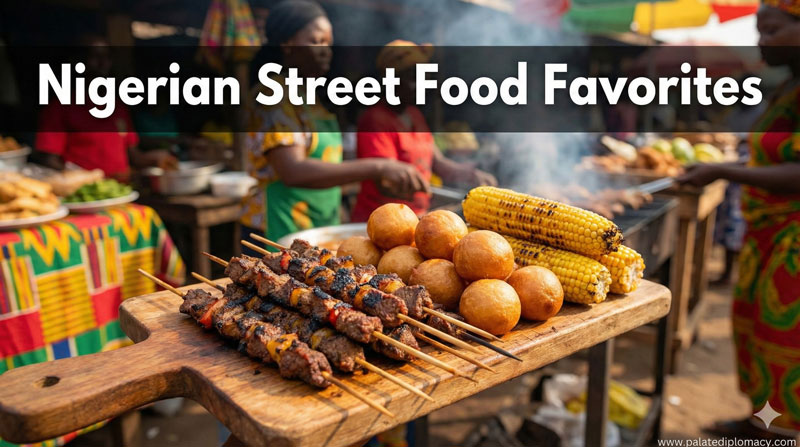
First, the taste of suya speaks in a language of heat, nuttiness, and depth. The spice rub, often called yaji, is a cornerstone. It combines roasted peanut powder, chili peppers, ginger, garlic, and salt, with subtle notes of onions and other aromatics. Next, the meat catches a light crust as it cooks. Then, the exterior turns crisp while the inside stays juicy. This contrast—crisp edges, tender center—creates a satisfying bite every time. Moreover, the flavor carries a familiar warmth that many Nigerians grew up savoring. Finally, the aroma lingers in the air, inviting friends and families to gather and share a moment.
The Grilling Craft: Fire, Skewers, and Skill
The craft of grilling suya is a quiet, practiced art. Skewers are prepared with care, and meat is threaded evenly to ensure uniform cooking. Charcoal flames provide a steady heat that brings out a rich, smoky note without overpowering the spice. Next, the vendor watches the flame and turns the skewers with rhythm. This careful timing locks in juices and forms a golden crust. The result is meat that tastes seasoned by smoke and skill, not by guesswork. In addition, the process is efficient and respectful of ingredients, turning simple meat into a memorable tasting experience.
Social Life and Shared Moments
Suya is inseparable from social dining. People come for the scent, stay for the company. Families stand together near a busy stall, sharing stories as the meat cooks. Friends catch up, strangers become neighbors over a plate and a few laughs. This social warmth is a daily ritual in many communities. Next, suya often appears at late-night markets, game-day gatherings, and casual street corners, turning a quick bite into a moment of connection. Finally, the act of sharing a plate or a few skewers reinforces a sense of belonging and communal joy.
Regional Diversity: Beef, Goat, Chicken, and Personal Touches
Nigeria’s regions bring subtle but meaningful differences to suya. Beef suya remains classic and widely loved, offering a robust bite. Goat suya tends to be a touch more fragrant and silky, with a slightly gamey depth that many enjoy. Chicken suya appears lighter, bringing a different texture and quicker cooking time. Additionally, spice intensity and the level of char can vary by vendor and region, letting each community put its own stamp on the dish. This regional range celebrates culinary diversity while keeping a shared core: a skewered, seasoned meat, cooked to perfection.
Everyday and Festive: Suya for Any Moment
Suya adapts to many settings. It fits a busy workday as a satisfying, portable meal. It suits a weekend gathering as a centerpiece around which people linger. It can accompany a simple sauce and fresh onions, or pair with festival foods at larger events. The flexibility of suya Makes It a reliable choice for both everyday meals and special occasions. This versatility adds to its appeal, ensuring that the dish remains accessible to many while still feeling special.
The Heart of the Craft: Vendors, Preparation, and Respect
Behind every plate of suya is the skill and care of the vendor. The best suya stalls value cleanliness, consistency, and a respectful pace. They honor the ingredients by handling meat properly, maintaining clean grills, and balancing spice with flavor. This respect for the craft helps sustain trust with customers who return week after week. It also supports a vibrant local economy, where small businesses play a vital role in neighborhoods. In this way, suya is not just food; it is a living tradition that honors people and craft alike.
A Living Tradition in Nigeria’s Food Culture
Finally, suya embodies a gentle unity within Nigeria’s diverse food landscape. It blends tradition with everyday life, offering a shared taste that can be enjoyed by people across ages and backgrounds. The dish invites people to slow down enough to savor aroma, texture, and conversation. It also invites curiosity—trying a new vendor, noticing a different spice nuance, or appreciating a technique learned from a neighbor. In all these small acts, suya strengthens cultural memory and daily joy.
If you seek a window into Nigerian culinary culture, look to suya. It is a dish that travels with a friendly aroma, a crisp bite, and a story that is told in every turn of the skewer. Through flavor, craft, and community, suya invites us to celebrate food as a shared, welcoming experience.