
Introduction
In this post, we explore the dish that many Nigerians reach for with a smile: suya. Titled “Top Reasons Nigerians Love Eating Suya,” this piece highlights its cultural value and culinary significance. Suya blends bold flavor with warm social moments, making it more than a meal—it’s a shared experience. You will notice how the spice, the smoke, and the craft come together to tell a story of hospitality and everyday joy.
What Is Suya?
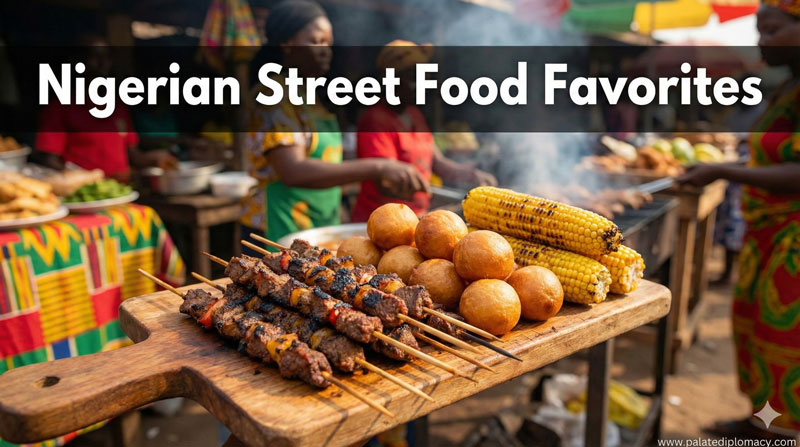
Suya is grilled skewered meat coated with a spicy peanut mix, often called yaji. Typical meats include beef, chicken, or goat, prepared with care and flame. The spice blend features ground peanuts, chili pepper, ginger, garlic, onions, and salt, stirred to a fragrant paste. The meat rests briefly in the flavors, then roasts over charcoal until the crust is crisp and the center tender. It is served hot, often with onions, fresh vegetables, and a squeeze of lime or lemon. The result is a dish that looks simple, yet carries depth in every bite.
Reason 1: Unforgettable Flavor and Aroma
The flavor is bold, balanced, and lively. Smoky notes meet a crunchy peanut crust, then warm spices surface on the palate. The aroma travels ahead of the bite, inviting curiosity and appetite. Each bite offers texture contrast: crisp exterior, juicy interior, and a nutty finish. The spice level can be adjusted, but the core charm remains: a savory, peppery, nutty harmony that lingers.
Reason 2: Social and Communal Experience
Suya shines in social settings. Markets, street corners, and family gatherings become gathering spots when suya is present. Friends share skewers, pass around plates, and swap stories while the meat cooks. The act of gathering around a grill creates connection, rhythm, and a sense of welcome. This communal vibe is a key part of why it endures in Nigerian Food Culture.
Reason 3: Craft and Skill in Preparation
Behind every perfect skewer lies careful technique. Vendors balance flame, timing, and turning to ensure even cooking. The peanut crust must cling without burning, the meat must remain juicy, and the spice must flavor without overpowering. The craft shows in the crust’s crunch, the meat’s tenderness, and the clean finish on the palate. Even home cooks bring a touch of this skill to family dinners, transforming a simple ingredient into a memorable dish.
Reason 4: Regional Diversity and Versatility
Across Nigeria, suya adapts to local tastes. Some cooks favor beef, others lean toward goat or chicken, and a few offer offal options. Spice intensity can vary, offering milder or hotter experiences. Regional accompaniments also differ, from fresh onions and tomatoes to cucumber slices or pepper sauce. This diversity allows suya to travel from quick street snacks to sit-down meals, while always preserving its essence.
Reason 5: Accessibility and Everyday Joy
Suya is widely available and approachable. Street vendors and markets bring it to busy days and relaxed evenings alike. The price point often Makes It an affordable pleasure, suitable for a quick snack or a longer tasting session with friends. Its accessibility invites experimentation—home cooks can try different meats, spice blends, and finishing touches. In daily life, suya offers a reliable moment of comfort and delight.
Conclusion
The charm of suya lies in its robust flavor, its smoky aroma, and the warmth of shared moments around the grill. It represents more than a dish; it embodies hospitality, craft, and regional variation that enrich Nigerian food culture. By savoring suya, you join a tradition that honors good company, careful seasoning, and the joy of cooking over fire. Whether enjoyed on a bustling street or at a family table, suya invites curiosity and respect for the artistry of Nigerian cuisine.