
Top Reasons Nigerians Love Eating Egusi Soup
Egusi soup stands as a beloved staple on many Nigerian tables. It is more than a meal; it is a shared experience that highlights color, texture, and warmth. In this post, we explore the cultural value and culinary significance of egusi soup, focusing on what makes it a favorite across the country. The goal is to celebrate the dish as a living part of everyday life and festive moments alike.
A Quick Look at Egusi Soup
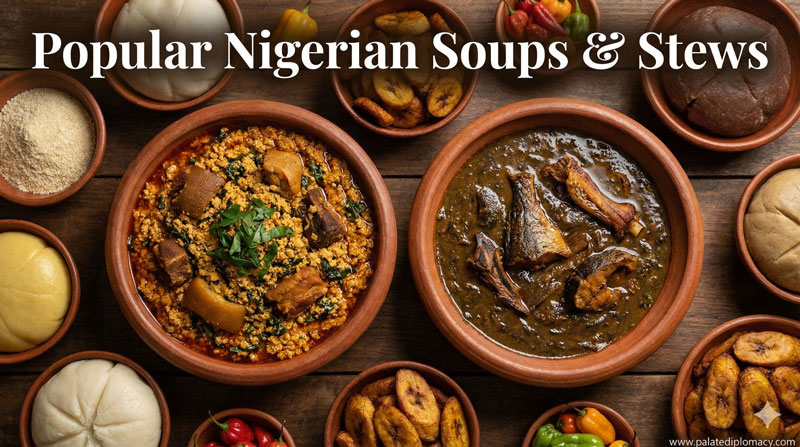
Egusi soup centers on ground melon seeds, known as egusi. These seeds blend with palm oil to form a creamy, nutty base. Cooked with meat or fish, then thickened with greens, egusi offers a balance of richness and brightness. The dish travels from homely kitchens to celebratory gatherings, adapting to regional tastes while keeping its core identity. This versatility helps explain why it endures in households across Nigeria.
The Signature Texture: Nutty, Creamy, and Rich
The texture of egusi soup is its first invitation. Ground egusi seeds melt into a velvety, slightly granular body that coats each bite. Palm oil adds a glossy, orange hue and a distinct, mellow sweetness. The result is a sauce that is both creamy and substantial. When the fish, meat, or crayfish soak into this base, the sauce gains even more depth. The mouthfeel invites lingering, which is a hallmark of a dish many families save for The Best moments.
Harmony of Ingredients: Meat, Fish, and Green Leaves
Egusi soup shines because it combines contrasts. Tender meat or smoky fish bring savory depth, while stockfish or dried shrimp add a concentrated savor. Crayfish introduces a bright, oceanic note. Then comes the greens—spinach, ugu (pumpkin leaves), or bitter leaf—each contributing its own aroma and a pop of color. The mix creates a balanced plate where the nutty base, the savor of seafood or meat, and the fresh greens harmonize in every spoonful.
The Swallow Connection: How It Nourishes the Table
In Nigerian Food Culture, egusi soup is often enjoyed with a swallow—fufu, pounded yam, or garri. Diners tear a piece of swallow, dip it into the soup, and scoop up a bite. This practice makes the meal interactive and communal. The swallow acts as a neutral partner that lets the flavors of egusi shine. Together, they form a comforting rhythm that families repeat week after week.
Culture of Gatherings: Meals with Family and Friends
Egusi soup brings people together. On weekends and holidays, cooking egusi becomes a shared activity. Families gather to prepare the ingredients, check the pot, and tell stories as the aroma fills the home. The dish’s warmth invites conversation, laughter, and a sense of belonging. In this way, egusi is both food and invitation—an unmistakable part of daily life and celebrations.
Regional Threads: Yoruba, Igbo, Hausa Inspirations
Across Nigeria, egusi soup travels through different culinary threads. In many Yoruba kitchens, egusi sits beside leafy greens and varied meats, often seasoned with local peppers and herbs. Among the Igbo and other southern communities, ugu or spinach may take center stage, offering a bright counterpoint to the nutty base. In northern areas, crayfish and certain spices may be emphasized to suit regional palates. Despite these shades, the dish remains a shared symbol of nourishment, imagination, and skill in the kitchen.
Crafting the Dish: Techniques that Nigerians Master
Mastery shows in the process. People toast palms oil to unlock a richer aroma, then grind or blend the egusi seeds into a paste for smoothness. The paste is whisked into hot stock and simmered to thicken. Constant gentle stirring prevents lumps and helps the sauce cling to the swallow. Seasoning builds gradually with pepper, salt, and seasoning cubes, followed by meat and fish additions. This sequence—prep, paste, simmer, adjust—embodies careful, patient cooking.
Colors, Aromas, and the Feeling of Home
Egusi soup greets the senses with a warm, glossy surface. The color shifts from pale gold to deep amber, depending on palm oil and seasoning. The aroma is earthy, nutty, and inviting, with a hint of pepper and the sea from the fish. The appearance and scent signal a table that is ready for sharing. This sensory appeal reinforces the dish’s place as a comfort food across households.
Enduring Appeal: Why It Remains a Favorite
Several factors keep egusi soup at the forefront of Nigerian cuisine. It offers rich flavor without sacrificing flexibility. It welcomes a variety of ingredients, so families can adapt to what is available. It also supports social meals, turning cooking into a warm, collaborative activity. Finally, egusi soup is approachable for newcomers yet respected by cooks who seek depth. All of these elements together explain why Nigerians love eating egusi soup.
If you’re new to this dish, start with a simple version: egusi paste, palm oil, a choice of meat or fish, greens, and a balanced heat from peppers. Then experiment with different greens or proteins to discover your preferred combination. In any form, egusi soup remains a celebration of flavor, culture, and the joy of sharing a meal.”