
Introduction: Suya in Nigerian Culture
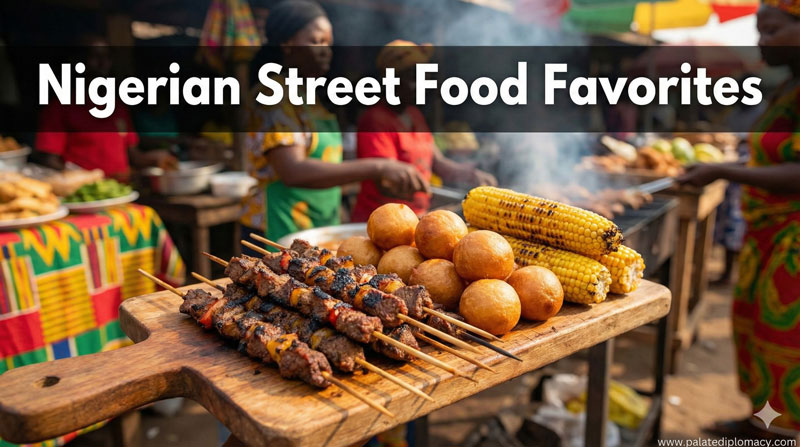
Suya is A Beloved grilled skewer that sits at the heart of Nigerian cuisine. It travels from busy market stalls to quiet family kitchens, carrying a sense of shared moments. The aroma rises with the flame, inviting conversation and a pause from daily pace. Suya blends simple ingredients with careful technique, creating a dish that feels both everyday and special. In this post, we explore the cultural value and culinary significance of suya in Nigeria, celebrating its beauty and place in Food Culture.
A Social Favorite: Community and Hospitality
Firstly, suya shines as a social food. Vendors, neighbors, and friends gather around a grill, exchanging smiles and stories as meat roasts. Next, the stall becomes a small gathering place where people line up, chat, and choose their skewers with care. Suya promotes hospitality through sharing: offering a bite to someone nearby is a friendly gesture that welcomes others to join the moment. In this way, suya acts as a bridge between cooks and communities, reinforcing warmth, generosity, and connection.
The Spice and the Rub: Crafting Suya
Moreover, the spice rub is the essence of suya’s character. The traditional mix blends ground peanuts, chili pepper, paprika or pepper spice, and a delicate balance of herbs. The peanut base adds nutty depth, while the heat lifts the aroma. Cooks apply the rub with care, letting it cling to the meat before roasting. The result is a fragrant crust that forms as the skewer sears over the charcoal. This craft is a cherished skill, often honed by generations of street vendors and home cooks alike.
The Grill: Fire, Smoke, and Texture
Additionally, the grill process defines suya’s texture and mood. Meat cooks over open flame, collecting a light char and a smoky kiss. Skewers turn slowly to ensure even cooking and a consistent crust. The sizzle and crackle as the meat meets the heat tell a story of patience and attention. The smoky aroma draws people in and signals a moment of communal enjoyment. The texture—crisp exterior with juicy interior—offers a satisfying contrast that many food lovers seek.
Flavor and Pairings: A Rich Palate Experience
Furthermore, suya delivers a bold, balanced palate. The spice brings warmth and brightness, while the peanuts offer a subtle sweetness and nuttiness. The meat remains tender, letting the spices sing without overpowering the natural flavor. Onions and fresh tomatoes are common accompaniments that brighten the plate and refresh the palate. A cool drink or light sides often completes the experience, making suya feel bright, lively, and inviting.
Moments and Occasions: When Nigerians Reach for Suya
Also, suya fits many moments in daily life. It appears as a late-night snack after work, a quick stroll through a market, or a lively addition to a family gathering. Festivals and street fairs showcase suya alongside other foods, celebrating craft and taste in public spaces. The versatility of suya means it can be a casual treat or a centerpiece for a small celebration, always inviting people to pause, savor, and share.
Tradition and Innovation: Suya in Modern Kitchens
Finally, tradition remains the backbone of suya, even as modern cooks explore new ideas. The core concept—quick roasting with a bold spice—stays constant. At the same time, chefs experiment with pepper blends, new marinades, or plant-based options to suit evolving tastes. This balance of heritage and creativity keeps suya fresh while honoring its origins. The result is a dish that travels well—from street grills to contemporary tables—without losing its authentic voice.
Conclusion: The Enduring Allure of Suya
In summary, suya holds a revered place in Nigerian food culture. It is more than a tasty snack; it is a social spark, a craft passed down through hands, and a celebration of fire, flavor, and friendship. Its appeal lies in the harmony of spice, smoke, and shared moments. For Nigerians, suya embodies hospitality, skill, and joy found around the grill. The dish remains a vibrant, welcoming thread in the tapestry of Nigerian cuisine.