
Introduction: Top Reasons Nigerians Love Eating Suya
Suya is more than grilled meat. It is a beloved emblem of Nigerian Food Culture. The aroma rises first, drawing people to stalls and street corners. Then the taste wins The Heart. Nigerians reward the senses with a spice mix that is both bold and comforting. This post explores the cultural value and culinary significance of suya. It highlights why many people reach for it with joy and pride. The Story of suya is the story of shared meals, brisk conversations, and moments of hospitality that mark daily life.
The Craft: Skill in Fire and Spice
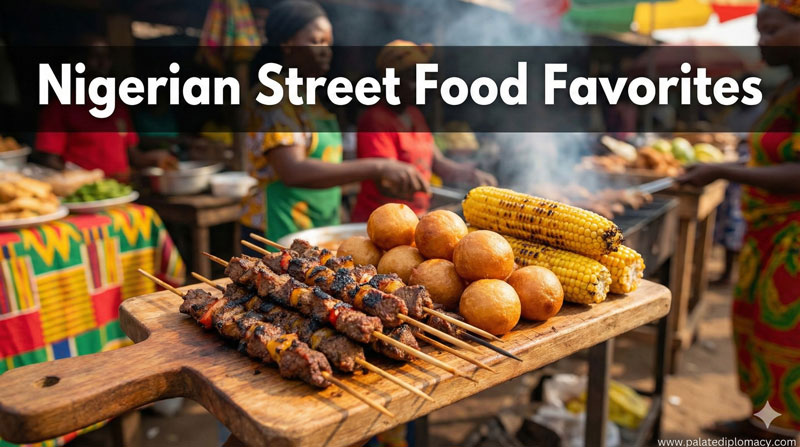
Suya shines because of careful craft. Vendors select fresh cuts of meat and cut them into uniform pieces. The meat is threaded onto skewers with balance and rhythm. A dry spice rub coats each piece. The mix features roasted peanuts, pepper, ginger, garlic, and onion, among other aromatics. Pepper heat is tuned, not random. Sturdy charcoal flames seal the surface and lock in juices. The result is a crisp exterior and a tender interior. Every bite carries the labor of skilled hands and patient timing. This craftsmanship elevates a simple snack into a moment of artistry.
The Flavor Equation: Heat, Nut, and Smoke
Flavor is the heart of suya. The peppery heat awakens the palate without overwhelming it. A nutty peanut backbone adds depth and a natural sweetness. A touch of salt brightens the profile. Smoke from the grill carries the aroma through the air and into memory. The spice rub creates a coating that crackles as you bite. The combination of smokiness, nuttiness, and heat is instantly recognizable. The taste lingers in a pleasing way, inviting another bite and another conversation about flavor.
The Social Scene: Suya as a Gathering Point
Suya brings people together. It appears at bustling markets, quiet street corners, and lively night spots. Friends meet for a quick bite after work. Families share skewers during weekend strolls. The act of ordering, sharing, and savoring becomes a social ritual. Because suya is easy to share, it naturally sparks conversation. Participants swap tips on spice balance, tenderness, and timing. The social energy around suya reinforces a sense of community and belonging.
Accessibility and Versatility: Suya for Many Palates
One aspect of suya’s appeal is its versatility. Beef and lamb remain classics, yet chicken and fish offer lighter options. Some stalls offer vegetables or plant-based analogs for variety. The portions are generous, making it ideal for group snacking or a quick solo indulgence. Suya works at any pace: a fast street bite or a lingering tasting session. Its affordable appeal helps it reach a broad audience while preserving a sense of quality and craft.
Regional Flair: Suya Across Nigeria
Different regions bring their own touch to suya. In bustling cities, the spice balance can lean toward a sharper heat. In townships with strong peanut traditions, the rub may lean nutty and creamy. Local vendors adapt to available ingredients and tastes while keeping core elements intact. This regional variety adds richness to the dish’s identity. Yet the shared love for charcoal, spice, and communal eating remains constant across places.
The Ritual of Sharing: Hospitality Wrapped in Skewers
Sharing suya embodies hospitality. Guests welcome one another with a plate or a handful of skewers. Conversations drift from flavor to memories of family meals and street markets. The rhythm of compliments—on tenderness, juiciness, and aroma—binds people together. This ritual reinforces cultural values around generosity and togetherness. Suya becomes a small ceremony that honors everyday life and social bonds.
Culinary Significance: Tradition Meets Modern Taste
Suya holds a place at the intersection of tradition and contemporary food culture. It preserves techniques of grilling, spice blending, and meat preparation passed through generations. At the same time, it adapts to modern tastes with new spice twists, toppings, and serving styles. The dish remains relevant because it speaks to both heritage and curiosity. It invites new tasters to learn, enjoy, and carry forward a living culinary tradition.
Enduring Appeal: Why Suya Remains Loved
Core reasons for love of suya are enduring. First, the scent and texture captivate the senses. Second, the spice blend creates a memorable, repeatable flavor. Third, the social setting makes eating suya a daily celebration. Fourth, its adaptability means it fits many moments—from quick lunches to late-night chats. Taken together, these factors explain why suya holds a special place in Nigerian food culture.
Conclusion: A Dish That Speaks to the Heart
Suya is a celebration of charcoal, spices, and shared meals. It honors craft, invites conversation, and nourishes community. Nigerians honor suya not just for taste, but for the experiences it creates: the bustle of a market, the warmth of hospitality, and the storytelling that happens over a plate. In this way, suya remains a timeless favorite—both a culinary treasure and a social treasure.