
Introduction: The Dish that Warms Nordic Kitchens
Across Nordic kitchens, cinnamon buns are more than pastry; they are a gentle ritual that welcomes daylight, conversation, and everyday comfort. In this post, we explore “Top Reasons Nordic Locals Love Cinnamon Buns” for their cultural value and culinary significance. The treat blends simple ingredients into a symbol of care, patience, and shared delight. Its charm lies in the quiet confidence of a well-made bun and the stories that rise with every bake.
A Dish of Warmth and Craft
The cinnamon bun is built on two quiet acts: patient dough work and a fragrant filling. The dough comes together with flour, milk or water, yeast, butter, and a touch of sugar. It rests and rises, gaining lightness with each pause. Meanwhile, the filling blends cinnamon with sugar and butter, a spice duet that awakens the senses. When the dough is rolled, spread, and rolled again into a spiral, the kitchen fills with an inviting scent. Finally, each piece bakes to a tender center and a gentle glaze or crust. The process mirrors Nordic values of craft, time, and attention to detail. The bun is not hurried; it is invited to become something warm and comforting.
The Craft Behind the Spiral: Dough, Filling, and Bake
The beauty of the cinnamon bun comes from balance. The dough should be soft but sturdy enough to hold its spiral. The filling should be evenly distributed so every bite carries cinnamon sweetness. A proper bake yields a moist interior with a delicate crackle on the outside. Technique matters, yet the result feels natural and welcoming. Bakers in Nordic homes often adjust sweetness and spice to local preference, but the core method stays consistent: roll, fill, roll again, cut, proof, bake. The result is a pastry that travels well from kitchen to table, carrying both ritual and flavor.
The Scent That Signals Welcome
A warm cinnamon bun fills a room with aroma before the first bite. The scent is not loud; it speaks softly of butter, spice, and sugar. This sensory cue signals a moment of pause and connection. In bustling mornings, a bun offers a reminder to slow down. In quiet afternoons, it invites a shared pause. The fragrance becomes part of the atmosphere, a cue that comfort is near. A well-made bun remains light and tender, with a fragrant, peppery kiss of cinnamon that lingers just enough to spark happiness.
A Ritual of Coffee and Conversation
In Nordic life, coffee or tea often accompanies a cinnamon bun, turning a simple snack into a social moment. The practice of pairing pastry with a hot beverage creates space for conversation and calm. This pairing is more than taste; it is habit, hospitality, and a small ceremony. Whether in a family kitchen, a café, or an office break room, the bun supports a pause that refreshes the senses and the mind. The routine is inclusive, inviting people of all ages to share a moment of warmth.
Regional Variations Across the Nordics
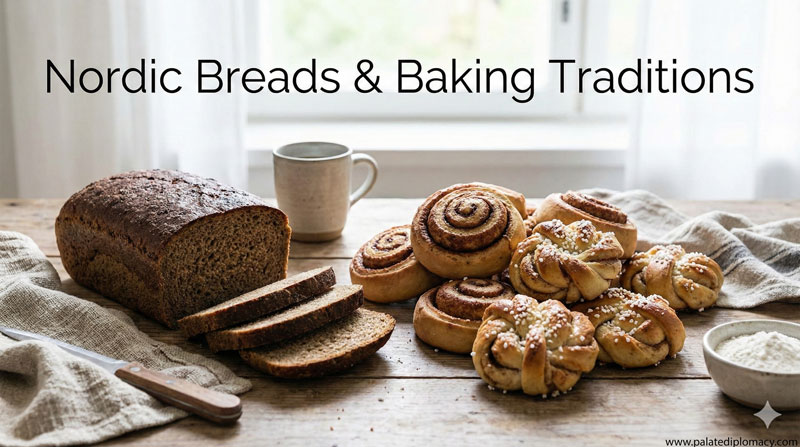
Nordic countries share a love for cinnamon buns, yet each region adds its own signature. In Sweden, the beloved kanelbulle is often rounded and perfectly spiral, with a soft crumb and a glossy glaze. Finland offers korvapuusti, whose name evokes a gentle pinching of the dough before it bakes; texture leans toward a slightly denser bite. Norway’s kanelsnegle and Denmark’s kanelsnegl bring subtle differences in spice balance and sweetness, reflecting local preferences and baking traditions. Across these variations, the common thread remains the same: a cinnamon-warmed pastry that invites company and conversation. These regional twists celebrate local ingredients and techniques while preserving the shared joy of a well-made bun.
Seasonal Rhythm and Year-Round Appeal
Cinnamon buns feel at Home in any season, yet they align beautifully with Nordic seasonal rhythms. In winter, they offer heartening warmth against cold days. In spring, their gentle sweetness complements fresh beverages and lighter gatherings. Advent and Christmas seasons often bring special touches, such as citrus zest or cardamom accents, but the core bun stays a staple year-round. This flexibility strengthens its cultural relevance. It is a common companion to daily routines and seasonal celebrations alike, a culinary thread that runs through many households.
A Bake That Bridges Generations
The cinnamon bun is a family passport to shared memories. Grandparents teach the rhythm of kneading and resting; parents pass down the exact fold and roll that yields the perfect swirl. Children learn to count the rises and watch the clock for the bake. In many homes, a cinnamon bun recipe travels across generations, carrying stories of early mornings, weekend gatherings, and the small moments that feel big in hindsight. This transmission—from one kitchen to another—keeps tradition alive. It invites younger cooks to tend to technique while preserving the comfort that a familiar aroma provides.
The Quiet Beauty of the Bun’s Simplicity
What Makes Top Reasons Nordic Locals Love Cinnamon Buns remarkable is their simplicity combined with depth. Simple ingredients—flour, yeast, butter, sugar, cinnamon—come together through patient technique. Yet the result is layered: a soft crumb, a warm spice, a delicate glaze, and a texture that melts on the tongue. The beauty lies in how a modest pastry can carry mood, memory, and meaning. It stands as a small, daily celebration that requires little formality but offers much warmth.
Conclusion: A Cultural Heartbeat in a Pastry
In the Nordic kitchen, cinnamon buns are more than a delight for the palate. They embody craft, patience, and care. They support social connection through shared rituals of coffee and chat. They reveal regional textures while maintaining a universal appeal: warmth, sweetness, and a sense of belonging. “Top Reasons Nordic Locals Love Cinnamon Buns” highlights a pastry that is humble yet meaningful, ordinary yet inspiring. It is a reminder that baking can be a quiet celebration of community, family, and everyday life.