
Introduction
In Nordic kitchens, pickled herring sits at the heart of many meals. The dish is humble, bright, and endlessly adaptable. It travels from pantry to table with ease, carrying the scent of brine, onion, and spice. This post invites you to explore the cultural value and culinary significance of pickled herring as it is cherished across the Nordic region. The goal is to understand why this simple preparation feels so closely tied to everyday life and festive occasions alike.
Craft and Preservation: The Art of Pickled Herring
The core idea is straightforward: capture the freshness of the catch and extend it with a thoughtful marinade. Local fish is cleaned, filleted, and laid in a seasoned brine. The brine blends vinegar or brine, salt, and a touch of sugar. Aromatics such as onion, dill, mustard seeds, and peppercorns often join the mix. Over time, the flavors mingle, and the fish takes on a crisp, bright tang. This process is both traditional and practical. It speaks to a long-standing respect for season and craft. People value the balance between salt, sour, and sweet, and they often adjust the profile to match the season or mood. The result is a versatile ingredient that can anchor a plate or stand out as a bold bite.
Cultural Significance Across the Nordic Table
Pickled herring is more than a recipe; it is a staple that shows up in many everyday moments and celebrations. It appears on breakfast boards, lunch spreads, and late-night snacks. It also joins special gatherings where family and friends share a simple feast. The dish embodies a sense of continuity, linking generations through a familiar scent and taste. In many homes, a jar of pickled herring sits near the condiments, ready to brighten a meal. Its presence on the table signals warmth, hospitality, and a shared sense of daily life. In this way, the dish acts as a quiet ambassador of Nordic table culture, reinforcing values of accessibility, seasonality, and thoughtful preparation.
Regional Variations and Personal Touches
Across the Nordic countries, variations reflect local preferences and pantry staples. In Sweden, you may find dill-scented sill paired with onions or mustard-forward versions that lend a mild peppery bite. The curry sill brings a different warmth, while onion-forward styles emphasize sweetness from the onions themselves. Norway often features mustard notes and clean brine, with additions like garden herbs that echo hillside markets. Denmark favors bright, crisp flavors and may lean toward milder brines that keep the fish delicate and approachable. Finland offers its own balance of tang and richness, sometimes pairing pickled herring with sour cream or creamy accompaniments to soften the sharpness. Iceland and other Nordic kitchens may blend in regional herbs and seasonal twists. What remains constant is a respect for bright acidity, crisp texture, and the ability to harmonize with other ingredients on the plate. Each variation invites cooks to bring a personal touch while keeping the essential character intact.
The Pairings That Elevate the Dish
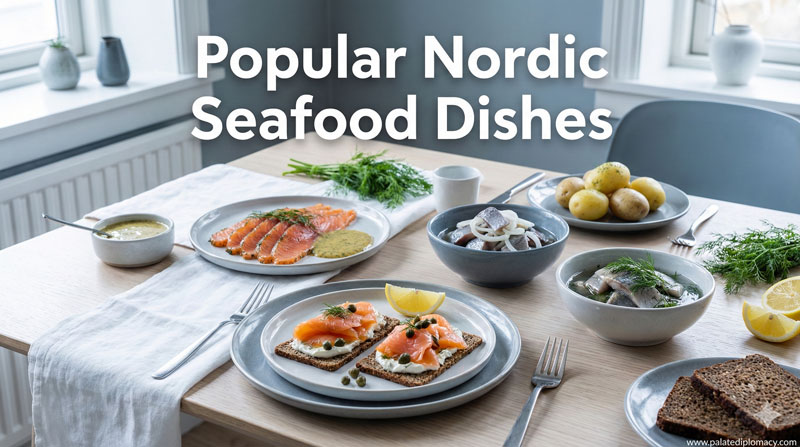
The beauty of pickled herring lies in its companions. It shines beside simple staples and more elaborate spreads. Rye or crispbread provides a sturdy, earthy base that lets the fish’s tang come forward. Boiled or mashed potatoes offer a creamy counterpoint that balances saltiness. A dollop of yogurt, sour cream, or a light cream sauce can soften the sharp edges without hiding the fish’s brightness. Finely chopped onions add a fresh snap, while dill or chives lift the aroma with citrusy greens. Pickled beets or cucumbers introduce a touch of sweetness and color, creating a vivid plate that’s pleasing to the eye and palate. Together, these elements create a harmonious trio: crisp texture, bright acidity, and gentle richness.
A Gentle Social Vessel
Pickled herring promotes sociable dining. It invites people to assemble, share, and discuss flavors. A platter becomes a conversation piece as guests compare marinades and memories. In many homes, a couple of jars sit within reach, and conversations flow as easily as the brine flows through the fish. The dish also tends to be inclusive, welcoming those who enjoy a light bite as well as those seeking a fuller taste. The act of passing the plate, closing the circle, and offering A Taste to someone new reinforces a sense of belonging. In this way, the dish supports a calm, welcoming table culture that many Nordic households value highly.
Freshness, Quality, and Respect for Ingredients
Simplicity often relies on quality. Freshness matters in pickled herring, even after it has been preserved. Home cooks and seasoned vendors alike look for clean fillets, even brine distribution, and a bright, clean aroma. The balance between saltiness and acidity depends on careful timing—too long, and the fish can taste flat; too short, and it feels under-seasoned. The preparation is a quiet testament to patience and attention. Each batch reflects the maker’s careful choices and respect for the fish, the season, and the kitchen. This respect for ingredients translates into a sense of trust and satisfaction on the table.
Historic Yet Timeless: The Link to Seasonal rhythms
Pickled herring resonates with the Nordic sense of seasonal rhythm. In times when fresh fish was scarce, the preservation method extended the harvest into winter months. Even today, the dish echoes that practical ingenuity while standing modernly in line with culinary trends. The seasonal cadence remains a familiar beat: when the fish is abundant, the brine is bright and quick; when the days grow short, the same recipe offers comforting brightness for the table. This continuity makes the dish a touchstone of yearly cycles and culinary memory, a small ritual that many households carry forward with care.
The Language of Texture and Aroma
Texture matters as much as flavor. The crisp snap of the fillet gives way to a tender, edged bite from the brine. The aroma carries a gentle mix of vinegar, onion, and herbs, with hints of mustard or dill depending on the variant. This sensory balance helps the dish feel approachable to new tasters while remaining deeply satisfying for long-time fans. The culinary language of pickled herring is honest and direct: taste, balance, and a respectful approach to the ingredient.
A Contributing Role in Everyday Meals
Pickled herring often appears in meals that emphasize warmth and nourishment. It can anchor a quick weekday lunch, brighten a weekend brunch, or provide a confident course on a larger spread. The dish adapts to different contexts, from simple meals at home to larger gatherings with friends and family. In every setting, it offers a sense of reliability and comfort. This practical value is a key reason it remains beloved across the Nordic region, year after year.
Conclusion: A Dish that Speaks of Local Craft and Shared Joy
Pickled herring embodies a quiet elegance that resonates across Nordic Food Culture. Its preservation method honors craft while its flavors celebrate freshness and balance. The dish’s appeal rests in its adaptability, its compatibility with a wide range of accompaniments, and its ability to invite conversation around the table. For many Nordic locals, the jar is a small treasure chest of taste and memory—a reminder that good food can be simple, approachable, and deeply meaningful. By embracing its varied forms and timeless character, we glimpse how daily meals become a language of culture, care, and shared joy.