
What makes pickled herring a Nordic favorite
Top Reasons Nordic locals love pickled herring begin with its place in daily life. It is a dish that travels from market stall to family table with ease. Local fishermen bring the catch, and home cooks transform it with simple brine, onion, and spice. The result is bright, crisp, and satisfying. It mirrors a coast-to-table idea: quick to prepare, full of depth, and able to mingle with many flavors. In short, it feels both familiar and well-tresented.
A simple, powerful flavor profile
The flavor is clean and direct. The tang of vinegar meets a touch of sweetness and salt, creating balance that wakes the palate. Onion adds a mild sweetness, while dill or mustard seeds give gentle aroma. Some versions introduce beet for color and nuance. The texture stays firm, not mushy, which makes every bite feel crisp and refreshing. This clarity of taste invites tasting in small, thoughtful portions.
Craft and tradition: the pickling method
Craft matters here. Fillets are cleaned and layered in a brine or vinegar solution. The brine’s acidity preserves the fish while keeping it tender. Spice choices vary by region and family, yet the core method remains straightforward and dependable. People often let the flavors mingle for a short time, then serve. The result is a ready-to-use ingredient that shines in simple combinations. This approach reflects a culture that values honest technique and practical beauty.
A dish of seasons and celebrations
Pickled herring travels through the year. In summer markets, it appears alongside fresh greens and new potatoes. In winter meals, it anchors warm, comforting plates. It is a staple at gatherings, from casual lunches to festive spreads. The dish embodies seasonal rhythm, reminding cooks to honor harvests and tradition. Its presence at the table signals warmth, welcome, and a shared love of straightforward flavors.
Pairings that complete the experience
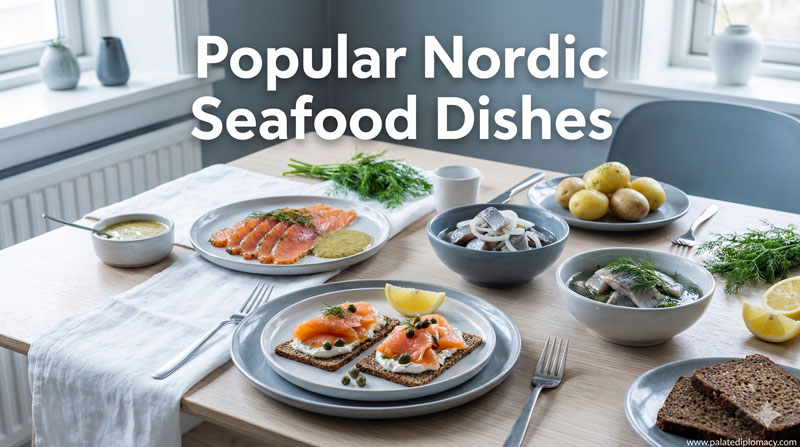
Pairings are deliberate and approachable. Rye bread or a crusty roll provides a sturdy bite. Boiled potatoes or a light salad add balance. A dollop of sour cream or a dab of mustard can lift the brine with a gentle kick. A glass of aquavit or a crisp water to wash it down keeps the moment bright. These choices highlight the herring’s brightness without overpowering it.
Local sourcing and sustainability
Many cooks favor local, seasonal fish and small producers. This choice supports freshness and terroir in every bite. Brine recipes often use simple pantry staples, reducing waste and focusing on core flavors. By valuing regional ingredients, cooks celebrate the landscape and the fishermen who feed their tables. The result is a sustainable, tasty tradition that travels well within the home kitchen.
A shared table taste: family and community
Ultimately, pickle herring is about sharing. Families pass down recipes, tweaking methods to fit their tastes. Friends gather around a platter and trade tastes, affirming a sense of belonging. The dish invites conversations about flavors, memory, and craft. In its quiet way, pickled herring honors patience, skill, and care. The result is not just a meal, but a small celebration of Nordic Food Culture.