
Introduction
Top Reasons Nordic Locals Love Plant-Based Smørrebrød shines as a celebration of place, season, and shared meals. This open-faced sandwich sits at the Heart of Nordic eating, where simple ingredients become memorable experiences. A plant-based version honors tradition while inviting new textures, colors, and ideas to the table. It is a dish that invites curiosity, applause for craftsmanship, and a calm sense of belonging around a lunch plate. In this post, we explore its cultural value and culinary significance with warmth and clarity.
A Tradition of Smørrebrød
Smørrebrød is more than bread with toppings. It is a daily ritual that turns a meal into a partner dance of flavors and textures. The bread provides a sturdy, chewy base; the toppings offer brightness, bite, and balance. The act of assembling a single, artful slice reflects care, patience, and regional pride. When Nordic locals choose plant-based ingredients, they honor the same spirit: respect for ingredients, attention to technique, and a timeless feeling that simple food can be deeply satisfying. The dish becomes a reminder that nourishment and beauty can walk hand in hand.
The Plant-Based Twist
The plant-based version stays faithful to the idea of openness and generosity. It swaps dairy fats for plant-based alternatives, without losing richness. Creamy spreads, tangy pickles, and crisp vegetables all contribute to a well-rounded bite. Local vegetables, herbs, and grains take center stage, underscoring the Nordic love of seasonal produce. The result is a sandwich that feels modern yet familiar, a bridge between tradition and contemporary cooking. This twist invites a broader circle of people to partake in the ritual, without straying from the core values of care and craft.
Textures, Colors, and Flavor
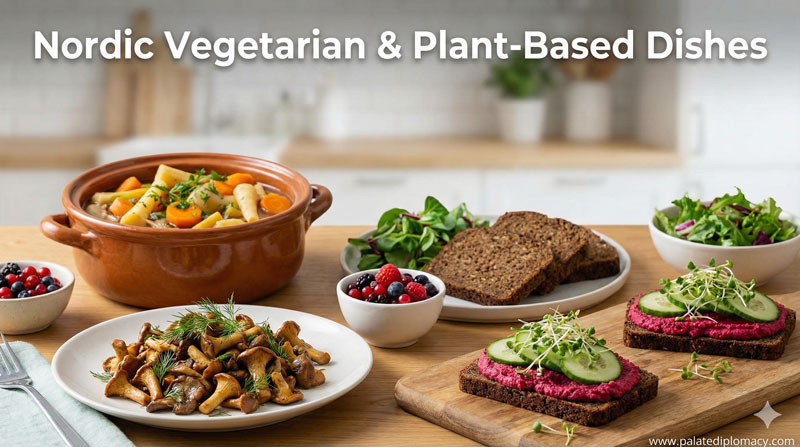
Texture is the quiet hero of plant-based smørrebrød. A slice of sourdough or dense rye offers a satisfying bite. A soft plant butter or spread adds a creamy note, while crunchy toppings provide contrast. Fresh herbs lend brightness; roasted vegetables bring sweetness and depth; pickled elements add zing. The color palette—earthy browns, vibrant greens, and sun-bright yellows—creates a visual rhythm that makes the dish inviting before the first bite. In every bite, you feel how Nordic cooks balance restraint with expressive flavor, highlighting the beauty found in everyday ingredients.
Seasonal Expressions on a Rye Canvas
The dish adapts with the seasons, and locals celebrate this fluidity. In spring, you might find tender greens, radish slices, and herbs that perfume the air. Summer brings cucumbers, tomatoes, and chives that glow against dark rye. Autumn yields roasted roots, beets, and tangy pickles. Winter offers preserved vegetables, rye crisps, and hearty spreads that comfort the palate. Each season writes a new chapter on the same canvas, proving that the culture of smørrebrød is not fixed but evolving, rooted in place yet open to change.
Craft, Presentation, and Skill
Crafting plant-based smørrebrød is a quiet art. The bread is toasted just so, the spread is chosen for balance, and toppings are arranged with intention. The plate becomes a small landscape, with layers that tell a story of technique and taste. This attention to presentation matters because visuals shape the eating experience. When locals plate these sandwiches, they practice mindfulness, offering guests a moment to slow down and appreciate the scene—a tribute to hospitality and shared enjoyment.
Social and Everyday Significance
In Nordic culture, meals are moments of connection. A plate of plant-based smørrebrød can light up a kitchen table, a café counter, or a park bench after a morning market visit. It supports conviviality without demanding heavy preparation, making it ideal for family lunches, daytime gatherings, or a quick, nourishing bite between activities. The dish embodies a generous spirit: it invites customization, honors local products, and invites conversation about flavors, textures, and techniques. It is a practical expression of care that fits seamlessly into daily life.
A Sustainable Plate in Nordic Dining
Sustainability is a natural thread in Nordic eating. Plant-based smørrebrød aligns with values of local sourcing, seasonal abundance, and reduced waste. The dish often highlights rye bread from nearby mills, plant spreads made with pantry staples, and toppings drawn from farms and foragers within reach. This approach reinforces a sense of place and responsibility, showing how careful choices contribute to a pleasing, healthful meal. The result is a plate that feels responsible and delicious, encouraging mindful dining without sacrificing joy.
How Locals Enjoy It at Home or In Cafés
- Start with a sturdy rye or sourdough base. Toast lightly for texture.
- Use a plant-based spread that offers creaminess and depth.
- Layer with bright vegetables, pickles, herbs, and a touch of acidity.
- Plate with care, letting colors and shapes flow together.
- Pair with a simple drink, such as sparkling water with citrus, to keep the focus on flavors.
In homes and cafés, the approach remains welcoming. The dish is flexible, so cooks adapt to what’s on hand while keeping the core idea intact: a balanced, flavorful, open-faced sandwich that honors the season and the table.
Conclusion: A Living, Gentle Nordic Tradition
Plant-Based Smørrebrød is more than a trend. It embodies the Nordic appreciation for balance, form, and hospitality. It celebrates the land’s bounty while inviting modern cooks to participate in the long tradition of open-faced dining. The dish stands as a testament to careful sourcing, thoughtful design, and the joy of sharing good food. For locals and visitors alike, it offers a delicious entry into Nordic food culture—one that is warm, respectful, and endlessly adaptable.