
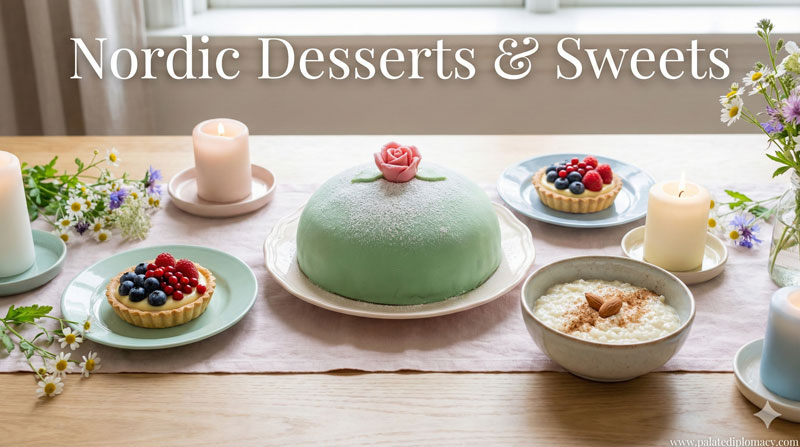
Top Reasons Nordic Locals Love Rice Pudding
Rice pudding is a cherished staple in Nordic kitchens. It carries warmth, simplicity, and a quiet elegance that fits many daily moments. Across Denmark, Sweden, Norway, Finland, and Iceland, families return to this dish for its comforting texture and familiar aroma. The recipe travels softly through generations, adapting to local tastes while keeping a shared core. In short, rice pudding invites conversation, slows time, and celebrates everyday generosity.
Comfort in Every Spoon
This dish offers a gentle, creamy mouthfeel that many describe as soothing. Short-grain rice softens slowly in milk, slowly releasing starch to create a silky texture. A touch of salt, a splash of milk, and a whisper of sugar bring balance rather than sweetness alone. As it cooks, the kitchen fills with a warm scent of milk and gentle spices, often cinnamon. The result is familiar and inviting, a bowl that feels Like a hug.
A Dish That Welcomes Generations
Rice pudding acts as a bridge between ages. Grandparents share the story of a grandmother’s recipe, while children learn to judge the perfect thickness by the wobble of the spoon. It is common to Eat It as a comforting breakfast, a hearty midday meal, or a bedtime meal, depending on family habit. The ritual of serving a steaming bowl creates space for talk, jokes, and quiet appreciation of simple ingredients.
Regional Flavors Across the Nordic Lands
In Finland, riisipuuro leans toward a creamy, mellow profile, often finished with a pat of butter and a swirl of cinnamon sugar. Sweden offers risgrynsgröt, sometimes accompanied by a hidden almond for good luck in the Christmas tradition. Denmark presents risengrød with a clean, clean sweetness, frequently followed by a festive risalamande variation that adds cream, chopped almonds, and a cherry sauce. Norway keeps riskgrøt familiar and comforting, with regional tweaks in milk richness and sweetness. Iceland adds a touch of texture with thicker grains and local dairy notes. Across these lands, the core idea remains the same: a nourishing, porridge-like treat that adapts without losing its soul.
A Lesson in Technique
The method is straightforward, yet it rewards careful attention. Start with rinsed rice, cold water, and milk that heats slowly. Gentle simmering prevents scorching and encourages a creamy release of starch. Stirring matters; frequent, patient stirring thickens the mix evenly and prevents lumps. Finish with a small knob of butter and a pinch of salt, then taste and adjust. The subtle art is to balance creaminess with a light sweetness, so the dish remains elegant rather than heavy.
The Aroma of Hospitality
Serving rice pudding signals hospitality. A bowl placed at the center of the table invites sharing. A dusting of cinnamon, a spoonful of sugar, or a fruity jam on the side invites customization. People pair it with berries, berry compotes, or a drizzle of fruit sauce that brightens the dish. This versatility makes it a friendly, inclusive dish for gatherings, festivals, and family meals.
Seasonal Rhythm and Festive Flair
Winter days invite warmth, and rice pudding fits that mood perfectly. The dish appears in many homes as daylight shortens, offering comfort at the table after winter chores or after a long day. In some households, the Christmas season adds a touch of celebratory ritual, with small gifts or games attached to sharing a bowl. The cadence of cooking, serving, and savoring supports a seasonal rhythm that Nordic families revisit with delight each year.
Modern Twists, Timeless Heart
Today cooks explore gentle variations while preserving the dish’s essence. A splash of vanilla, a richer milk blend, or a hint of cardamom can refresh the flavor without losing its classic feel. Some households experiment with toppings, from berry compotes to caramelized apples, while others keep to the traditional cinnamon and sugar. The openness to gentle tweaks keeps the dish relevant for new generations while honoring its rooted charm.
In Closing: A Living, Beloved Tradition
Rice pudding stands out for its quiet beauty and dependable comfort. It honors craft and care, inviting cooks of all levels to create something nourishing with modest means. Most importantly, it reflects the Nordic love for sharing food with warmth and respect. Each spoonful tells a story of home, a sense of place, and the enduring joy of a dish that quietly connects people across kitchens and generations.