
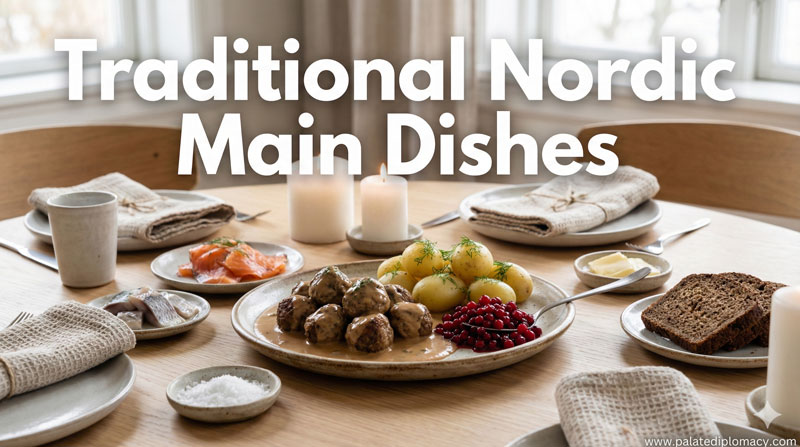
Why Meatballs Is One of the Most Loved Nordic Dishes
Meatballs are more than a simple plate. They carry warmth, memory, and a shared sense of belonging. In Nordic kitchens, they appear in many forms, yet they always signal care and comfort. This dish Stands Out for its approachable ingredients, steady technique, and the way it welcomes people to the table. It feels both everyday and special, a bridge between family dinners and festive meals. In short, meatballs embody a gentle, enduring charm in Nordic Food Culture.
A Window into Nordic Kitchen
The Nordic pantry favors quality and balance. Ground meat, onions, bread or crumbs, milk, and eggs form the core. These elements come together quickly, then rest in quiet patience as flavors mingle. The approach emphasizes restraint: season well, but let the ingredients speak. Frying in butter or oil adds a warm, inviting scent that travels through the house. In the end, the dish proves that simple components can create something quietly memorable.
Classic Ingredients and Techniques
A traditional meatball starts with ground beef, often complemented by pork for tenderness. Onion is usually softened first to release sweetness. Soaked breadcrumbs or crushed crackers soak up moisture and give structure. A splash of milk or cream helps keep the center tender. Eggs act as a binder, binding fat, meat, and bread into a cohesive ball. Spices vary by region, with hints of white pepper, black pepper, allspice, or a touch of nutmeg. The dough is mixed gently to keep the texture light. The balls are browned to form a flavorful crust, then gently finished in a pan or simmered in a sauce. Each step builds texture and depth, so the final bite feels moist yet defined.
The Flavor Journey: What Makes the Meatball Stand Out
The beauty of meatballs lies in their texture: a delicate crust, a juicy interior. The browning adds a toasty background note that carries through every bite. Creamy sauces or clear gravies brighten the dish and smooth edges of richness. Lingonberry jam or pickled cucumber provide bright counterpoints, cutting through fat with a touch of acidity. The balance between meat, dairy, and spice creates a comforting harmony. This is why the same recipe can feel familiar in a home kitchen and refined in a restaurant. The flavor profile invites conversation, not just swallowing.
Shared Rites: How Meatballs Shape Family Meals
Meatballs often arrive at the table during everyday dinners and weekend gatherings alike. They make a meal feel complete with modest effort. A pot of potatoes, a blanket of cream sauce, and a jar of lingonberries set the scene for togetherness. Children learn to shape the mixture, a small ritual that invites participation. Adults share tips on seasoning and timing, passing down practical knowledge. In this way, the dish becomes a living memory, a thread that ties generations into a single, satisfying experience. The act of eating meatballs becomes a small ceremony of care.
Regional Voices: Nordic Variations
Across the Nordic region, meatballs take on region-specific life. Sweden’s köttbullar often appear with creamy gravy and mashed potatoes. Finland’s lihapullat may lean on subtle herbs and a touch of dill. Norway’s kjøttkaker can wear a lighter sauce and a robust potato pairing. Denmark’s frikadeller sometimes show a crispier edge from pan-frying and a simple, bright accompaniment. Each variation honors local tastes while maintaining the shared essence: a savory bite, a gentle texture, and a comforting aroma. This diversity highlights how a common dish can adapt to climate, pantry, and palate without losing its central heart.
Modern Twists and Chef Craft
Today, chefs and home cooks explore new expressions of the meatball while preserving its soul. Some experiments blend pork with lamb for a leaner bite and a more complex flavor. Others introduce subtle herbs like thyme or marjoram to lift the aroma. Breadcrumbs made from rye or oats can change the texture and nutrition. Vegetarian or pescatarian variations appear with mushrooms, lentils, or minced vegetables to echo the same comforting profile. Yet even with twists, the essence remains: the meatball is approachable, adaptable, and deeply satisfying. This openness invites curiosity and keeps the dish lively in contemporary kitchens.
Pairings and Serving Traditions
Serving meatballs often centers on a few comforting companions. Creamy gravies weave the dish into a smooth, unified plate. Mashed or boiled potatoes provide a gentle, starchy base. Lingonberry jam gives a tart note that brightens the richness, while pickled cucumbers add crisp relief. A simple green salad can balance the plate on warmer days. For a heartier option, a spoonful of mushroom sauce or a dab of sour cream can deepen the flavor. In every pairing, the focus remains on harmony and balance, letting each component support the meatball’s warmth.
A Cultural Sensor: Cooking as Storytelling
Cooking meatballs becomes storytelling in motion. The method teaches patience, balance, and respect for ingredients. The aromas tell a Story of home, season, and hospitality. Sharing meatballs offers a chance to slow down, savor each moment, and welcome others to join. In this way, the dish acts as a cultural sensor—capturing how people value nourishment, care, and connection. It reflects an ethos of simplicity elevated by craft, where every bite carries a gentle narrative of tradition and taste.
Conclusion: A Dish That Bridges Taste and Tradition
Meatballs stand among the Nordic kitchen’s most loved dishes because they are both practical and poetic. They honor modest ingredients while offering depth of flavor and texture. They invite sharing, storytelling, and a sense of belonging at the table. The dish adapts to seasons, regions, and personal tastes without losing its essential charm. For cooks near and far, meatballs remain a warm invitation: a reminder that good food, prepared with care, can connect people across meals and moments. In this way, meatballs earn a cherished place in Nordic culinary culture and in the hearts of those who savor them.