
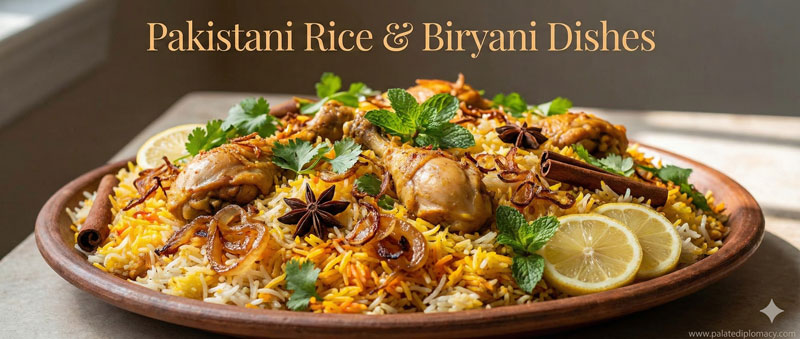
Why Chicken Biryani Is One of Pakistan’s Most Loved Dishes
Chicken biryani holds a warm, steady place in Pakistani kitchens. It is a dish built on balance, craft, and care. People reach for it during family meals, festive gatherings, and simple days when everyone comes together at the table. Its appeal comes from How It blends technique with heart, creating a meal that feels both special and welcoming.
A Symphony of Fragrance and Flavor
The scent of biryani is immediate and inviting. Aromatic basmati rice, tender chicken, and a chorus of spices mingle as the pot opens. The fragrance signals more than taste; it announces hospitality and a moment to pause and enjoy. The fragrance comes from layered spices such as cumin, coriander, cardamom, cloves, and cinnamon, along with fresh mint and cilantro. Saffron or a saffron-like color from turmeric adds warmth and glow. This scent invites conversation and shared bites, making the dining moment memorable.
The Craft: Techniques That Define Biryani
Biryani is as much about method as it is about ingredients. The technique often centers on dum cooking, a slow, gentle process that cooks the dish in a sealed vessel. First, chicken is marinated to deepen flavor and tenderness. Then rice is parboiled to the edge of doneness. The chicken and the parboiled rice are layered in the pot, with fried onions, herbs, and the fragrant spice mix interleaved. A careful seal is used to trap steam, letting flavors mingle while the dish rests. When opened, the layers reveal a harmonious blend of soft chicken with fluffy rice, each bite delivering a balance of moisture, spice, and aroma. The method values patience and precision, rewarding cooks with depth of flavor and a refined texture.
The Palette: Core Ingredients and Their Roles
A successful biryani begins with quality ingredients chosen to complement one another. Basmati rice provides length and a delicate bite. Chicken offers a versatile canvas, absorbing spices without losing its tenderness. Yogurt adds tenderness and a mild tang that lifts the dish. Onions, fried until golden, provide sweetness and a crisp texture. Fresh herbs—mint and cilantro—introduce brightness and contrast. Whole spices deliver warmth without heaviness: bay leaf, cinnamon, cardamom, cumin, coriander seeds, and cloves. Saffron threads or a saffron substitute color the rice and give a subtle floral aroma. Tomatoes, yogurt, and green chilies often weave in tang and heat, balancing richness with freshness. Each element has a role, and together they Create a layered, cohesive flavor profile.
Social and Cultural Sign Tells: Hospitality and Shared Meals
In Pakistan, biryani is more than a recipe. It is a practice of hospitality. When a pot arrives at the table, it signals a moment to welcome guests and share space. The act of serving—scooping generous portions, offering a spoon to everyone, and passing sauces and raita—fosters connection. Biryani often features at family celebrations, religious observances, or weekend gatherings, where hands join in the serving and conversations flow freely. The dish invites storytelling as much as it invites tasting. In this sense, biryani becomes a thread that ties generations together, reflecting how families and communities celebrate daily life with warmth and care.
Regional Variations Within Pakistan
Pakistan’s diverse regions bring distinct touches to biryani, enriching its cultural fabric. Sindh-based biryani tends to be bold and aromatic, with generous spice, a touch of tang from natural acidity, and sometimes potatoes tucked between layers. Karachi biryani is known for its robust flavor profile, a lively balance of heat, fragrance, and vibrant garnishes. Lahori and Punjabi styles highlight fragrant whole spices and a brighter herb note, with a smoother, creamier palate in many preparations. Multani influences offer their own balance of spice and sweetness, reflecting local tastes. Across these variations, the core idea remains the same: biryani is a celebration of aroma, texture, and shared enjoyment. This regional variety showcases how a single dish can adapt to different palates while preserving its essence.
Seasons and Moments: When Biryani Shines
Biryani lights up multiple moments in the year. It is popular for festival tableaus, where families gather to mark a celebration with a centerpiece dish. It also fits ordinary weekends, offering a sense of ceremony to a regular meal. The dish’s adaptability adds to its charm: it can be prepared for a small family supper or scaled up for a large gathering. The versatility of biryani means it can be a quiet, comforting meal or a grand, festive presentation, always maintaining its appeal through its thoughtful composition and careful preparation.
Pairings and Serving Traditions
Biryani shines when paired with complementary accompaniments. A cool, tangy yogurt-based raita balances the spice and heat. Fresh salad or sliced cucumbers adds a crisp, refreshing counterpoint. A side of chutney can enhance tang and brightness, while a simple pickle provides a bright, savory bite. A boiled egg often sits atop or beside the dish in some regional styles. These accompaniments help balance heat, acidity, and richness, creating A Complete dining experience. The serving ritual—share, taste, and celebrate—underscores the communal spirit that biryani embodies.
The Beauty and Significance on the Table
Beyond its flavors, biryani holds a contemplative beauty on the table. The layered colors—from white or pale gold rice to the deeper tones of chicken and browned onions—create an inviting, appetizing look. The steam rising from the pot signals warmth and care. The dish encourages a pause in the bustle of daily life and invites people to sit down, listen, and enjoy. In this way, chicken biryani embodies culinary artistry and cultural generosity. It showcases how taste can be refined, balanced, and shared with grace.
A Cultural Anchor for Food Lovers
For many families, biryani is a familiar, comforting anchor. It connects daily life with tradition through technique and taste. The careful marination, the precise simmer, and the final layering reflect a respect for craft. This respect resonates with cooks and diners alike, reinforcing a sense of pride in local flavors and culinary skill. Chicken biryani becomes a bridge between generations, a way to honor lineage while welcoming new ideas and tastes to the table.
Concluding Thoughts
Chicken biryani stands as one of Pakistan’s most loved dishes because it blends craft, aroma, and sociable spirit. Its value lies in how it brings people together, how it adapts across regions, and how it celebrates flavor with balance and poise. Whether enjoyed after a long day, shared at a family gathering, or presented as a feast centerpiece, biryani speaks to the heart of Pakistani food culture: care, hospitality, and the joy of good taste. In this sense, the dish is more than a meal; it is a living expression of community, craft, and the beauty of thoughtfully prepared food.