
Introduction
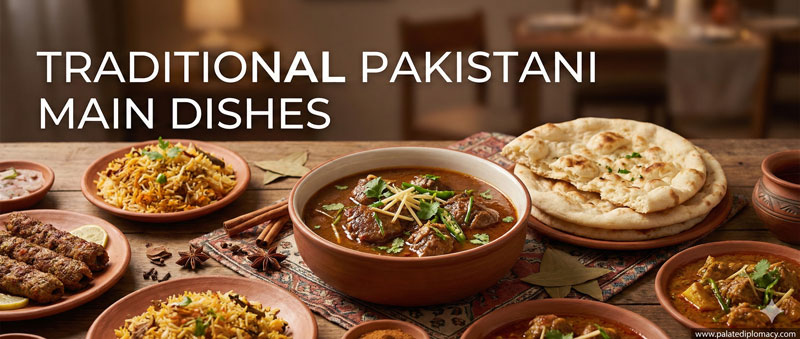
Nihari sits at the heart of the kitchen table as a timeless celebration of flavor and craft. It is a slow-simmered stew, usually made with beef or lamb, and often enriched with bone marrow. The dish radiates warmth, patience, and a deep respect for the art of cooking. People love Nihari for its comforting embrace and for the way it brings friends and family together to share a pot of something truly special.
What is Nihari?
Nihari is a rich, aromatic stew that braises meat until it becomes tender and deeply infused with spice. The sauce glows with a dark, glossy sheen, signaling hours of gentle simmering. Key elements include a blend of ground spices and a careful balance of aroma from whole spices. The marrow adds a lush, velvety texture, while the meat absorbs the layered flavors so every bite feels both hearty and refined. This dish is celebrated for its unhurried preparation and the sense of ritual that accompanies every pot.
A Symphony of Flavors
The flavor profile of Nihari unfolds slowly. First comes the warmth of spices like cumin, coriander, and fennel. Then notes of cinnamon, cloves, and black pepper emerge, lending depth without overpowering. Garam masala offers a fragrant finish that ties the layers together. Each component plays a role, and the result is a gravy that feels both robust and elegant. The long simmer lets collagen melt and mingle with spices, creating a mouthfeel that is deeply satisfying and persistently memorable.
The Aroma That Welcomes
As the pot cooks, the kitchen fills with an inviting aroma. The spices bloom, releasing a fragrance that lingers in the room. The scent blends meat with aromatic oils and a hint of smokiness from slow cooking. When Nihari is ready, the air itself feels inviting, almost ceremonial, inviting everyone to the table. This aroma is not just hunger; it is anticipation, a signal that a meal of care and tradition is near.
The Ritual of Slow Cooking
Nihari thrives on patient preparation. Low heat, long hours, and careful attention create its signature depth. The process often starts with browning the meat, then layering in spices and stock. The pot rests gently, gradually releasing flavors as the liquid thickens. Finally, a brief finish with fresh herbs or a squeeze of lemon brightens the dish. The ritual of slow cooking expresses respect for ingredients and a commitment to quality, turning ordinary time into a culinary ceremony.
Regional Threads and Shared Stories
Nihari travels through regions and kitchens, acquiring subtle regional accents. Lahori Nihari emphasizes a rich, peppery backbone and a glossy gravy. Delhi-style versions may lean toward a balanced, slightly lighter spice profile while preserving depth. Hyderabadi adaptations can introduce regional touches that harmonize with local tastes. Across these variations, the core idea remains the same: a nourishing, soulful dish that celebrates meat, spices, and patience. This diversity reflects a shared love for the dish and the way it can adapt to different palates while staying true to its essence.
Pairings and Presentations
The experience of Nihari shines brightest when paired thoughtfully. A hot pot of Nihari demands a crusty, fluffy bread—naan or kulcha—torn into pieces to scoop up the rich gravy. Fresh lime or lemon wedges add a bright touch, while thinly sliced onions provide a crisp, peppery counterpoint. A scatter of chopped cilantro and ginger sparks a Fresh lift just before serving. The result is a balanced feast where texture and aroma converge with every bite.
The Craft of Balance
Beyond heat and savor, Nihari is about balance. The cook balances salt, spice, and fat to achieve a harmonious profile. The marrow contributes a luxurious silkiness, but it must be tamed so the gravy remains drinkable and cohesive. The level of heat is adjusted to invite savoring rather than overwhelm. Each spoonful should feel Like a mindful conversation between meat, spice, and stock, with no single element shouting above the others.
Modern Takes and Accessibility
Home cooks and chefs continue to explore Nihari with fresh ideas, while preserving its core spirit. Slow cookers and pressure cookers offer practical paths to the same depth of flavor. Shorter cooking times can still yield tenderness with careful technique. Some kitchens introduce vegetable blends or alternative cuts for variety, while many choose to honor the traditional approach whenever possible. The dish remains accessible and adaptable, inviting new generations to discover its beauty without losing its soul.
Why People Love Nihari
People love Nihari for its quiet grandeur and generous spirit. It is a dish that invites long conversations and shared laughter, turning meals into memories. The texture is luxurious, the aroma inviting, and the flavors complex yet harmonious. Nihari embodies a hospitality that welcomes all to the table. It rewards patience with a bowl that feels uplifting, comforting, and deeply satisfying. In every serving, the dish honors craft, culture, and the timeless joy of eating together.
Conclusion
Nihari stands as a vibrant thread in the tapestry of culinary culture. Its slow, deliberate preparation honors ingredients and technique while its Bold Flavors celebrate the joy of sharing a meal. The dish’s cultural value lies in its ability to bring people closer, to teach patience, and to elevate a simple pot into a feast of warmth and unity. Whether enjoyed at a family gathering or a quiet weekend brunch, Nihari offers a delicious reminder of why food matters: it feeds not just the body, but the spirit of community.