
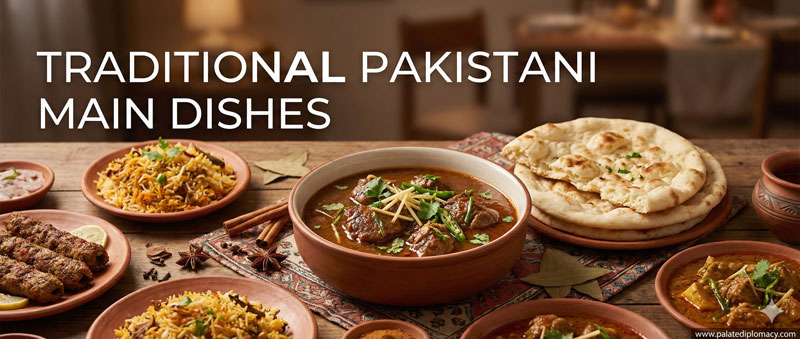
Top Reasons People Love Eating Korma: A Cultural and Culinary Celebration
Korma is more than a dish. It is a beloved part of many kitchens and tables, a dish that signals warmth, care, and shared moments. In this post, we explore its cultural value and culinary significance. We highlight why people reach for korma again and again, and how its tenderness, aroma, and depth connect to everyday life and festive gatherings alike.
A Rich Heritage in Every Bite
Korma carries a generous history of family recipes and traditional techniques. Across homes and restaurants, the dish signals a sense of hospitality and welcome. The base features dairy richness, often yogurt and cream, which creates a silkily luxurious mouthfeel. Ground nuts, seeds, and a delicate spice blend mingle to form a timeless harmony. Each bite speaks to careful preparation, patient simmering, and a respect for seasonal ingredients. This ritual of slow cooking elevates humble components into a memorable experience.
The Craft of Cream and Spice
The heart of korma is a balance between creaminess and spice. A skilled cook allows flavors to bloom through gentle heating. Marination with yogurt and mild spices helps tenderize the meat and infuse it with subtle tang. Nuts such as almonds or cashews are ground into a paste that thickens the sauce and adds a velvety texture. Whole spices—cardamom, cinnamon, cloves, and cumin—aromatically perfume the dish as it braises. Saffron or a touch of cream can lift the color and fragrance. In short, the craft combines technique and patience to produce a sauce that is glossy, fragrant, and deeply comforting.
Texture, Aroma, and Color: A Sensory Symphony
Korma delights the senses. The meat or vegetables become tender and succulent through slow simmering. The sauce envelops each piece with a creamy coat that carries the nutty and dairy notes forward. Aromas rise from the pan in a gentle veil of spice and sweetness. The color ranges from pale ivory to a warm, nutty brown, often kissed with a hint of gold from saffron or fried onions. This sensory balance makes korma inviting from the first aroma, inviting eager anticipation for the first bite.
Regional Variations and Personal Touches
Across regions, korma shows delightful variety while preserving core elements. In Lucknowi or Awadhi preparations, the sauce is extra smooth, with a refined balance of dairy, nuts, and saffron. Punjabi styles may emphasize a robust, comforting thickness and a slightly bolder spice note. Kashmiri versions often feature dried fruits for a fruity sweetness that brightens the sauce. In coastal areas or homes with coconut traditions, coconut milk and fresh coconut add a oceanic sweetness. Vegetarian versions shine with paneer, cauliflower, or mushrooms, each carrying its own texture and nuance. The beauty of korma lies in its adaptability and the way cooks bring their own touch to a familiar framework.
Hospitality on the Table
A key cultural value of korma is hospitality. Hosts prepare the dish to share, inviting guests to relax and enjoy. The act of serving korma signals generosity and care. Families often pair it with simple basmati rice or warm breads, turning a meal into a coordinated, comforting experience. Even small gatherings feel festive when korma appears on the table. The dish works well for celebrations, family meals, and everyday dinners alike, because its richness can be scaled with ingredients and portions.
Pairings, Presentation, and Celebrate Moments
Korma shines when paired with complementary elements. Long-grain basmati rice or steamed jasmine rice provides a clean counterpoint to the sauce’s creaminess. Naan, roti, or paratha are ideal for savoring every last bit of the gravy. Cooling accompaniments like cucumber raita or a light onion salad balance the richness. Garnishes—fresh cilantro, toasted nuts, or a few pomegranate seeds—add color and a crisp contrast. In presentation, a shallow, wide dish allows the sauce to shine and invites guests to scoop with care. These pairings and presentation choices reinforce the dish’s role in joyful, shared meals.
A Modern, Inclusive Dish
Today, korma appears in homes and eateries with modern twists while honoring tradition. Lighter or dairy-free versions can use coconut milk or almond milk to maintain creaminess without dairy. Paneer, mushrooms, or seasonal vegetables offer inviting plant-based alternatives. Even as recipes evolve, the essence remains: a dish that invites conversation, slows the pace of a meal, and invites everyone to savor. The adaptability makes korma accessible to diverse kitchens and palates, without losing its core charm.
Why This Dish Endures: A Quick Recap
- It signals warmth and hospitality through a gentle, generous sauce.
- It combines dairy richness with nutty, spiced depth for a balanced taste.
- It invites patience and care in preparation, elevating everyday cooking to a celebratory experience.
- It offers regional flavors and personal touches, making every version unique.
- It pairs beautifully with staples like rice and bread, encouraging shared meals.
Final Thoughts
Top Reasons People Love Eating Korma come together in a single, enduring idea: it makes meals feel special without being extravagant. It embodies care, tradition, and community. The dish welcomes everyone to the table and invites conversation about flavors, textures, and memories. If you haven’t yet cooked korma at home, consider starting with a simple chicken or paneer version. Use fresh spices, a touch of yogurt, and a slow simmer, and you will likely discover a Favorite that resonates with your own family’s table and your local Food Culture.