
Why Pulao Holds a Special Place in Pakistani Kitchens
Pulao is cherished across Pakistan for its warmth and balance. In homes and eateries, it sits at the center of meals. The dish welcomes guests with a cloud of fragrance and a comforting texture. Its appeal lies in harmony: tender grains, gentle spice, and a soft, satisfying finish. People savor it not only for taste but for memory—family cooks, shared tables, and a sense of welcome. In short, pulao is an everyday treasure that honors both craft and community.
The Craft Behind Every Grain
To achieve perfect pulao, cooks treat rice with care. First, they rinse basmati to remove surface starch. Second, they soak it briefly so the grains stay separate. Then they brown onions in ghee or oil, releasing sweetness. Next, spices join the pot: cumin, coriander, green cardamom, cloves, cinnamon, and bay leaf. Meat or vegetables are added, if used. Finally, water or stock flows in, and the pot is sealed to trap steam. The result is grains that stay distinct, each one glistening with perfume, not mushy.
Aromas that Draw People to the Table
The fragrance of pulao is a quiet invitation. As the pot heats, spices release their stories in the air. Fragrant cumin and cardamom mingle with caramelized onions. A hint of saffron or a touch of turmeric adds color and warmth. The aroma travels through the home, signaling a meal worth gathering for. When the lid lifts, the scent remains a memory you can taste. Such aroma makes the moment feel special, even before the first bite.
Regional Variations that Shape the Dish
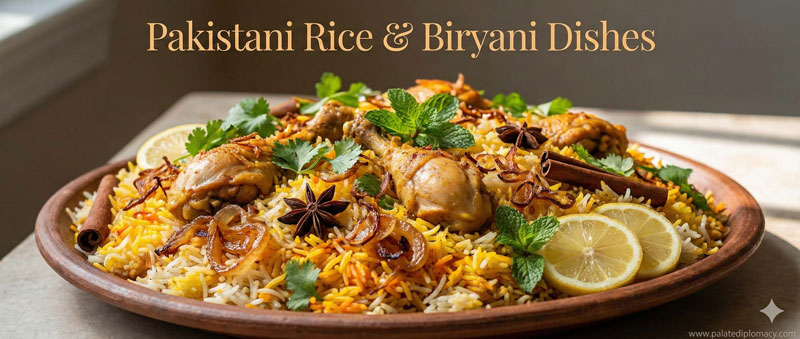
Across Pakistan, pulao wears many faces. In bustling kitchens, chicken or mutton pulao appears with tender pieces that absorb spice. In homes closer to markets, vegetables and legumes join the mix. Some cooks crown the dish with fried onions for extra sweetness; others add fresh herbs for brightness. The rice itself can guide the flavor, with long-grain basmati offering a light, airy bite. Regional ingredients and preferences give pulao its rich diversity, yet the core technique keeps the dish unmistakably Pakistani.
Pulao at Family Gatherings and Celebrations
Pulao Shines in gatherings. It travels from stove to table with a sense of ceremony, even in everyday life. The dish invites sharing: a bowl passed round, conversations rising as aromas fill the room. This social aspect matters as much as taste. When families come together, pulao becomes a quiet focal point—a bridge between generations, a way to say “you are welcome here.” In this sense, its cultural value rests in its ability to bring people closer.
The Culinary Significance in Pakistani Cuisine
Pulao sits comfortably beside curries, raitas, and tangy salads. It is versatile enough for a simple weeknight and generous enough for a feast. The technique of layering flavors and steam-cooking gives pulao depth without complexity. It also honors seasonal produce, music of spice, and the skill of the cook. As a result, pulao embodies balance, care, and hospitality—key traits in Pakistani cooking.
Serving and Pairings: Elevating the Experience
A well-made pulao invites thoughtful accompaniments. A crisp cucumber-onion salad adds brightness, while a cool yogurt-based raita provides a silky contrast. A wedge of lime can lift the plate, and a simple pickle can provide a touch of tang. These pairings are not just flavors; they create A Complete meal that respects the rice’s tenderness and the spices’ perfume. The result is a harmonious dining experience that lingers in memory.
Tips for Crafting an Authentic Pulao at Home
To recreate the magic, start with good ingredients. Choose long-grain basmati for its separate grains. Rinse until the water runs clear, then soak briefly. Use ghee for depth, or a light oil if you prefer. Fry onions until they glow amber, then add your spice blend. Layer meat or vegetables if desired, then add just enough stock to steam the rice. Let the pot rest after cooking. Serve gently to keep the grains intact.
A Dish That Reflects Care and Craft
Ultimately, pulao is more than a recipe. It is a practice of patience, balance, and generosity. Each grain tells a small story of technique and time. Each aroma speaks of home and welcome. In the kitchens and dining rooms of Pakistan, pulao remains a beloved expression of culture and care—a dish that invites you to slow down, savor, and share.