
Introduction
Why is pulao one of Pakistan’s most loved dishes? Because it speaks softly yet persistently to the senses. It invites you to a table where fragrance and warmth meet in a single, comforting pot. This dish carries the rhythm of everyday life and the sparkle of family gatherings. In homes and kitchens across the country, pulao ties people together with its generous, shared spirit. It is both a humble staple and a festive centerpiece, celebrated for its balance of aroma, texture, and heart.
What Is Pulao?
Pulao is a rice dish that blends fragrant grains with spices, vegetables, and sometimes meat. At its core, it celebrates simple, honest ingredients cooked to harmony. The rice stays light and fluffy, each grain distinct, while the spices lend depth without overpowering. In many households, pulao is a canvas for seasonal produce and regional conscience. It can be as uncomplicated as rice tossed with onions and cumin, or as elaborate as a layered, dum-pulao with marinated meat. Either way, the dish honors patience, technique, and care.
The Fragrance That Welcomes You
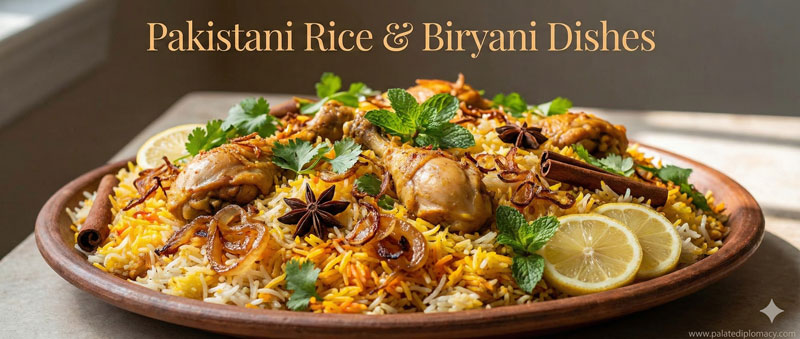
The aroma of pulao is its invitation. First, the base notes come from cumin, coriander, and bay leaves. Then, cardamom, cloves, and cinnamon add a subtle warmth. Saffron or turmeric may tint the rice with color and a gentle sweetness. Finally, fried onions, known as birista, glide through the pot, lending a glossy sheen and a caramelized scent. This fragrance lingers, making the moment of serving feel Like a small celebration. Such aroma is not merely sensory; it signals hospitality and welcome.
Techniques and Mastery
Next, technique matters as much as ingredients. For fluffy pulao, rinsing and soaking the rice helps each grain separate. Gentle simmering preserves texture, while the layering of flavors builds depth. Some households favor the dum method, where the pot is sealed to trap steam and aromas. Others opt for kacchi pulao, where marinated meat is cooked together with rice, allowing juices to mingle. Regardless of method, the goal remains the same: a cohesive dish where every grain carries aroma, every bite carries balance.
Regional Tapestry
Pakistan’s regions add color to pulao without losing its core identity. In the plains of Punjab, pulao often features generous spices and a rich, savory depth; it sits beside tender meat or vegetables and is a staple at family feasts. Sindh offers its own brightness, sometimes with regional vegetables and a touch of acidity from tomatoes or tangy condiments. Khyber Pakhtunkhwa and Balochistan bring rustic notes and lighter or more robust variations, reflecting local produce and tastes. Across these areas, the dish remains a familiar thread—the same method of gentle simmering and careful seasoning, adapted to the rhythm of daily life.
The Role of Ingredients
The most cherished ingredients tell a story of care and craft. BasmatRice forms the heart, its long grains becoming delicate and separate when cooked well. Ghee or a good oil adds a rich mouthfeel and a nutty finish. Whole spices—cumin seeds, cardamom, cloves, and bay leaves—give perfume without shouting. Saffron or a pinch of turmeric provides color and a note of sweetness in some preparations. Vegetables like peas, carrots, or potatoes show up in specific regional versions, while meat such as chicken or lamb adds depth and a sense of indulgence. Each component plays a role, and together they create a harmony that feels both comforting and celebratory.
Serving with Care
Furthermore, how pulao is served matters as much as How It is cooked. It often appears with cooling companions like cucumber salad or raita, which balance the spices with freshness. A crisp onion salad or fresh herbs can brighten each plate. Serving is an act of hospitality; the dish welcomes guests and invites conversation. In many households, pulao arrives on a shared platter, inviting everyone to scoop a portion and savor the moment. This ritual reinforces community, gratitude, and the joy of eating together.
A Dish of Hospitality
Pulao is more than nourishment; it is an expression of care. First, hosts prepare it with attention to the guest’s comfort and satisfaction. Then, they present it with a calm confidence that signals welcome. Over the years, pulao has become a language of itself—conveying warmth, generosity, and a sense of belonging. In this sense, its cultural value extends beyond taste. It is a daily reminder that food can knit families, friendships, and neighbors into a single, shared experience.
The Craft in Home Kitchens
Home cooks often refine pulao with personal touches. Some prefer a lighter, more fragrant version that showcases the rice, while others savor a heartier pulao with meat and richer gravies on the side. The beauty of the dish lies in its adaptability and resilience: it welcomes improvisation while remaining true to its essence. In kitchens across Pakistan, pulao is a canvas for memory—recipes passed down, tweaks remembered, and stories told anew as each pot comes to the table.
Cultural Significance in Everyday Life
In daily life, pulao marks both routine and celebration. It is a dependable meal for bustling weekdays and for weekend gatherings alike. Its presence in a family menu signals welcome and care; its appearance at a feast signals joy and gratitude. The dish glides between simple comfort and festive grandeur, making it a versatile ambassador of Pakistani culinary culture. Through pulao, people express hospitality, celebrate seasonal produce, and honor tradition with every fragrant spoonful.
Why It Endures
Finally, the enduring appeal of pulao rests on its balance. It combines aroma, texture, and heart in a single pot. It travels well from kitchen to table, adapts to available ingredients, and remains approachable yet refined. This versatility makes pulao a cherished emblem of Pakistan’s Food Culture. It invites conversation, nourishes the body, and comforts the spirit. That combination—taste, tact, and togetherness—helps explain why pulao is so deeply loved.
Conclusion
In short, pulao embodies culture as much as cuisine. It is a dish that honors everyday life while elevating it, a gentle reminder that food can be both simple and spectacular. From the first whiff of spices to the last bite of a shared plate, pulao invites appreciation for skill, patience, and the beauty of gathering. That is why pulao remains one of Pakistan’s most loved dishes: a fragrant, comforting, and endlessly inviting celebration of food and community.