
Why Pulao Holds a Special Place in Pakistani Kitchens
Pulao is more than a dish; it is a thread that ties many Pakistani meals to shared moments. In homes from busy city kitchens to quiet countryside tables, the aroma of Pulao announces warmth and welcome. This dish invites conversations, nourishes the body, and serves as a graceful stage for family bonds. Its appeal lies not only in flavor but in the sense of belonging it creates around the table. People remember the gentle steam rising from the pot, the way grains glisten, and the way every bite carries a memory of care. In every region, Pulao has found its own voice, yet the core of its charm remains constant: simplicity elevated by thoughtful technique.
The Craft Behind Every Basmati Grain
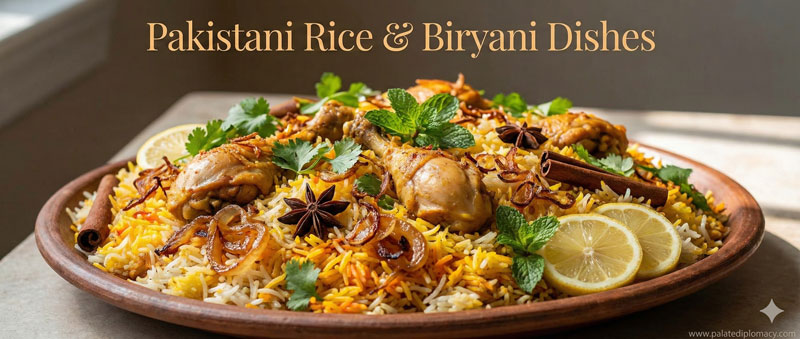
Pulao celebrates the beauty of basmati rice, chosen for its long, delicate kernels and its ability to hold shape during slow cooking. The process centers on balance and patience. First, the rice is rinsed until the water runs clear and then soaked briefly to soften the grains. Next, onions are sliced thin and fried in oil until amber and sweet. This caramelized base releases a fragrance that becomes the soul of the dish. Then comes a chorus of whole spices—cinnamon, cloves, green cardamom, bay leaves—adding warmth without overpowering the grains. Meats or vegetables join the pot with a light seasoning, forming a fragrant core. The rice is parboiled with careful attention to texture, then layered over the simmering aromatics. A touch of saffron or a splash of color deepens the depth of flavor and hue. Finally, the pot is sealed and the dum process begins, allowing steam to mingle the ingredients gently. The result is a rice dish where each grain remains separate, yet carries a shared perfume of spices and onion sweetness.
A Symphony of Flavors and Textures
The magic of Pulao lies in its harmonious contrast. Fluffy, separate grains provide a soft, inviting bite, while the meats or vegetables lend tenderness and juiciness. The toasted onions add a caramel note, and the spices contribute warmth, aroma, and complexity without shouting. The texture feels light enough to eat in generous portions, yet satisfying enough to stand as a center of a meal. Saffron or color threads bring a golden glow and a subtle floral hint. Each bite blends sweetness, savoriness, and a gentle peppery brightness that lingers pleasantly on the palate. This balance makes Pulao versatile: it can accompany a simple yogurt-based sauce or be the main event when crowned with marinated poultry or roasted vegetables.
Pulao at Home: Everyday Meals and Gentle Celebrations
In daily life, Pulao brightens ordinary meals with a touch of ceremony. Families may prepare it for a weekend lunch, a shared dinner after a busy day, or when guests arrive with a cheerful sense of occasion. The dish adapts to the moment: it can be lighter with vegetables for a casual meal, or richer with tender meat for special moments. Its rhythm fits easily into a busy kitchen—yet it rewards patience with depth of aroma and a refined texture. Because it travels well from stove to serving dish, Pulao often appears as a unifier on the table, inviting everyone to gather, scoop, and savor together.
Regional Variations and Personal Touches
Pakistani kitchens celebrate variations that enrich the Pulao story. In some regions, chicken or mutton Pulao becomes a luxuriant main, with subtle differences in spice blends and layering techniques. In others, vegetable Pulao shines with peas, carrots, and threads of saffron, delivering color and brightness without meat. Karachi-style Pulao might lean into a bold saffron aroma and a robust spice profile, while Sindhi versions often incorporate earthy flavors and a slightly smoky finish from gentle roasting. Across areas, cooks add personal twists—nuts for crunch, raisins for a touch of sweetness, fresh herbs for brightness—always preserving the essential harmony of spices and rice. This diversity reflects a shared love for technique and aroma, and a common belief that good food flourishes when it brings people together.
A Dish of Hospitality and Shared Moments
Hospitality is the heart of Pulao. The dish acts as a generous welcome, signaling that guests are cherished and meals are moments to be shared. A bowl of Pulao at the center of the table invites conversation, laughter, and a sense of ease. The careful layering and aroma become a language of care, saying, “You are invited to linger, to enjoy, to connect.” In this way, Pulao functions not only as nourishment but as a celebration of everyday generosity and the simple joy of sharing a well-made meal.
Pairings and Serving: A Complete Experience
To complete the Pulao experience, many choose accompaniments that complement its aroma and texture. A cool yogurt-based sauce or raita balances the warmth of the spices. Fresh salads with cucumber, tomato, and lemon offer a bright contrast. Pickles add a tangy kick, while crisp fried onions sprinkled on top give a final shimmer of sweetness and texture. A light cucumber salad or a mint chutney can lift the plate and the mood, inviting another helping without overpowering the rice. The serving moment matters as well: presenting the pot with care, allowing steam to drift, and inviting guests to scoop generous portions are all part of the ritual that makes Pulao feel welcoming and complete.
Concluding Note: The Enduring Beauty of Pulao
Pulao stands as a beloved pillar of Pakistani Food Culture because it combines technical finesse with heartfelt hospitality. It shows how simple ingredients—rice, spices, onions, and a careful hand—can become something greater than the sum of their parts. The dish travels through homes and celebrations with a consistent message: care, balance, and shared joy. In every bite, one tastes not just flavor, but a living tradition—the story of kitchens that welcome, of families that gather, and of cooks who honor ingredients by elevating them with patience. Pulao remains a cherished favorite because it speaks to the beauty of everyday cooking and the warmth of communal meals, inviting everyone to pause, savor, and smile.