
Introduction
Rosół is more than a soup. In Poland, it has earned a place as a must-try dish for locals and visitors alike. Its warm aroma and clear, comforting taste invite you to slow down and savor the moment. The dish carries cultural value: it signals hospitality, care, and a shared table. The journey of Rosół—from home kitchens to people’s lists of beloved dishes—shows how skill, patience, and love for good food can shape a culture.
What is Rosół?
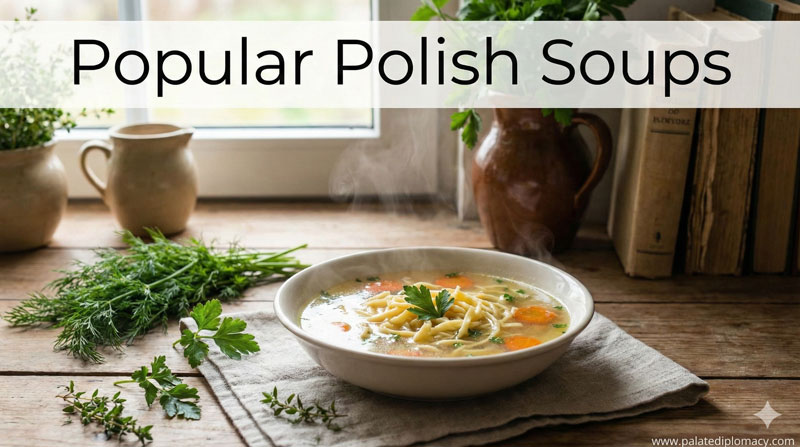
Rosół is a traditional Polish chicken broth. The core elements are simple: chicken, water, vegetables, and a careful simmer. Common vegetables include carrots, celery, and parsnip, with an onion that may becharred to deepen sweetness. Aromatics such as bay leaves, peppercorns, and a sprig of parsley add depth without heaviness. The broth is usually served with noodles or kluski, and tender pieces of chicken accompany the clear liquid. The result is a bright, soothing soup that tastes like home.
A Technique of Clarity: How the Broth Is Built
The beauty of Rosół lies in technique as much as in ingredients. The broth is built slowly. A gentle simmer keeps the liquid clear and fragrant. Skimming the surface removes impurities and fat, producing a pristine, pale broth. Some cooks roast the onion first to add a hint of sweetness. Straining the liquid helps preserve its clarity, while resting the broth allows flavors to settle. Finally, the noodles go in, or the noodles rest beside the bowl, ready to be added as guests arrive. The method rewards patience with a broth that feels both refined and comforting.
Cultural Heartbeat: Rosół at Home
Rosół shines in the home kitchen. It is a dish a family can prepare together, turning a routine meal into a moment of connection. Sundays often feature Rosół as a comforting anchor. It is a dish for illness—an old belief that warm broth can ease a rough day—and for celebrations, where a bright bowl signals welcome and care. The act of serving Rosół mirrors Polish hospitality: a clean bowl, a pot of broth steaming at the center, and a circle of loved ones gathered around the table. This ritual makes Rosół more than food; it becomes a living memory of togetherness.
Regional Voices: Variations Across Poland
Polish cooks adapt Rosół to their own pantry and palate. Variations exist, yet the essence remains the same: a clear, aromatic broth with tender meat and comforting noodles. Some regions favor a stronger onion note, while others lean into a lighter, more delicate flavor. Families may add a splash of fresh herbs at the end for brightness. The choice of noodles also varies, from slender strands to thicker, dumpling-like kluski. These small differences celebrate local abundance while keeping the dish recognizably Rosół.
Rosół in Modern Polish Cuisine
Today, Rosół appears in both cozy family kitchens and modern eateries. In homes, it continues to be a staple that travels through generations. In restaurants, chefs reimagine the dish with careful plating and subtle modern touches, while preserving its clear broth and gentle profile. This blend of tradition and modern craft keeps Rosół relevant. It also invites new audiences to discover its purity, balance, and how a simple broth can carry a sense of place.
Serving Rituals and Pairings
Rosół is often presented with care. A light sprinkle of chopped parsley brightens the surface. The noodles are typically cooked separately or added just before serving to keep their texture firm. The first sip should feel warm and clean, followed by the comforting bite of the tender chicken. Pair the dish with crusty bread to scoop up the last bits of broth. A crisp, refreshing salad can accompany the main course, offering a balance of textures and flavors that complement the soup.
A Dish for All Seasons
Rosół adapts to the calendar. In cooler months, its warmth feels restorative. In spring and summer, a lighter version with delicate aromatics can still evoke the same sense of care. The dish’s versatility—clear broth, comforting noodles, and tender meat—makes it a year-round favorite. Its simplicity invites both everyday meals and special occasions, always keeping a space for sharing and thoughtful preparation.
Why Rosół Remains a Must-Try Dish
- It embodies hospitality. A warm bowl greets guests and family with calm assurance.
- It celebrates skill. The clarity and balance of the broth reflect careful technique and patience.
- It honors memory. The dish carries the rhythms of family life, seasonal cooking, and daily rituals.
- It invites exploration. Its regional nuances and modern interpretations invite curious tasters to discover Polish food culture.
Conclusion
Rosół stands out in Polish Cuisine because it blends simplicity with depth. It is inviting, respectful, and deeply rooted in everyday life. The dish invites you to slow down, listen to the simmer, and connect with others around the table. As a must-try dish in Poland, Rosół offers more than taste—it offers a doorway into a culture that honors craft, warmth, and the joy of shared meals. If you seek a dish that speaks softly yet leaves a lasting impression, Rosół is an excellent first bite into Polish food culture.