
How Rosół Became a Must-Try Dish in Poland
Rosół stands as a beloved thread in the fabric of Polish cooking. Its clear, fragrant broth invites the senses and centers the dining table with quiet warmth. Across households and communities, this dish marks moments of care, hospitality, and shared conversation. It feels timeless, yet it adapts to each kitchen’s rhythm. In short, Rosół is not just soup; it is a celebration of patience, balance, and the joy of good broth.
What Is Rosół? A Simple Yet Elegant Dish
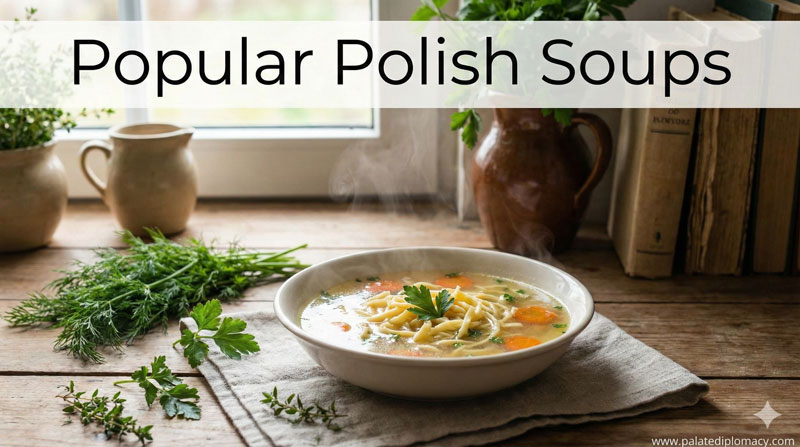
Rosół is a seasoned chicken broth served as a soup. The base is clear and gently golden, which comes from careful simmering rather than heavy reduction. The simplest version highlights a few trusted ingredients: chicken, onions, carrots, celery or parsley root, and herbs such as bay leaves and peppercorns. Some cooks add garlic or dill for subtle depth. The broth is strained to a pristine clarity, then poured over tender noodles or small dumplings. The result is a comforting, elegant bowl that respects the natural flavor of the poultry and aromatics. In Poland, Rosół is often the first flavor many children learn to savor, and it remains a reliable favorite for guests of all ages. The beauty lies in its restraint and its ability to make every ingredient sing.
The Craft Behind the Clear Broth
The magic of Rosół rests on technique. First, many cooks begin with cold water and a gentle pace, allowing the chicken to release its flavor slowly. Next, they skim the surface to remove foam and impurities. This step keeps the broth bright and clean. Then comes a long, patient simmer, usually several hours, which draws out rich depth without heaviness. Finally, the broth is strained and often cooled briefly to skim off fat, before it is reheated for serving. Throughout, the goal is balance: a gentle aroma, a clean appearance, and a silky mouthfeel. When executed well, Rosół feels Like a warm invitation to linger at the table, not rush through a meal. The finishing touch—delicately chopped parsley or dill sprinkled on top—adds color and a final lift of freshness.
Rosół at the Table: Family, Hospitality, and Rituals
In Polish kitchens, Rosół embodies hospitality. It appears on Sunday tables, festive gatherings, and quiet weeknights alike. The act of ladling a steaming bowl signals care and welcome. Families gather around the pot, sharing stories as the broth simmers. The serving ritual invites conversation: which noodle type to choose, how long to let the broth rest, and how to tailor seasonings for a particular palate. Rosół also carries a sense of continuity. It is a dish that grandparents pass to parents, who then pass it to their children. In this way, Rosół becomes a living bridge between generations. Its presence on the table fosters mindfulness and gratitude for simple, honest flavors.
Regional Variations and Personal Touches
Poland’s landscapes shape Rosół in flavorful ways. Regional tweaks highlight local herbs, vegetables, and preferences. For some, the dish leans toward a lighter, almost ethereal broth. For others, a deeper broth is preferred, achieved by slightly extending simmering times or using a combination of chicken with a few bones for added richness. The choice of accompaniment varies too: some households favor fine egg noodles, others opt for small kluski, and some add subtle vegetable slices or roots at serving time. Personal touches—like a pinch of marjoram, a sprig of dill, or a squeeze of lemon—offer gentle brightness without overpowering the core flavor. These small differences celebrate local memory and taste, while the essence of Rosół remains recognizable across places.
Rosół in Modern Polish Dining
Today, Rosół moves from family kitchens to restaurants and seasonal menus, while preserving its core identity. In contemporary settings, chefs may present Rosół with refined garnishes, like delicate herb oil or a crisp herb crumble, to heighten aroma and visual appeal. Yet the dish often retains its simple charm: a clear broth, tender noodles, and a sense of warmth that lingers after the bowl is emptied. This balance—between timeless tradition and thoughtful refinement—helps Rosół remain relevant in Modern dining. It also invites diners to reconnect with the everyday beauty of well-made broth, a reminder that comfort can be elevated without losing its gentleness.
How to Celebrate Rosół at Home
If you want to welcome Rosół into your own kitchen, start with a clear plan and patient pacing. Here are gentle guidelines to honor the dish’s character:
- Choose a good chicken and a small selection of aromatics. Fresh herbs and a couple of peppercorns go a long way.
- Begin with cold water and a slow rise to a gentle simmer. Skim often to keep the broth bright.
- Let the broth simmer patiently. Aim for depth without heaviness, then strain clean.
- Keep noodles or kluski ready on the side. Add them to the hot broth just before serving.
- Finish with a light garnish of parsley or dill. A touch of salt and a whisper of pepper complete the bowl.
- Serve with warm bread or simple side dishes to enhance the experience, not overshadow it.
- Share the moment. A Rosół meal invites conversation, gratitude, and quiet appreciation for good food.
A Closing Note on Polish Culinary Heart
Rosół is more than a recipe. It is a reflection of Polish culinary values: clarity, patience, and generosity. It teaches that a few high-quality ingredients, treated with care, can create something deeply comforting and universally inviting. People come back to Rosół because it feels familiar yet refined, everyday yet special. It invites us to slow down, to savor the aroma, and to appreciate the beauty of a well-made broth. In this way, Rosół continues to be a must-try dish in Poland, cherished by cooks and cherished by diners who seek a small yet meaningful culinary experience.