
Introduction
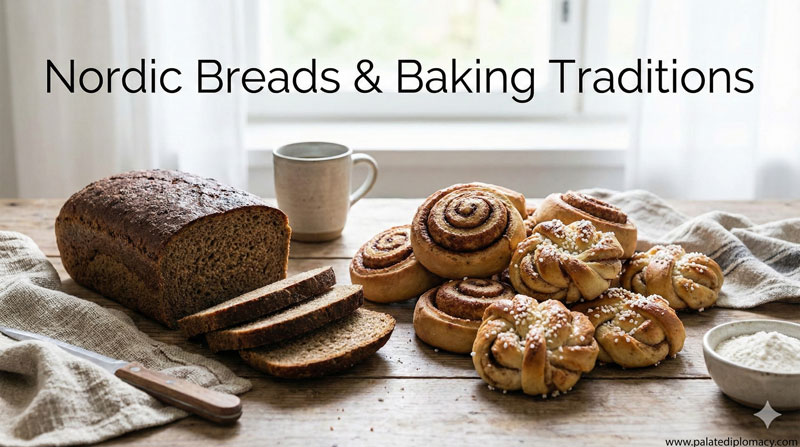
Rye bread holds a cherished place in Nordic kitchens. It brings warmth to meals and a quiet sense of belonging to the table. This bread carries a gentle aroma, a deep crust, and a chewy crumb that invite slow enjoyment. It is more than food; it is a shared ritual that marks daily life and seasonal celebrations. In this post, we explore why rye bread is so loved, focusing on culture, craft, and the beauty of its role in Nordic eating.
The heart of the grain and the craft
Rye flour gives rye bread its character. It offers a distinctive, slightly tangy flavor that pairs with many toppings. The dough often relies on natural fermentation, which builds flavor and a lighter texture over time. This method connects bakers to a long lineage of careful observation and patient pacing. The result is a loaf that speaks softly of patience, season, and land.
Techniques that shape texture and taste
The process matters as much as the ingredients. A slow rise lets the dough develop depth without losing its structure. A well-heated oven and a steady bake bring a crackling crust and a moist interior. Some loaves are baked in traditional pans, others free-form to bloom Like a small mountain. Each technique highlights rye’s resilience and the baker’s precision. This balance of science and art makes rye bread feel both humble and refined.
Regional voices: how Nordic countries honor rye
Across the region, rye bread takes many shapes, each with its own signature. In Denmark, rugbrød is a dense, dark loaf that forms the backbone of open-faced sandwiches. In Sweden, rye blends with seeds and spices to create robust loaves that stand up to hearty toppings. Norway often pairs rye with dark malts and a crisp crust for a satisfying bite. Finland showcases rye with a touch of sweetness or caraway, reflecting a love of comforting flavors. Iceland adds a deeply dark, subtly sweet version often baked slowly to a tender finish. These regional variations reveal how rye bread adapts to local tastes while preserving a common heritage of grain, patience, and shared meals.
Daily life, meals, and social rituals
Rye bread is a daily companion at many Nordic tables. It accompanies simple breakfasts, crunchy with butter and cheese. It supports open-faced lunches that travelers or workers enjoy with warmth and ease. In homes and bakeries, the loaf invites conversation about harvests, recipes, and family favorites. The bread also appears in seasonal gatherings, where its presence signals abundance and hospitality. Such rituals make rye bread not just food but a quiet thread through everyday life.
Flavor companions and serving ideas
The bread shines when paired with a range of Nordic flavors. A slice with smoked fish, creamy cheese, or a dab of liver pâté feels balanced and satisfying. Caraway seeds or a light sprinkle of sesame add a subtle lift without overpowering the rye’s character. Simple toppings like butter, herbs, cucumber, or pickles let the bread stand in the foreground. These pairings show how rye bread can be both sturdy and delicate, serving as a versatile canvas for taste.
A loaf with a sense of place
Rye bread embodies the landscape of the Nordic region. Its dense crumb mirrors the quiet resilience of fields and forests. The aroma evokes winter mornings and fresh bread moments alike. The loaf’s long rise mirrors the patience found in family kitchens and community bakeries. As such, rye bread becomes a living symbol of place, season, and shared care.
Regional textures and baking rituals
In some communities, rye bread is baked in legacy ovens that impart a distinct smokiness or warmth to the crust. In others, modern ovens blend tradition with convenience, keeping the same comforting crunch. The texture can range from dense and compact to open and airy, depending on flour blends, hydration, and time. This diversity invites bakers to explore different textures while holding to a common love for rye. Each loaf carries memory and intention, making every bite meaningful.
Texture, crumb, and sustainability
The crumb of rye bread often carries a moist, tender interior with a tight yet forgiving structure. This quality helps the loaf stay fresh for longer and reduces waste, a practical benefit that families appreciate. The use of rye flour from local mills supports regional producers and a shorter supply chain. In this light, rye bread becomes a thoughtful choice for mindful eating that respects resources and community. The loaf’s longevity helps meals stretch across days, strengthening the habit of sharing.
More than a meal: rye bread in celebrations and everyday life
Rye bread frequently appears at celebrations, family dinners, and quiet weekend mornings. It marks transitions, such as welcoming guests or concluding a meal with simple, comforting bread. The bread’s presence signals hospitality, steadiness, and care. In this way, rye bread sustains a sense of belonging beyond flavor alone. It is a steady companion through the rhythm of Nordic life.
Practical tips to savor rye at home
To enjoy rye bread fully, slice it fresh and toast lightly to wake the aroma. Pair it with a spread that complements its tang, such as butter or a mild cheese. Store it in a cool, dry place to preserve texture and flavor. If you have a little extra, make open-faced sandwiches for a quick, satisfying meal. Practical and delicious, rye bread fits seamlessly into busy days and reflective meals alike.
Conclusion: a beloved symbol of Nordic food culture
Rye bread Stands Out because it blends flavor, technique, and a sense of community. It invites bakers and diners to slow down and savor a well-made loaf. By embracing regional varieties and everyday rituals, we see why this bread remains among the most loved Nordic dishes. It is a reminder that food can be both simple and deeply meaningful, a bridge between harvest and home, table and memory.