
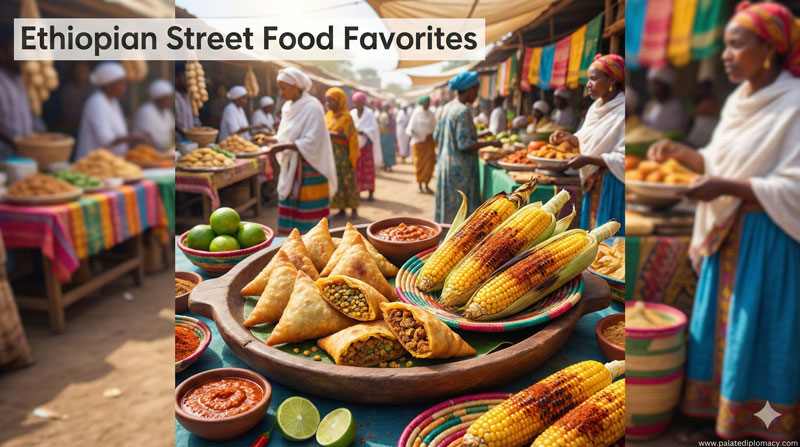
Sambusa is one of Ethiopia’s most loved dishes. It is a small, triangular pastry that stands out for its crisp shell and warm, flavorful filling. Its presence in homes and markets shows how food can carry memory, comfort, and shared joy. This dish invites us to slow down, notice the aroma, and savor the simple act of giving a bite to someone else.
A Symbol of Hospitality
In Ethiopian kitchens, sambusa often arrives as a welcome signal. It gives guests a friendly first impression before the main courses come to the table. The act of offering sambusa communicates care and respect. Families and cooks take pride in the glow of the frying oil and the glossy finish of each parcel. Sharing sambusa makes gatherings feel intimate and generous, a quiet bond that strengthens conversation and warmth.
Craft and Flavor: The Dough and Filling
The dough is a canvas. It is rolled thin, shaped with care, and fried to a crisp, golden edge. Inside, the filling can be meat, lentils, or vegetables—each variation a reflection of what’s available and loved. Common fillings blend onions, garlic, and peppers with a bold spice mix. Berbere and other fragrant seasonings wake the senses, while fresh herbs add brightness. The balance of spice, savory filling, and delicate crunch defines the dish’s character. The result is a harmony of textures: a fragile shell that yields to a savory heart.
Variations Across the Land
Ethiopian sambusa is wonderfully diverse. Some regions favor meat fillings, others celebrate lentils or peas. Vegetarian options shine with chickpeas, potatoes, and spinach. The shape may stay triangular, or take on small, pocket-like forms in markets and homes. Each version tells a Local story of farm produce, seasonal harvests, and family recipes passed down with care. This variety keeps the dish lively while preserving a shared signature—perfectly crisp pastry and a comforting, well-seasoned center.
A Dish for Celebrations
Sambusa accompanies many moments of celebration. It graces tables during festive meals, coffee ceremonies, and tea times with friends and neighbors. In these moments, the dish becomes more than food; it is a small ritual of togetherness. The aroma invites people to linger, chat, and smile. This is where culinary value shines: a simple thing that helps mark a special occasion with grace and warmth.
Techniques, Aroma, and Serving
The kitchen technique matters. Frying at the right temperature creates an even, crisp shell without greasiness. The moment when the sambusa emerges golden and steaming is the moment of reward. Serve with a light dip or chutney, or enjoy on its own to savor the balance of spice and savor. The aroma lingers pleasantly, inviting a second piece and, often, a deeper conversation about flavors and fond memories.
The Modern Plate
Today’s cooks bring small innovations while honoring tradition. Fillings become lighter with legumes and vegetables, or bolder with carefully chosen meats. Some cooks experiment with air frying for a lighter finish, while others keep the classic fried texture as a nod to tradition. In every version, the core idea remains: a shareable, flavorful bite that invites connection and care.
Preserving a Timeless Tradition
Sambusa endures because it is approachable and meaningful. It is easy to share, easy to Make for gatherings, and adaptable to seasons and tastes. The dish celebrates craft, the joy of fragrance, and the delight of a communal bite. By keeping the technique accessible and the fillings varied, families can pass on the love of sambusa for generations.
In the end, sambusa is more than a snack. It is a thread in the fabric of Ethiopian food culture. It speaks of hospitality, family, craft, and joy. Each bite honors the kitchen’s history while inviting new memories at the table.