
Why Suya Is One of Nigeria’s Most Loved Dishes
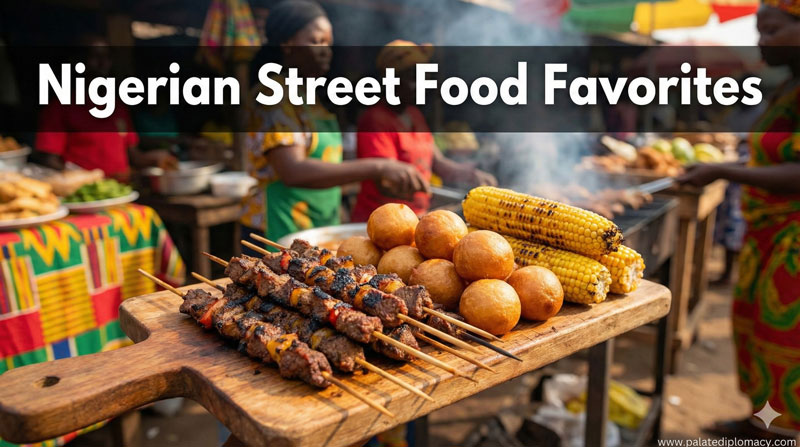
Suya shines in Nigerian kitchens, markets, and street corners. It is a grilled meat treat that speaks of craft, patience, and community. This dish invites people to gather, share, and celebrate good food. Its beauty lies in simple ingredients—meat, spice, heat—combined with care and pride. The culture around suya centers on warmth, hospitality, and the joy of a good aroma drifting through the air.
The Flavor Profile That Defines Suya
The signature is the spice mix, known as yaji, a dry rub that clings to meat before the flame. Ground peanuts add a nutty depth, while peppers deliver a clean, bright heat. Aromatics like ginger and onion mingle softly with salt, creating a balance that is both bold and approachable. The result is a crusty coating, smoky from the charcoal, with juicy meat at the center. Each bite carries a familiar, inviting scent that signals friends and neighbors are near.
The Craft: Skill, Fire, and Rhythm
Suya is as much about technique as taste. Skewers hold the meat steady while cooks brush on a light coating of oil and press in the spice. Then comes the careful turn on a hot, smoky grill. The cook watches for a crust that crackles without drying the meat. Timing matters: too soon and the flavor is underdeveloped; too long and the juices vanish. With experience, a cook becomes an artist, balancing heat, spice intensity, and the perfect char.
A Social Thread: Gathering, Hospitality, and Joy
Suya is a social thread that ties people together. Friends meet after work, families share stories, neighbors greet one another around the grill. Vendors line up with trays of steaming skewers, onions, and fresh tomatoes, creating a lively scene. The act of sharing suya turns a meal into a moment of connection. In this way, the dish transcends taste and becomes a celebration of togetherness.
Regional Variations and Local Pride
Across regions, suya reflects local tastes while keeping a coherent identity. Beef and goat are common, with chicken offered in some places. Some cooks vary the spice blend, adjusting heat or the level of nutty note from peanuts. These small differences celebrate regional pride while preserving the core that makes suya recognizable: a dry rub, a quick, hot grill, and a crust that crackles with every bite.
Serving Traditions and Simple Pairings
Suya is often enjoyed with fresh onions and sliced tomatoes, which brighten the rich meat. Some people dip bites into pepper sauce or squeeze a little lime for a bright finish. Simple accompaniments, Like a warm flatbread or a side of cucumbers, can frame the skewers without overpowering the flavors. The experience centers on savoring the meat first, then the aromatic spice linger.
The Enduring Cultural Value and Culinary Significance
Suya endures because it honors craft and sharing. It teaches patience in preparation, respect for ingredients, and generosity in service. The spice blend carries memories of mentors and family kitchens, passed along through generations. As a result, suya remains a staple that many Nigerians feel deeply connected to—a dish that shines in everyday moments and in celebrations alike.
How to Appreciate Suya: A Simple Guide
- Seek a place where the aroma leads the eye and the grill hums with steady rhythm.
- Notice the dry crust and the way the meat yields to a gentle bite.
- Enjoy with thoughtful accompaniments that brighten the meat’s richness.
- Reflect on the care that went into the rub, the fire, and the shared moment.
Suya is more than food; it is a living expression of Nigerian warmth, skill, and communal joy. Through each skewer, the dish invites us to slow down, taste well, and celebrate the beauty found in everyday cooking.