
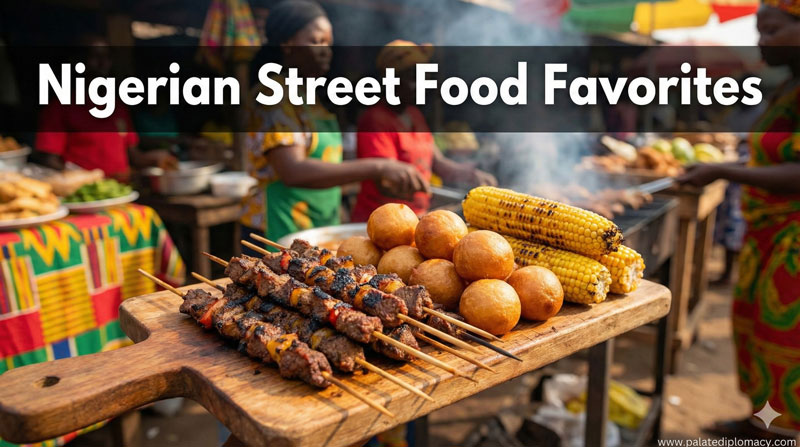
Introduction: Why Suya Captivates Nigerian Tables
Suya is more than a plate of grilled meat. It is a warm invitation to share, to savor, and to celebrate flavor. Across cities and towns in Nigeria, suya owns a corner of the evening ritual. The sizzling sound, the rich aroma, and the bite of a perfectly spiced skewer invite people to pause, smile, and connect. This dish carries cultural value because it blends craft, hospitality, and memory. It also holds culinary significance because its spice, technique, and textures create a distinctive, memorable experience.
The Soul of the Spice: Yaji and the Art of Seasoning
The flavor of suya comes from a spice mix called yaji. The mix is a dance of ground peanuts, chili peppers, and a blend of aromatic spices. Ginger, garlic, and onions add depth, while sesame seeds or additional seeds may accent the crust. Each vendor may have a preferred touch, but all share a common goal: a bold, nutty, peppery note that wakes the senses. The peanut coating not only tastes rich; it also helps form a crisp crust when the meat hits the grill. The spice is a language spoken through aroma and taste, passed from seasoned hands to eager palates. This transfer of knowledge—recipe, technique, and timing—creates a living tradition that stays fresh in every generation.
The Craft of Fire: Grilling, Texture, and Aroma
Grilling is at The Heart of suya’s character. Meat is coated with the yaji, skewered, and slowly roasted over charcoal. The heat renders fat and seals in juices, producing a tender interior and a smoky exterior. The crust forms as the spices cling to the meat and crackle under the flame. The scent is unmistakable: roasted meat, peanuts, peppers, and smoke mingle in the air. Each bite delivers a balance of heat, savor, and nuttiness. The texture shifts—from a crisp edge to a juicy center—creating a satisfying contrast that keeps people reaching for another skewer.
Social Threads: Suya in Markets, Streets, and Gatherings
In Nigerian life, suya often travels through markets and street corners. Vendors set up by dusk, chalking their stalls with bright signs and inviting voices. Families, friends, and neighbors gather, sampling bites and sharing stories. Suya becomes a focal point for social connection: a prelude to a conversation, a post-work treat, or a celebration snack. The act of choosing a skewer, paying, and waiting for a fresh batch invites a rhythm of communal experience. Food becomes a bridge for conversation, laughter, and easy camaraderie. This social role reinforces the dish’s place in daily life and special moments alike.
A Cultural Palette: Heritage, Hospitality, and Adaptation
Suya embodies Nigerian hospitality in its most generous form. Hosts present a plate and offer a taste to guests as a sign of welcome. The dish also reflects regional creativity. While the core is meat with a peanut-spice coat, cooks adapt with different meats, heat levels, and accompaniments. Some prefer goat, others beef or chicken; some favor a salty finish, others a touch more sweetness in the spice. Over time, new variations appear in kitchens and small eateries, enriching the tradition without losing its essence. This blend of continuity and change keeps suya vibrant and relevant in a modern food culture.
Craft and Craftsmanship: Grinding, Skill, and Timing
The mastery behind suya lies in more than the recipe. Grinding the spice, selecting fresh meat, and judging the grill’s heat require practiced hands. Vendors learn through years of making and tasting. The rhythm of turning skewers, adjusting fire, and checking for the perfect crust becomes second nature. The result is consistent quality that travelers and locals alike recognize. This craftsmanship elevates suya from a snack to a cherished culinary skill passed along with pride.
Serving Traditions: Accompaniments and the Full Experience
Suya is rarely served in isolation. Slices of onion, fresh tomatoes, and cucumber are common accompaniments that balance the spice and richness. A squeeze of lime or a dab of pepper sauce can brighten the palate. Some enjoy suya with a simple starch, Like a fluffy accompaniment or a small flatbread, while others prefer to savor it with a cool drink. The way it is presented—neat skewers laid out on a tray, ready to share—adds to the sense of hospitality and ritual. This thoughtful presentation reinforces the dish’s role as a social centerpiece.
A Shared Flavor Across Regions: Unity in Diversity
Though suya’s heart remains the same, its expression travels across Nigeria. Different regions may emphasize slight spice notes or meat choices, yet the core experience stays constant: a communal, flavorful moment that brings people together. This universal appeal highlights how food can bridge details of place with a shared sense of enjoyment. Suya’s popularity is a tribute to simple, honest ingredients, careful preparation, and a generous spirit.
Conclusion: Suya as a Living Celebration of Food and Community
Suya stands as one of Nigeria’s most loved dishes because it invites flavor, warmth, and connection. Its cultural value lies in the care given to the spice mix, the skill of the cook, and the moment of shared tasting. Its culinary significance comes from the balance of textures, the smoky aroma, and the satisfying bite that lingers on the palate. Whether enjoyed at a busy market stall or a quiet backyard gathering, suya offers a welcome, heartfelt experience. It is a dish that invites participation, respect for craft, and a sense of belonging in the rich tapestry of Nigerian food culture.