
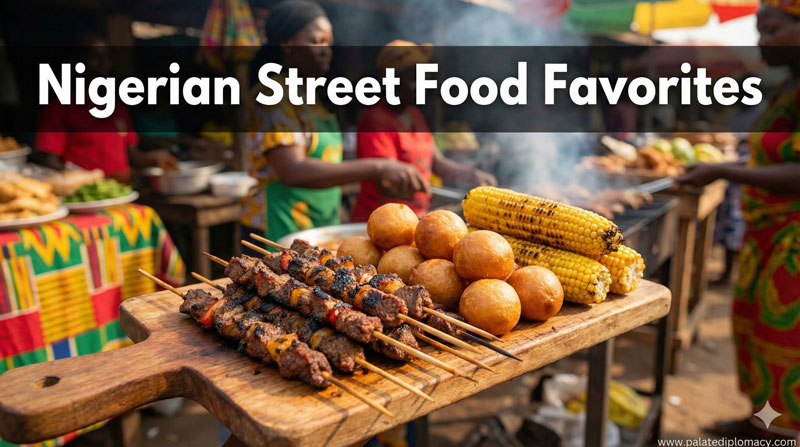
Why Suya Is One of Nigeria’s Most Loved Dishes
Suya holds a bright, inviting place in Nigerian Food Culture. It sits at the crossroads of flavor, technique, and shared moments. The dish is simple in form—skewered meat roasted over charcoal—but its presence carries a rich sense of belonging. This post explores the cultural value and culinary significance of suya, highlighting why it remains a cherished staple in many Nigerian communities.
The Craft: Meat, Spice, and Roast
At its core, suya is a meat skewer. The meat choice varies—beef, goat, or chicken are common—but the method stays similar: trim the meat, skewer it, and coat it with a fragrant spice paste. The paste is often built around roasted ground peanuts, which form a nutty crust as the meat cooks. The paste also includes a blend of ground peppers, garlic, ginger, and other aromatics. Each bite delivers a balance of smoky char, peppery heat, and a gentle, roasted nuttiness from the peanut dust.
Grilling over charcoal marks every suya with a distinctive flavor. The flames kiss the exterior, creating a crisp surface that locks in juices. The process rewards patience and care: a steady flame, careful turning, and attention to how the spice adheres to the meat. The result is a skewer that offers a lively contrast—tender inside, crisp outside, with a bold, clean finish that lingers pleasantly.
The Yaji Spice: A Signature Aroma
A hallmark of suya is the yaji spice blend. This mix, often circulated and shared among cooks, gives suya its characteristic aroma and heat. It typically emphasizes peppery heat, a hint of sweetness, and a toasty depth from peanuts. The peanut element is more than a coating; it provides texture and a nutty fragrance that becomes a sensory marker of the dish. Every region and street vendor may adjust the blend slightly, but the core idea remains the same: a crackling, flavorful crust that enhances the meat without overpowering it.
A Social Dish: Sharing, Laughs, and Community
Suya thrives as a social food. Vendors set up at markets, roadside stalls, and street corners, inviting passersby to pause, talk, and share. People gather around a plate of skewers, often accompanied by slices of onion, tomatoes, cucumber, and perhaps a tangy pepper sauce. The act of buying, waiting for the meat to cook, and then passing skewers to friends and family creates a moment of connection. Suya is not just about eating; it is about spending time together, exchanging stories, and celebrating a simple, well-made dish.
In many communities, suya becomes a centerpiece for casual evenings, weekend outings, or late-night cravings. It travels easily from stall to home, inviting conversations about flavors, best cooking practices, and family favorites. This social function is as strong as the flavor itself, and it helps explain why suya remains a beloved part of everyday life as well as special occasions.
Regional Voices: Variations Across Nigeria
Nigeria’s diverse culinary landscape shines in suya. Different towns and ethnic groups bring subtle twists to the spice mix, cooking method, and accompaniments. In some places, the spice blends lean hotter and brighter, while in others the nutty crust and pepper notes take a more restrained role. The meat choices can reflect local preferences and available traditions, from lean cuts to more marbled pieces. Yet across regions, the core appeal stays the same: a well-spiced, charcoal-roasted skewer that invites communal tasting and repeated bites.
Other regional touches appear in the sides and presentation. Some enjoy extra slices of onion and fresh tomatoes on the side for that crisp, refreshing bite between bites of hot suya. Others may pair suya with a light portion of boiled yam or plantain, turning a quick street snack into a fuller, shareable meal. The flexibility of serving styles only deepens suya’s role in Nigerian food culture, demonstrating how a single dish can adapt while retaining its spirit.
The Experience: Aroma, Texture, and Taste
The sensory experience of suya is central to its appeal. The aroma is warm and inviting—a promise of flame-kissed caramelization and smoky depth. The texture offers contrast: a delicate snap from the crisp outer crust, followed by tender meat inside. The taste blends heat with a savory, nutty core, then finishes with a clean aftertaste that invites the next bite. This balance—aroma, texture, and flavor—makes each serving memorable and encourages lingering chats and second helpings.
Suya also invites curiosity. Even first-timers can appreciate the careful craft: watching the skewers turn slowly, noticing the moment when the spice crust forms a glossy edge, sampling a small bite to gauge the heat, and recognizing how the spice lingers without overwhelming the meat. The learning curve is gentle, and the reward is immediate: a high-contrast flavor that showcases fire, peanuts, and peppers in harmonious balance.
Enjoying Suya at Home: Tips for a Delighted Table
If you want to bring suya into home cooking, start with a good spice blend and fresh meat. Use a coarse peanut-based coating, and aim for a thin, even layer that sticks well to the meat. Let the meat marinate briefly to allow flavors to settle, then grill over moderate-to-high heat to achieve a crisp exterior without drying the interior. Keep turning to ensure even cooking and a uniform crust.
Pair suya with light accompaniments that refresh the palate, like fresh onions, sliced cucumbers, and tomatoes. A pepper sauce or a mild chutney can offer a contrasting tang. Serve with a simple starch, such as flatbread, yams, or plantains, to create a balanced plate that invites shared bites. The result is a comforting, satisfying meal that honors tradition while inviting personal touches.
A Lasting Place in Nigerian Food Culture
Suya stands as a vibrant thread in the fabric of Nigerian dining. Its appeal comes from more than flavor alone; it embodies craft, hospitality, and the joy of gathering around a shared meal. The dish invites cooks to honor technique and neighbors to enjoy a humble skewer that shines through careful work and communal spirit. In everyday moments and festive occasions alike, suya adds warmth, aroma, and a sense of togetherness that many people cherish.
If you haven’t yet explored suya, consider this invitation: slow-roast over charcoal, savor the nutty crust, notice the spice’s glow, and share a moment with friends or family. In doing so, you participate in a delicious tradition that celebrates skill, consistency, and the joy of good company. Suya may be a simple skewered bite, but its cultural value and culinary significance illuminate a larger, welcoming picture of Nigerian food culture.