
Why Suya Is One of Nigeria’s Most Loved Dishes
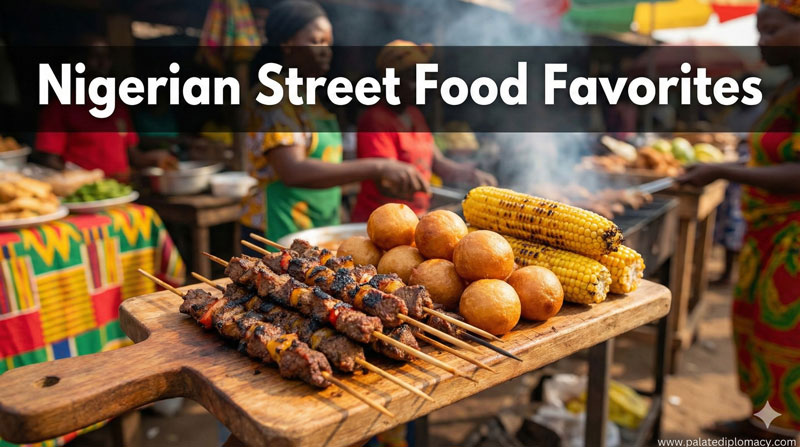
Suya holds a special place in Nigeria’s culinary heart. It is more than grilled meat; it is a celebration of fire, spice, and community. The star is lean meat—beef, goat, or chicken—skewered and coated in a dry, fragrant blend. The blend, often called yaji, blends ground peanuts with chili, ginger, garlic, onions, and salt. The meat rests briefly in the spice, then meets a hot charcoal flame. The result is a crisp, peppery crust and a juicy interior. The aroma travels far, inviting neighbors to share in the moment. Suya is lively, bold, and approachable, yet each bite carries layers of careful preparation. It invites smiles, conversations, and a deeper sense of belonging around a shared flame.
At markets, street corners, and home gatherings, suya becomes a focal point. People savor it with friends and family, exchanging greetings as the skewers turn slowly over embers. The dish communicates hospitality without words: a simple offering that welcomes guests to stay a while. In every bite, you sense centuries of practice—how cooks test spice balance, how vendors adjust heat to suit the crowd, how the nuts add a nutty sweetness to the peppery heat. Suya is vibrant and generous, a dish that invites participation and shared enjoyment.
The Craft: Marinade, Spices, and Technique
The craft begins with the spice mix. Yaji is a dry rub built on roasted peanut powder, chili peppers, and a chorus of aromatics such as ginger and garlic. Onions contribute a bright punch, while salt rounds the flavors. Chefs and home cooks add their own touches, creating a signature aroma that marks a trusted suya stall or kitchen. Next comes the marinating moment. The meat rests so the coating clings and penetrates just enough to lift the natural juices. Then comes skewering and charcoal grilling. Over the fire, the meat sizzles and oils mingle with spices, forming a crust that crackles when bitten. Finally, the meat is served hot, often with rings of onion, slices of tomato, and a dash of extra yaji for those who crave more heat. The technique blends patience with flame, smoke with scent, and crust with tenderness. This balance is The Heart of suya’s appeal.
The technique travels through families and communities. Cooks teach apprentices how to shear meat evenly, how to rotate skewers for even charring, and how to control the heat to avoid scorching. The result is consistency—crisp edges, juicy centers, and a memorable texture that invites another bite. The process respects local ingredients and traditional methods, while allowing small adjustments for individual taste. In this way, the craft remains alive and evolving, yet firmly rooted in a celebrated ritual.
A Social Icon: Hospitality and Gatherings
Suya shines most brightly in social settings. It appears at market days, street corners, and family gatherings as a shared pleasure. The act of offering suya to guests communicates care and generosity. People assemble in circles, passing skewers and exchanging stories as the meat cooks. The aroma acts as a social beacon, drawing friends and neighbors together. In many communities, suya is a dish that transcends age and background, inviting everyone to take part and feel welcome.
Sharing suya strengthens bonds. It becomes a reason to linger after a meal, to test spice tolerance, and to celebrate a win, a birthday, or a simple sunny afternoon. Vendors fine-tune their recipes to please regulars while welcoming new tasters. The social value of suya rests in its ability to create a moment of connection—one skewer at a time. This is why so many Nigerians regard suya as a beloved staple: it turns cooking into a communal experience and sustains a tradition of warm hospitality.
Regional Variations and Modern Twists
Different regions bring subtle twists to the suya tradition. Some areas favor beef for their robust bite, while others celebrate goat’s distinct flavor. The heat level can vary, from bright and brisk to deeply smoky and intense. Some cooks adjust the peanut content or add sesame seeds for extra nuttiness, while others emphasize a purer chili kick. Modern twists appear in the form of accessible shortcuts, such as pre-ground spices or ready-made yaji blends, which still honor the core technique of dry rubbing and charcoal grilling.
Even with modern twists, the essence remains clear: suya is about balance—fat and fiber, spice and smoke, crust and tenderness. The dish adapts to urban kitchens and bustling street stalls alike, while keeping its roots intact. This adaptability helps explain why suya continues to thrive as a favorite across generations and locales. It proves that tradition can be both respectful and lively, continually inviting new tastes without losing its soul.
The Scent and Sensation: Eating Suya
Eating suya is a sensory invitation. The scent of roasting meat, toasted peanut, and hot peppers fills the air. The first bite delivers a crisp, nutty crust that gives way to a tender center. Smokiness lingers on the palate, and a gentle heat wakes the taste buds without overpowering them. The accompanying onions and tomatoes provide freshness, balancing the richness of the meat. For many, the experience is not just about flavor; it is about a moment of shared pleasure and easy conversation, a pause in daily life to enjoy good food together.
Pairings are simple and comforting. A cool drink or a glass of water cleanses the palate between bites. Fresh vegetables offer a crisp counterpoint, while a light sauce on the side can add brightness. The joy of suya lies in its simplicity and social warmth. Each skewer serves as a reminder of how food can unite people around a flame, a table, and a story.
Preserving a Timeless Craft and Community
Preservation matters in suya. Cooks continue to teach the craft to younger generations, ensuring the spice blend and grilling technique endure. Respect for the ingredients, careful attention to heat, and mindful sharing keep the tradition vibrant. The dish invites experimentation, yet it rewards those who honor its core elements: a dry spice rub, even charring, and a generous spirit of hospitality.
As you explore suya, you join a community that values flavor, craft, and connection. By supporting local vendors and appreciating the skill behind each skewer, you help keep this Beloved Dish thriving for future diners. Suya remains One of Nigeria’s most loved dishes because it merges bold taste with a welcoming, communal experience—true to its roots and inviting to everyone who tastes it.