
Introduction
Why travelers are falling in love with curry goat is a story told through scent, texture, and shared tables. This dish opens a doorway to a kitchen where careful technique meets bold, comforting flavor. It invites newcomers to slow down, observe the simmer, and welcome a pot that gathers friends and family around the table. In every bite, curry goat reveals a cultural value built on warmth, hospitality, and the joy of a well-made meal.
A Symphony of Spices: The Flavor Profile
The magic begins with a fragrant blend of spices that bloom as they heat. A well-balanced curry offers depth, brightness, and a gentle heat that lingers pleasantly. In many versions, curry powder or a freshly prepared paste provides the backbone, while aromatics like onions, garlic, and ginger layer in sweetness and bite. Thyme adds a herbaceous lift, and pimento (allspice) lends a warm, resinous note that feelers through the stew.
Goat meat is prized for its distinct, slightly gamey flavor and lean texture. When braised slowly, the meat becomes tender and juicy, absorbing spices without losing character. A touch of Coconut Milk can lend velvety richness, while tomatoes or stock help create a lush sauce that clings to rice, roti, or dumplings. The final seasoning balances heat with savor, allowing the meat’s natural character to shine.
Travelers notice the aroma first. A simmering pot releases a cascade of scents—spiced warmth, herbaceous notes, and a hint of citrus from fresh lime or zest. This perfume draws people in and prepares the palate for a dish that feels both hearty and comforting. The result is a sauce that coats each piece of meat and holds its own against starches and side dishes.
The Craft of Cooking: Techniques that Tell a Story
Curry goat is a dish of technique as much as of taste. The process typically unfolds in stages, each building toward a cohesive, satisfying result.
First, meat preparation matters. Vendors and home cooks alike trim and season the meat, sometimes marinating briefly to help tenderize and deepen flavor. Next, browning the meat develops a subtle crust and rich color, which adds depth to the final sauce.
Then comes the simmer. The meat braises slowly, either on a stovetop or in a sturdy pot. During this stage, the cook watches for balance: enough liquid to keep the meat moist, enough time for the spices to soften, and just the right moment to fold in herbs and, if desired, coconut milk. A gentle simmer prevents toughening and lets flavors mingle.
Finally, finishing touches—fresh herbs, a squeeze of lime, a few chopped scallions, or a pinch of heat from peppers—brighten the dish just before serving. The method emphasizes patience and presence, two qualities travelers often appreciate when they taste a dish that has earned its tenderness through careful attention.
Culture of Sharing: The Social Value of Curry Goat
Curry goat is more than sustenance; it is a centerpiece for consented gatherings and shared meals. The pot becomes a gathering point where stories travel as freely as steam from the surface. Families, friends, and neighbors come together to eat, converse, and celebrate togetherness. In markets and homes, the dish signals hospitality and a welcome to the table.
This dish also showcases the generosity of seasonality and local abundance. When fresh herbs are in season, they lift the stew with bright notes. When peppers are at their peak, they provide a memorable kick. The practice of cooking in large quantities, then sharing, speaks to a culture of warmth, reciprocity, and community. Travelers learn to listen for the clatter of pots, the soft chatter around the table, and the quick, appreciative nods when a bite lands perfectly.
Regional Notes: Variations Across the Caribbean
Curry goat travels well, and each region adds its own voice to the melody. In Jamaica, the dish commonly thrives with a bold spice profile and hearty sauce that pairs beautifully with rice and peas or hard-dough roti. The pepper heat tends to be well-balanced with savory notes from thyme and allspice, creating a comforting, robust experience.
In other Caribbean locales, cooks may adjust the balance toward a slightly sweeter profile or a more coconut-forward finish. Some versions emphasize a brighter acidity with a splash of lime, while others lean into a deeper, earthier aroma from roasted spices. The method of cooking—whether in a heavy pot, a clay vessel, or a modern slow-cooker—also shapes the texture of the finished dish. Across these variations, the essence remains the same: a slow-braised, deeply flavorful curry that honors the meat and the spices together.
Travelers’ Taste: Why It Captures Curious Palates
Travelers often report that curry goat feels Like a bridge between familiar comfort and adventurous discovery. The dish invites tasting intuition: notice the way the meat falls away, the way the sauce clings to rice, and the afterglow of spice on the tongue. It offers a sense of place without demanding explanation, allowing newcomers to experience a moment of cultural texture through food.
This is a dish you can savor in a market stall, a family kitchen, or a polished restaurant. In each setting, the dish carries a story of craft, time, and the joy of sharing a well-made meal. For many travelers, curry goat becomes a memorable chapter in their culinary journey, inviting them to return and explore more about the cuisine that nurtures it.
Pairings and Presentations: How It Shines at the Table
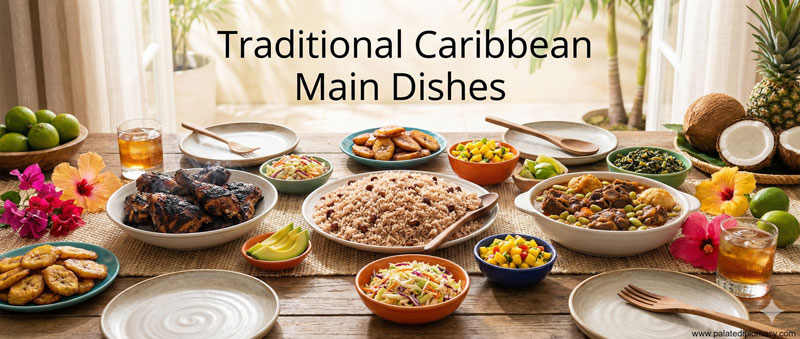
Curry goat pairs beautifully with foods that provide balance and contrast. Rice and peas or plain steamed rice gives a gentle bed that catches the sauce. Roti or fry bread invites a hands-on, communal experience—perfect for travelers exploring street Food Culture. Side dishes like fried plantains, cabbage slaw, or a simple fresh salad add brightness and texture to the plate.
A squeeze of lime or a dash of chopped herbs can lift the sauce’s fragrance, while a chilled drink or a light beer offers refreshing contrast to the spices. This versatility makes curry goat adaptable from casual meals to more formal gatherings, reinforcing its role as a unifier on the table.
Conclusion
Curry goat stands out for its cultural value and culinary significance. It is a testament to careful technique, harmonious spice blending, and the joy of sharing a nourishing pot with others. For travelers, the dish opens a window into a lively kitchen tradition, inviting people to savor both flavor and community. As a result, curry goat has earned its place as a beloved favorite—one pot, many voices, and a lasting memory of warmth, taste, and connection.